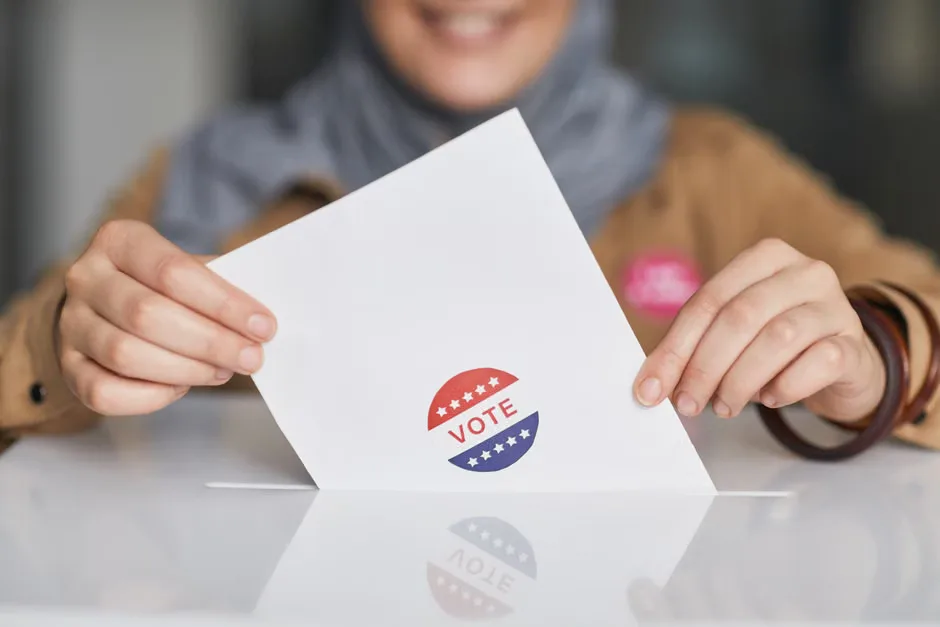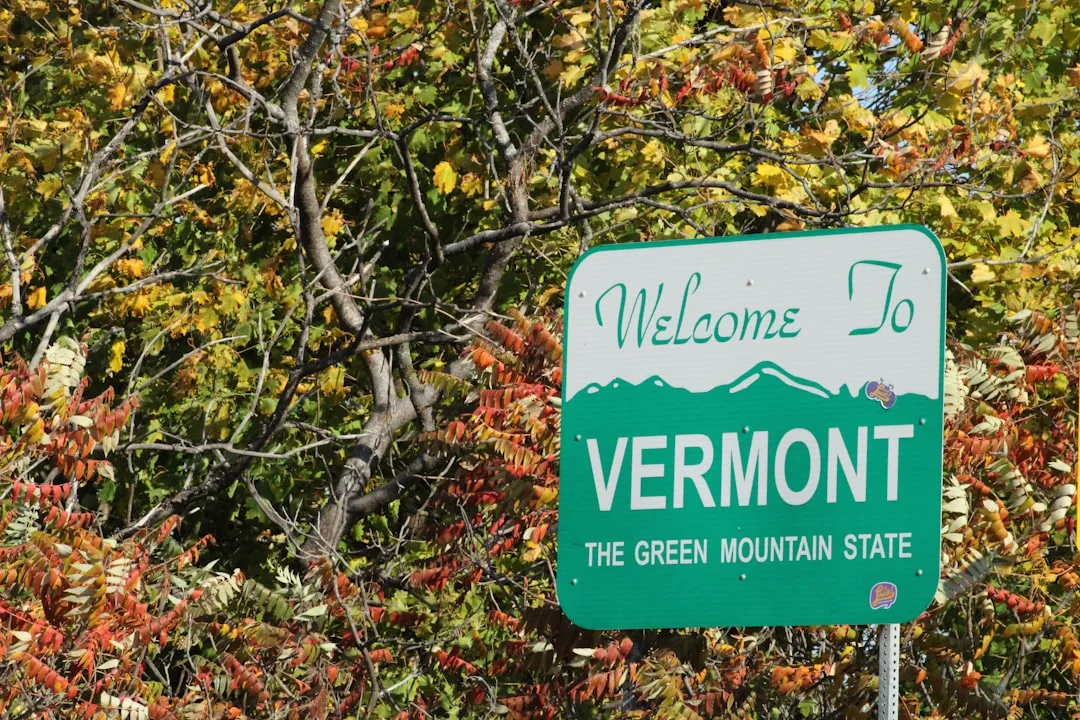
The Vermont primary election scheduled for August 13 will determine nominees for key state and local offices whose decisions will directly impact education policy across central Vermont. Voters in Washington, Orange, and Lamoille counties will select candidates who will shape school budgets, curriculum standards, and property tax policies affecting dozens of school districts.
Education funding remains a central issue, with the state facing ongoing challenges related to Act 60 equity funding formulas and rising per-pupil costs. According to the Vermont Agency of Education, average per-pupil spending reached $22,156 in the 2022-2023 school year, representing a 6.8% increase from the previous year and placing pressure on local property taxes.
The outcome of this primary will set the tone for education policy in Montpelier for the next two years, said Sarah Jenkins, professor of public policy at Vermont State University. Candidates' positions on balancing state mandates with local control will determine whether we see continued centralization of curriculum decisions or a return to greater local autonomy.
Several candidates have advocated for revising the state's education funding formula to better account for rural district challenges, including declining enrollment and higher transportation costs. Others emphasize maintaining current equity measures while seeking efficiency gains through shared services and regional collaboration models that have shown promise in supervisory unions across the state.
Curriculum debates have also intensified, particularly around history education, gender identity instruction, and vocational training pathways. The State Board of Education recently adopted updated standards for social studies and health education, prompting local discussions about implementation timelines and parental opt-out provisions that candidates have addressed in varying ways.
Impact on Local School Governance
Beyond statewide policy, the primary will influence local school board elections and supervisory union leadership appointments. Many candidates for state legislature also serve on or advise local school boards, creating direct connections between campaign positions and classroom-level decisions about staffing, program offerings, and facility investments.
The election coincides with ongoing negotiations between the Vermont National Education Association and school districts over collective bargaining agreements, with several candidates positioning themselves as either supportive of union priorities or advocating for greater management flexibility in staffing decisions.
Looking ahead, the general election in November will finalize education policymakers who will face immediate decisions on the FY 2026 education budget, implementation of recent literacy initiatives, and responses to declining enrollment projections that could affect school consolidation discussions in several central Vermont communities.
Key questions
- How does the Vermont primary election affect local school funding?
- The primary determines candidates who will vote on state education budgets and funding formulas that directly impact local property taxes and school district revenues. Elected officials influence how state education funds are distributed among districts through the Act 60 framework and subsequent equity legislation.
- What education-related issues are central to candidates in this Vermont primary?
- Key issues include revising the state education funding formula to address rural district challenges, implementing updated curriculum standards for social studies and health education, balancing state mandates with local school control, and addressing teacher contract negotiations and staffing shortages affecting central Vermont schools.