Across the United States, a growing number of local officials who expressed doubts about the 2020 presidential election results now hold positions that directly influence how elections are administered. These roles include county clerks, election supervisors, and members of state and local election boards, many of whom were appointed or elected in recent cycles. Their presence in these positions has drawn attention from voting rights advocates and election security experts who warn that such officials may impede fair access to the ballot.
According to a recent analysis by the Brennan Center for Justice, over 200 individuals who have publicly questioned the 2020 election outcome currently serve in election-related capacities in 27 states. This includes individuals who have signed letters supporting false claims of widespread fraud or who have promoted conspiracy theories about voting machines. The concentration of these officials is particularly notable in swing states where narrow margins could determine national outcomes.
We are seeing a pattern where individuals who reject established election results are being placed in positions of authority over the very process they distrust, said Myrna Pérez, director of the Brennan Center’s Democracy Program. This creates a conflict of interest that undermines public confidence and could lead to real-world barriers for voters, especially in communities of color.
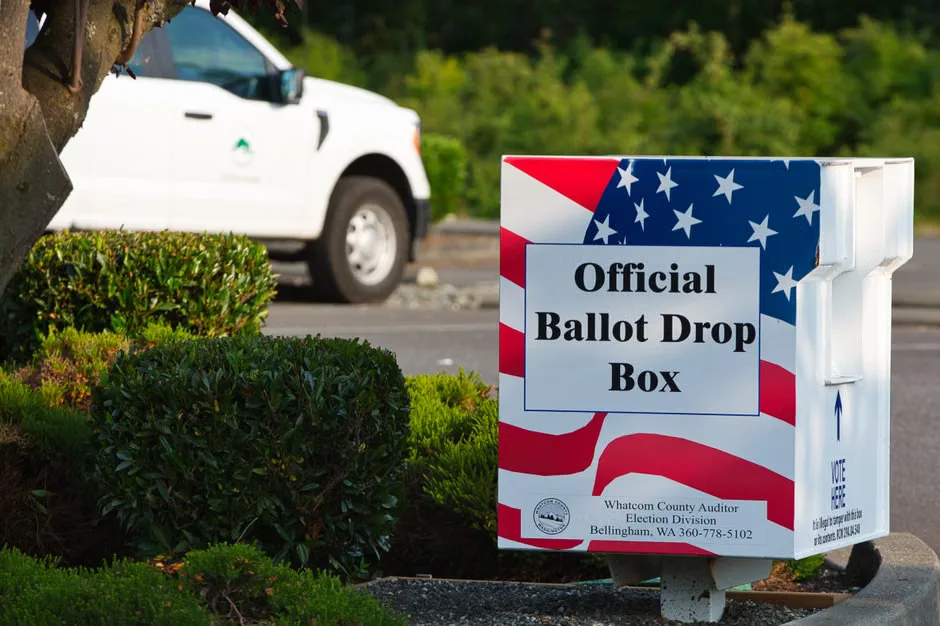
The implications extend beyond symbolic concern. In several counties, these officials have advocated for reducing early voting days, limiting ballot drop boxes, or implementing stricter voter ID laws that critics argue disproportionately affect marginalized populations. While some deny intending to suppress votes, their actions align with efforts that have been shown to reduce turnout among Democratic-leaning demographics.
Looking ahead, the influence of these officials could shape not only how votes are cast and counted in 2024 but also how future elections are perceived. If certification processes are delayed or contested based on unsubstantiated claims, it could fuel further unrest and legal challenges. State legislatures in some areas are considering laws that would limit the authority of local election officials, while others are pushing for greater transparency and training requirements.
Despite the controversy, many of these officials maintain that their actions are motivated by a desire to ensure election integrity. They argue that scrutinizing voting procedures is a legitimate part of oversight, not an attempt to overturn results. However, experts emphasize that repeated audits and court rulings have found no evidence of fraud sufficient to change the outcome of the 2020 election, and that ongoing claims without evidence erode trust in democratic institutions.
Election Deniers in Local Government
The trend reflects a broader shift in how election denialism has moved from the fringes to positions of institutional influence. While national figures who promoted election fraud claims have faced legal consequences or platform bans, local actors have often operated with less scrutiny. This allows them to entrench themselves in bureaucratic roles where they can affect policy over multiple election cycles.
Election security advocates stress that safeguarding democracy requires not only securing voting systems but also ensuring that those who administer elections are committed to upholding the rule of law, regardless of personal beliefs. They recommend stronger state-level oversight, mandatory bipartisan training, and public reporting requirements for election officials to help maintain accountability and public trust as the nation approaches another pivotal election year.
Key questions
- What does it mean for an official to be an 'election denier'?
- An election denier is someone who publicly claims that the 2020 presidential election was fraudulent or illegitimate despite overwhelming evidence to the contrary, including multiple audits, court rulings, and bipartisan investigations that found no proof of widespread fraud.
- How can local election officials affect the outcome of an election?
- Local officials oversee voter registration, polling place operations, ballot counting, and certification of results. Their decisions can influence access to voting, the timing of result reporting, and whether challenges to election outcomes are pursued, even if based on unverified claims.