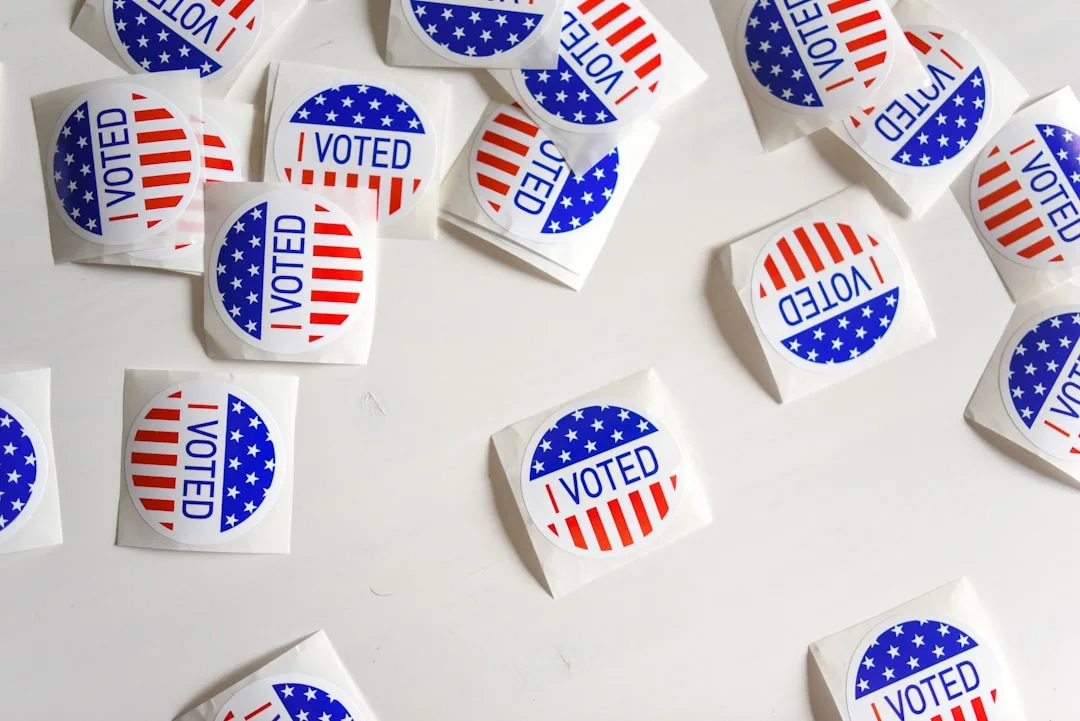
The relationship between federal and state governments over election administration is becoming increasingly strained as states implement new voting laws and federal agencies increase scrutiny, raising concerns among voters and election officials ahead of the 2024 midterm elections.
According to the Brennan Center for Justice, over 200 bills restricting voting access have been introduced in state legislatures this year, with nearly half advancing in key battleground states, intensifying the debate over who controls election rules.
We are seeing a fundamental disagreement about the balance of power in election oversight, said Wendy Weiser, director of the Democracy Program at the Brennan Center for Justice. States argue they have constitutional authority, while the federal government insists on protecting voting rights under federal law.
This tension has led to a surge in litigation, with the Department of Justice filing lawsuits against states like Texas and Georgia over redistricting and voter ID laws, claiming they violate the Voting Rights Act. In response, state officials accuse the federal government of overreach and undermining state sovereignty.
Election administrators report practical challenges, including confusion over compliance, delayed training, and last-minute changes that could affect ballot access and vote counting. Local officials in Arizona and Wisconsin have warned that conflicting guidance increases the risk of errors and undermines public confidence.
Despite the friction, both sides agree on the need for secure, accessible elections. Federal agencies continue to offer grants and technical support, while states maintain that tailored approaches are necessary to address local concerns about fraud and accessibility.
Federal-State Election Tensions
The evolving legal landscape reflects broader partisan divides, with Republicans generally supporting state-led election reforms and Democrats advocating for federal standards to ensure uniformity. As court cases proceed, the outcomes could reshape the framework of American election administration for years to come.
Looking ahead, voters are likely to encounter a patchwork of rules depending on their state, from mail-in ballot deadlines to voter identification requirements. Experts urge election offices to communicate changes clearly and early to minimize disruption and preserve trust in the electoral process.
Key questions
- Why are federal and state governments in conflict over election laws?
- The conflict arises because states assert constitutional authority to regulate elections, while the federal government enforces federal laws like the Voting Rights Act to prevent discrimination and ensure voting access. Disputes over voter ID, redistricting, and mail-in ballots have led to legal challenges as each level of government defends its role in election oversight.
- How might these tensions affect voters in the 2024 midterms?
- Voters may face different rules depending on their state, including variations in voter ID requirements, mail-in ballot deadlines, and polling place availability. This patchwork of laws could cause confusion, especially for those who move between states or vote absentee, making clear communication from election officials essential.