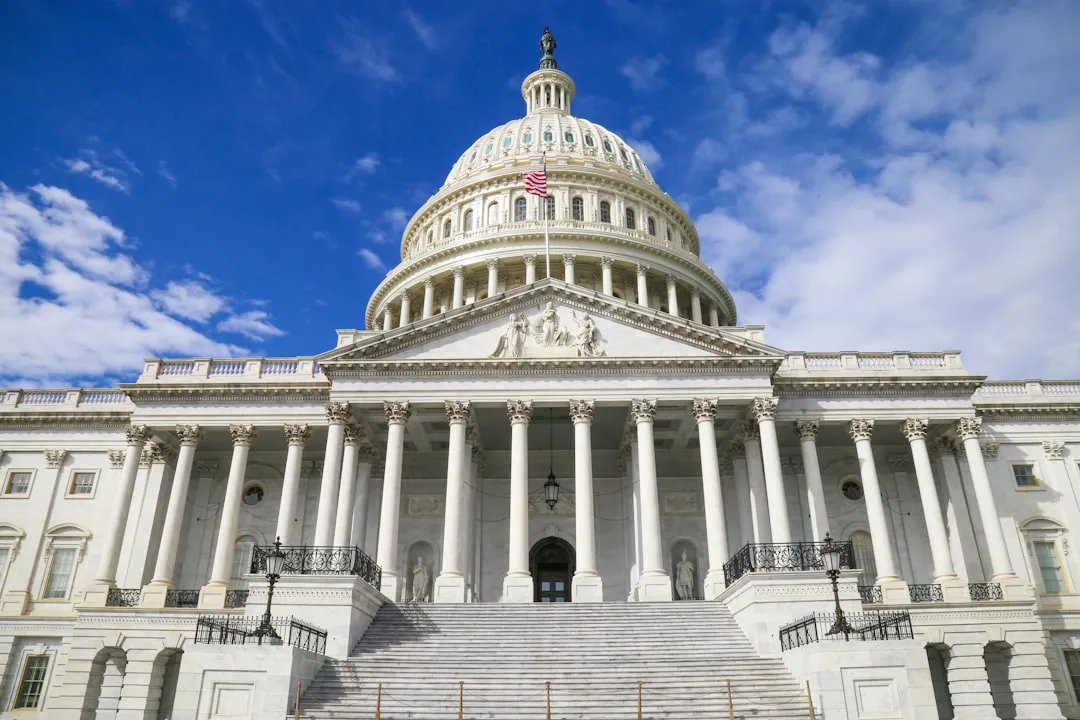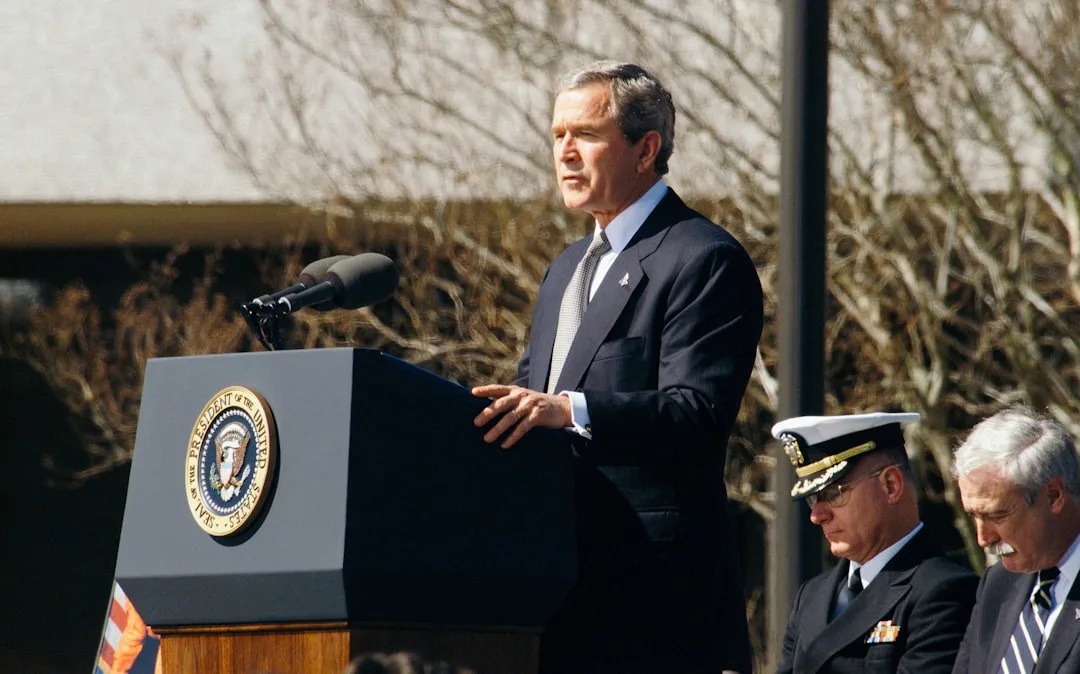
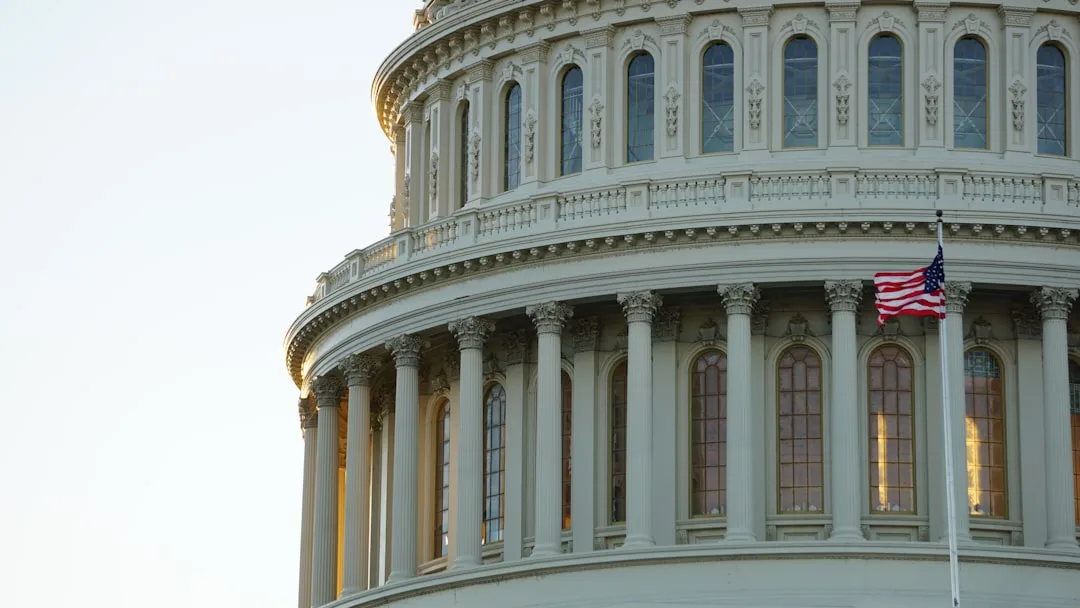
The Senate approved a temporary funding bill on Thursday to prevent a partial government shutdown as the nation approaches the November general election. The continuing resolution, passed by a vote of 78-22, will keep federal agencies operational through December 20, 2024, averting a lapse in appropriations that could have disrupted services nationwide.
According to the Congressional Budget Office, the measure extends current spending levels at an annualized rate of approximately $1.6 trillion, matching fiscal year 2024 levels. It includes $20 billion in disaster relief for states affected by recent hurricanes and wildfires, along with $3.7 billion in agricultural assistance for farmers impacted by drought and market fluctuations.
Senate Majority Leader Chuck Schumer (D-NY) stated, This bill ensures that government services continue uninterrupted during a critical period, protecting Americans from the chaos of a shutdown while we work toward a long-term budget agreement.
The legislation faced initial resistance from some Republicans who sought to attach policy riders related to border security and abortion funding. However, after negotiations, those provisions were removed to secure bipartisan support, allowing the bill to advance under a streamlined process that avoided a filibuster.
Senate Minority Leader Mitch McConnell (R-KY) acknowledged the compromise, saying, While not ideal, preventing a shutdown was the responsible choice given the proximity to the election and the need to deliver disaster aid to communities in crisis. The House is expected to take up the bill next week, where it is anticipated to pass with similar bipartisan backing.
Government shutdowns have become increasingly frequent in recent years, with three occurring since 2013. Each episode has resulted in furloughed workers, delayed payments to contractors, and disrupted services ranging from national park access to food safety inspections. Economists estimate that even a short shutdown can reduce quarterly GDP growth by 0.1 to 0.2 percentage points.
Funding Bill Aims to Ensure Stability Through Election Period
The temporary measure reflects a recurring pattern in Congress of using continuing resolutions to avoid shutdowns when partisan disagreements prevent timely passage of annual appropriations bills. By extending current funding levels, lawmakers buy time to negotiate a full-year budget, though such agreements often remain elusive until the last minute.
Looking ahead, congressional leaders aim to negotiate a comprehensive spending package during the lame-duck session after the election. Success will depend on election outcomes and the willingness of both parties to compromise on contentious issues, including defense spending, healthcare, and climate initiatives.
Key questions
- What is a continuing resolution and how does it prevent a government shutdown?
- A continuing resolution is a temporary spending measure that allows federal agencies to keep operating at current funding levels when Congress has not passed the full appropriations bills for the new fiscal year. By extending existing budget authority, it avoids a lapse in funding that would trigger a shutdown of non-essential government services.
- Why did lawmakers choose to pass a temporary funding bill instead of a full-year budget?
- Partisan disagreements over policy riders, spending levels, and specific program allocations prevented timely agreement on annual appropriations bills. The continuing resolution provides a short-term solution to maintain government operations while negotiations continue, particularly during the sensitive election period when a shutdown could have significant political consequences.