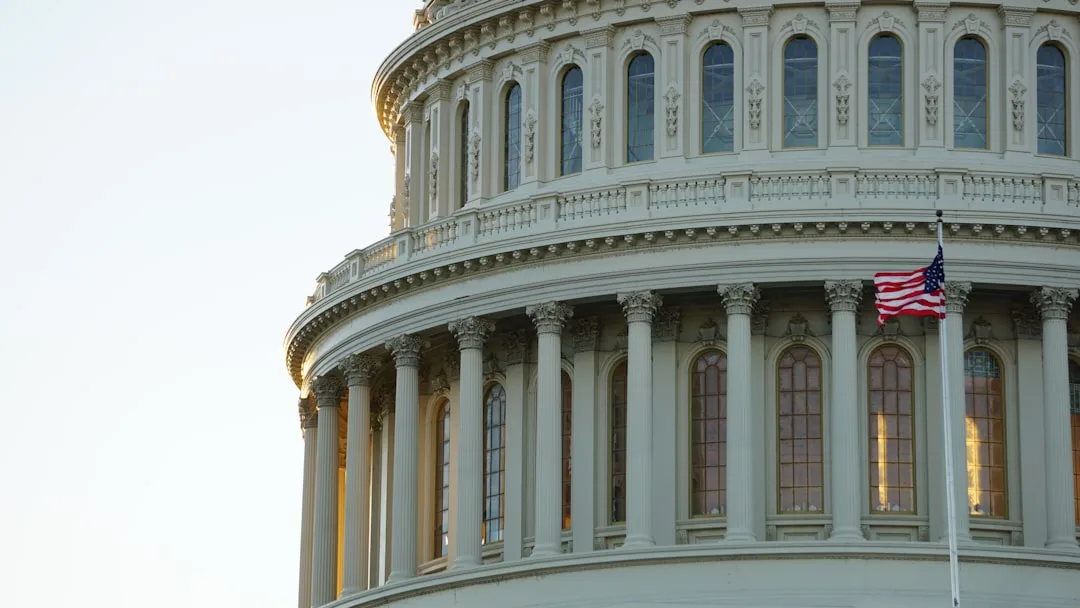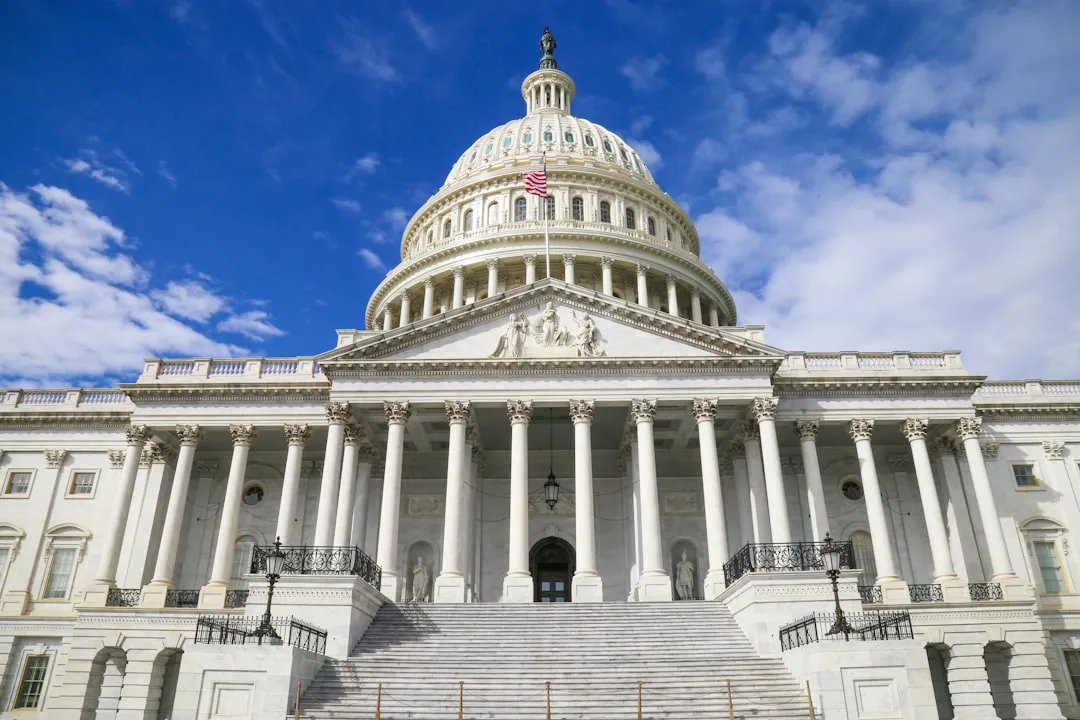
The U.S. Senate approved a continuing resolution on Thursday to fund the federal government through December 20, preventing a potential shutdown just days before the November 5 general election. The bipartisan measure passed by a vote of 65-32, with support from both Democrats and Republicans concerned about disrupting federal services during the election period.
The legislation maintains current funding levels for all federal agencies and includes disaster relief funding for states affected by recent hurricanes. According to the Congressional Budget Office, failure to pass the bill would have resulted in a shutdown impacting approximately 800,000 federal employees and disrupting services ranging from national parks to food safety inspections.
Senate Majority Leader Chuck Schumer (D-NY) stated, This bill ensures that Americans will not face the disruption of a government shutdown while they are exercising their fundamental right to vote. Senate Minority Leader Mitch McConnell (R-KY) added that the temporary measure allows time for longer-term negotiations after the election.
Analysts note that the timing of the bill reflects bipartisan awareness of the political risks associated with a shutdown during an election cycle. Historical data shows that previous shutdowns have negatively impacted public perception of both parties, with voters often blaming Congress as an institution rather than specific parties.
The short-term nature of the agreement means Congress will need to address full-year appropriations during the lame-duck session after the election. Key sticking points in those negotiations are expected to include defense spending levels, domestic policy riders, and disaster assistance funding beyond what is included in the current measure.
Historical Context of Federal Funding Battles
Government shutdowns have become increasingly frequent since the 1990s, with three occurring since 2013. The longest shutdown in U.S. history lasted 35 days during the 2018-2019 winter over border security funding. Each shutdown carries significant economic costs, with the 2018-2019 event estimated to have reduced GDP by $3 billion according to the Congressional Budget Office.
Key questions
- What is a continuing resolution and how does it prevent a government shutdown?
- A continuing resolution is temporary legislation that funds federal agencies at current levels when regular appropriations bills have not been enacted. It prevents a shutdown by providing legal authority for government operations to continue, avoiding a lapse in funding that would require non-essential federal employees to be furloughed and many services to cease.
- Why did Congress choose to pass a short-term bill instead of a full-year budget before the election?
- Lawmakers opted for a short-term continuing resolution to avoid the political risks of negotiating a full-year budget during an election cycle. The temporary measure allows time for post-election negotiations while ensuring essential government services remain uninterrupted during the voting period, reducing the likelihood of voter backlash associated with a shutdown.