A woman’s account of living with severe pelvic organ prolapse after what she says were years of dismissed symptoms is drawing fresh attention to a condition that specialists say is often underrecognized and undertreated.
According to the report, the patient described regularly feeling as though her internal organs were slipping downward, forcing her to physically manage the problem herself while seeking answers from medical professionals. She said that despite repeated concerns, she was initially told that nothing was wrong, leaving her to cope with worsening symptoms over time.
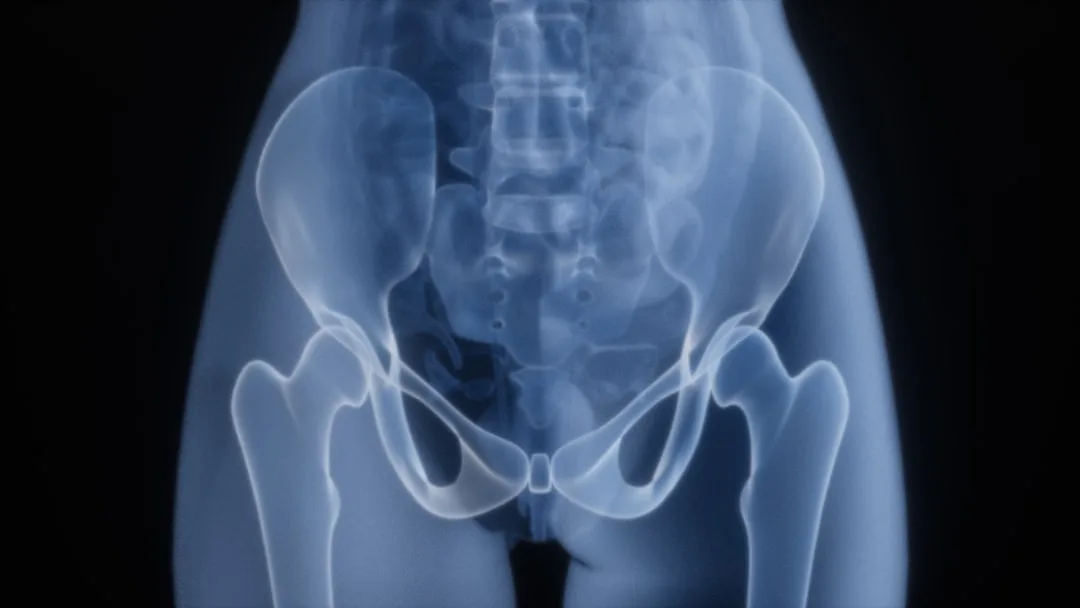
Pelvic organ prolapse occurs when muscles and connective tissues supporting the pelvic organs weaken, allowing organs such as the bladder, uterus or rectum to press into the vaginal canal. The condition can range from mild to severe and may cause pressure, pain, urinary problems, bowel difficulties and a sensation of bulging or heaviness.
Condition can be difficult to recognize
Health experts say prolapse may develop after childbirth, surgery, aging, chronic straining, heavy lifting or hormonal changes associated with menopause. In some cases, symptoms begin gradually and can be mistaken for other issues, delaying evaluation and treatment.
The patient’s story has resonated because it underscores a broader complaint sometimes heard in women’s health care: that symptoms involving pelvic pain, pressure or changes after pregnancy and childbirth are not always taken seriously right away. Advocates and clinicians have increasingly called for earlier screening, better patient education and improved access to specialists in pelvic floor disorders.
Treatment for pelvic organ prolapse depends on severity and the patient’s overall health and goals. Options can include pelvic floor physical therapy, lifestyle adjustments, pessaries — removable devices placed in the vagina to support pelvic organs — and surgery in more advanced cases. Physicians generally recommend medical evaluation when patients notice a vaginal bulge, pelvic pressure, urinary leakage, difficulty emptying the bladder or bowel changes.
Specialists note that prolapse is not rare, though many patients may feel embarrassed discussing symptoms or may assume the condition is a normal consequence of childbirth or aging. That can further delay diagnosis. Early assessment can help determine whether conservative measures may ease symptoms before the condition worsens.
While the original report focused on one patient’s experience, the case highlights the importance of listening carefully to persistent symptoms and seeking second opinions when concerns remain unresolved. For patients, experts say documenting symptoms, noting when they occur and asking for referral to a gynecologist, urogynecologist or pelvic floor specialist may help speed diagnosis.
The report also serves as a reminder that prolapse is a medical condition, not simply discomfort to be endured. Clinicians say greater awareness could help more patients receive timely treatment and avoid years of unnecessary distress.
Key questions
- What is pelvic organ prolapse?
- Pelvic organ prolapse is a condition in which weakened pelvic muscles and tissues allow organs such as the bladder, uterus or rectum to drop and press into the vaginal canal.
- When should someone seek care for prolapse symptoms?
- People should seek medical evaluation if they notice pelvic pressure, a vaginal bulge, urinary leakage, difficulty emptying the bladder, bowel changes or symptoms that interfere with daily life.