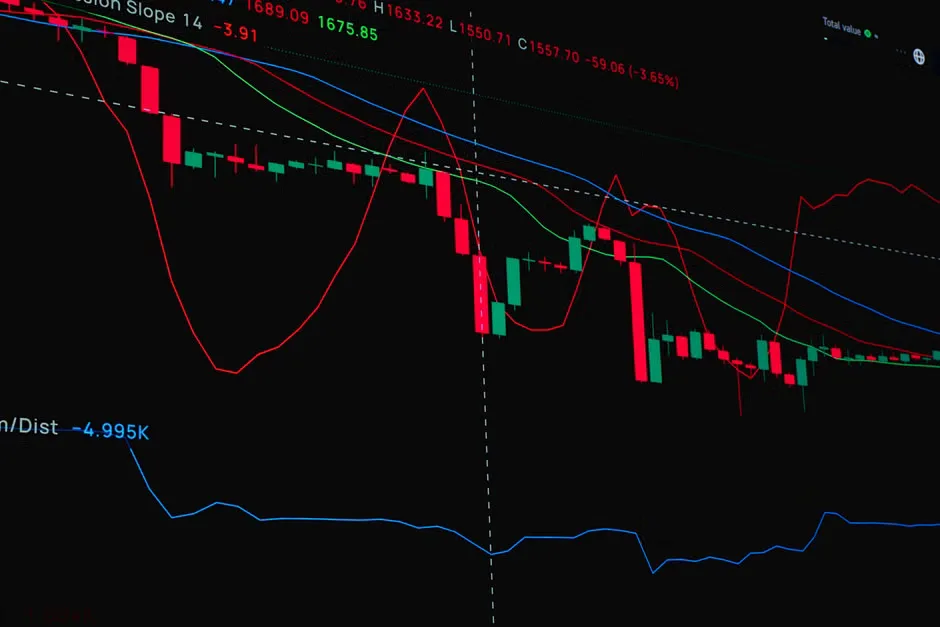

The Jeff Bezos Amazon stock sale filings have sent ripples through the financial markets, as the founder moves to liquidate $4 billion in equity. The announcement triggered an immediate downward trend for Amazon shares during active trading sessions.
This move follows a pattern of strategic divestment by the founder, who previously reduced his stake by $350 million earlier this year (Bloomberg). Such large-scale sales often signal a shift in personal liquidity needs or a broader outlook on asset valuation for high-net-worth individuals.
Market analysts suggest that while the sale is likely planned, the sheer volume of the transaction creates temporary selling pressure on the stock, influencing short-term trader behavior.
The immediate dip in the Amazon share price highlights the sensitivity of the technology sector to insider activity. When a high-profile founder like Bezos initiates a multi-billion dollar sale, it often triggers algorithmic trading bots that execute sell orders based on SEC filing keywords. This creates a cascade effect that can drive prices down regardless of the company's quarterly earnings or operational health.
From a corporate governance perspective, these sales are typically executed under 10b5-1 trading plans to avoid accusations of insider trading. By scheduling sales in advance, executives can liquidate assets without timing the market based on non-public information. Despite these safeguards, the optics of a $4 billion exit remain challenging for the general investing public to ignore.
Impact of the Jeff Bezos Amazon stock sale
Market observers will now closely monitor the timing of these sales relative to upcoming earnings reports. If the divestment continues throughout the fiscal year, it may lead to a new baseline for the stock's valuation. Analysts will also be watching for any corresponding purchases by other C-suite executives, which could signal internal confidence to counter the founder's exit.
Amazon has evolved from a digital bookstore into a global infrastructure giant. Its dominance in the cloud computing space through Amazon Web Services (AWS) provides a steady stream of high-margin revenue that offsets the thinner margins of its retail logistics network. This diversification makes the company resilient to the volatility caused by individual equity divestments.
Key questions
- Why is Jeff Bezos selling his Amazon stock?
- While not explicitly stated in the filing, founders often sell shares to diversify their portfolios or fund other ventures, such as Blue Origin. These sales are typically planned in advance via SEC-regulated trading plans.
- How does a founder's stock sale affect the share price?
- Large sales can create immediate selling pressure and may be interpreted by investors as a lack of confidence in short-term growth. This often leads to a temporary dip in the stock price.