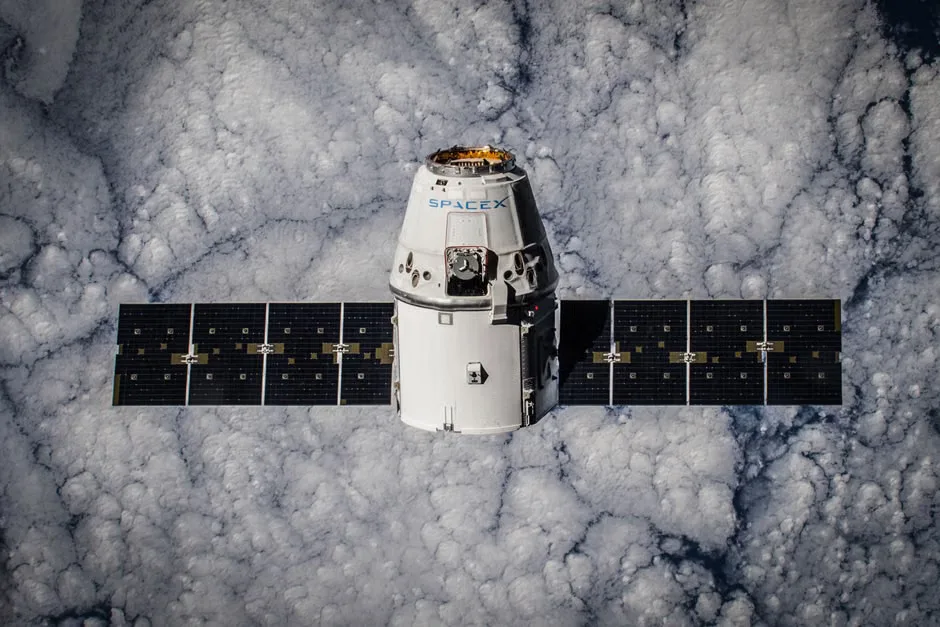
SpaceX aims to deploy 10 gigawatts of Starlink satellite broadband capacity by 2027, a target that could transform the company's revenue profile according to analysis from SemiAnalysis. This level of deployment would represent a massive scaling of the current Starlink constellation, which provides internet services to users worldwide through low-Earth orbit satellites.
The 10GW goal implies launching thousands of additional satellites to support high-bandwidth applications beyond consumer internet, including enterprise connectivity, government contracts, and data-intensive operations. SemiAnalysis estimates this scale could generate approximately $500 billion in annual recurring revenue for SpaceX, far exceeding its current launch and spacecraft businesses.
According to the analysis, Microsoft is projected to become SpaceX's largest single customer for Starlink services, potentially accounting for a significant portion of the anticipated revenue stream. The technology giant's cloud computing division, Azure, requires extensive global connectivity for data centers and enterprise customers, creating natural synergies with satellite broadband capabilities.
Reaching 10GW would require SpaceX to maintain its current launch cadence while improving satellite efficiency and ground station infrastructure. The company has demonstrated rapid iteration with its Falcon 9 rockets and Starship development program, which could enable the necessary deployment pace if regulatory approvals proceed favorably.
Industry analysts note that achieving this revenue projection depends on multiple factors including successful satellite production scaling, affordable user terminal costs, and sustained demand for high-bandwidth satellite connectivity across commercial and government sectors.
SpaceX 10GW Target Drives Long-Term Revenue Vision
The 10GW benchmark represents a strategic inflection point where Starlink transitions from a connectivity provider to a foundational infrastructure layer for global data transmission. At this scale, the network could support applications requiring low-latency, high-throughput connections that complement terrestrial fiber networks.
SemiAnalysis suggests that Microsoft's potential role as the largest offtaker stems from Azure's need for resilient, globally distributed connectivity to support its cloud services. Satellite links could provide backup connectivity for critical data centers and enable Azure offerings in regions where terrestrial infrastructure is limited or unreliable.
Revenue of $500B annually would position SpaceX's Starlink business among the largest technology enterprises globally, comparable to major cloud providers or telecommunications conglomerates. This projection assumes successful monetization across consumer, enterprise, and government segments at scale.
Forward-looking indicators include ongoing Starship test flights, which aim to reduce launch costs significantly, and Starlink's recent regulatory approvals in key markets. The company continues to iterate on satellite design, with newer versions offering increased capacity and improved deorbit capabilities.
Evergreen considerations for satellite constellations include space debris mitigation, international frequency coordination, and the technological lifespan of spacecraft in low-Earth orbit. SpaceX has implemented deorbit procedures for its satellites and engages with international bodies on spectrum allocation.
Key questions
- What does 10GW mean for SpaceX's Starlink network?
- 10GW refers to the total power capacity of SpaceX's planned Starlink satellite constellation by 2027, representing the energy available to power communications payloads across thousands of satellites. This level of capacity would enable high-bandwidth services for enterprise and government customers beyond current consumer broadband offerings.
- Why is Microsoft expected to be SpaceX's largest Starlink customer?
- Microsoft's Azure cloud platform requires extensive global connectivity for data centers and enterprise customers, making satellite broadband an attractive option for resilient, geographically diverse network links. SemiAnalysis projects Microsoft could become SpaceX's single largest customer for Starlink services due to these cloud infrastructure needs.