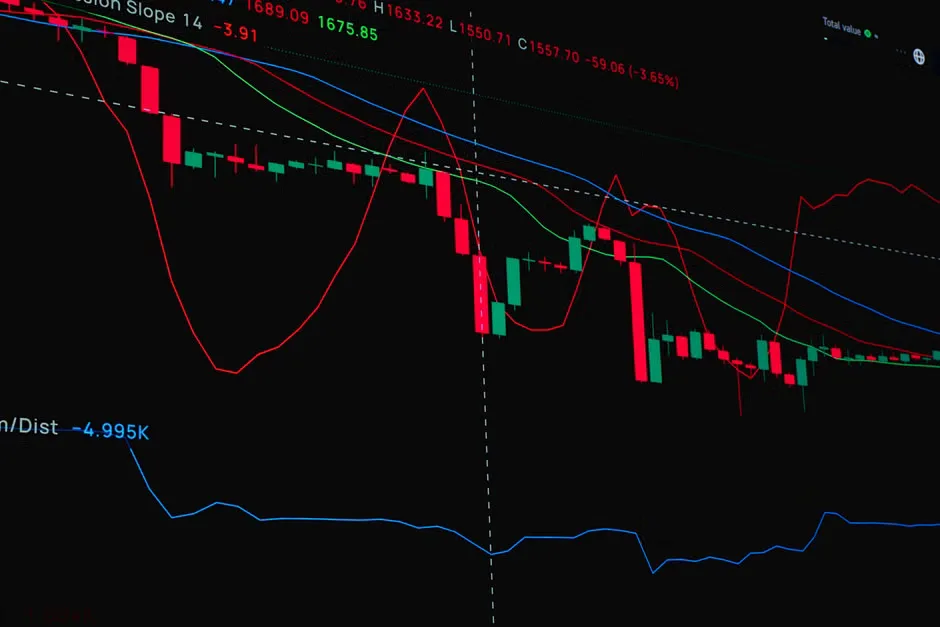
Dow futures slipped on Monday as oil prices rallied above $90 a barrel, reflecting growing market anxiety over the U.S.-Iran standoff and its potential impact on global energy supplies. The rise in crude comes amid warnings that Iran could disrupt traffic through the Strait of Hormuz, a vital chokepoint for about 20% of global oil trade.
According to Reuters, Brent crude gained more than 2% in early trading, reaching its highest level since November, as geopolitical risk premiums returned to the market. Analysts note that even a partial disruption in Hormuz could significantly tighten supply, especially amid already fragile global inventories and OPEC+ production constraints.
The market is pricing in a real risk of supply interruption, and until there’s clarity on diplomatic efforts, we’ll likely see this volatility persist, said Evelyn Garcia, senior energy analyst at Frost & Sullivan. Traders are reacting not just to current events, but to the possibility of escalation.
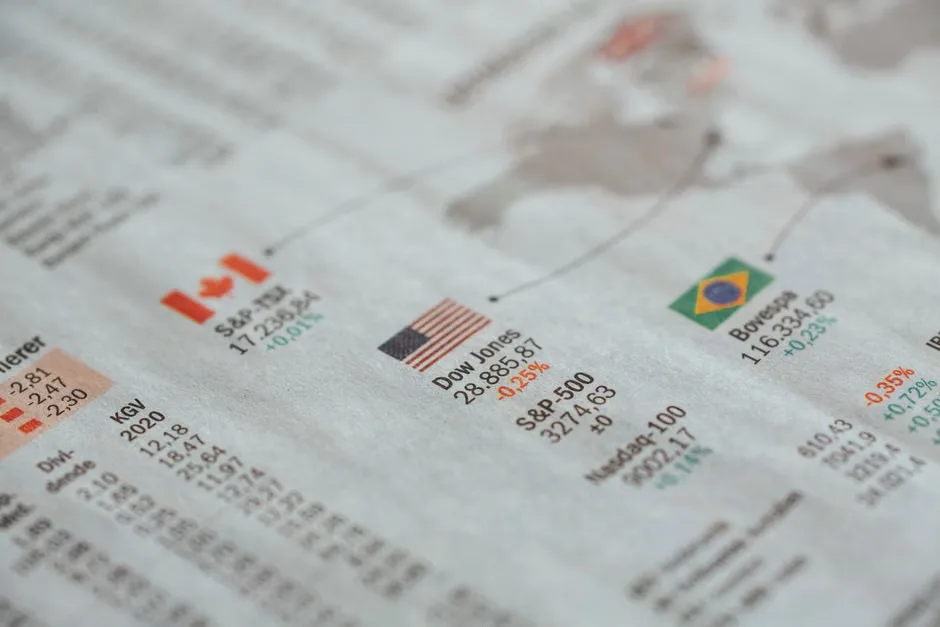
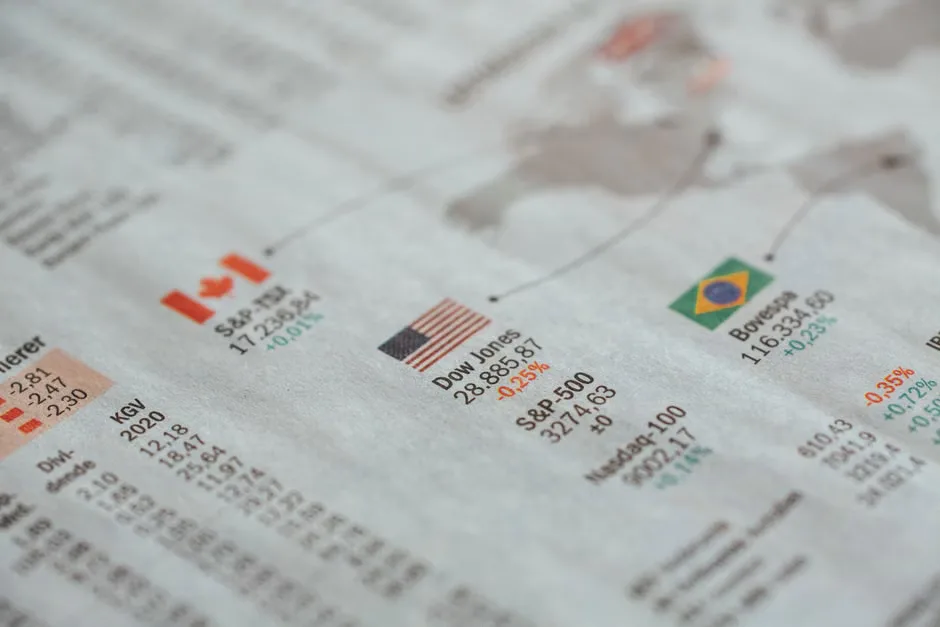
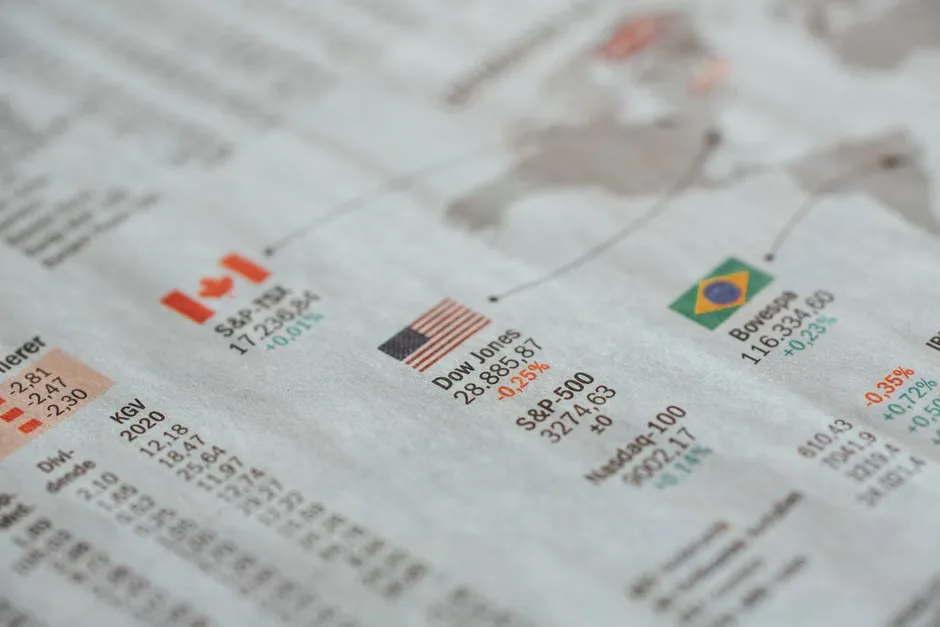
Equity markets showed signs of caution, with Dow Jones Industrial Average futures down 0.3% and S&P 500 futures flat, as investors weighed the inflationary implications of higher energy costs against hopes for a soft landing. The contrast between rising commodities and slipping equities underscores a growing divergence in market sentiment.
Investors are also turning attention to this week’s upcoming U.S. consumer price index (CPI) report, which could influence the Federal Reserve’s next move on interest rates. A hotter-than-expected reading may reinforce expectations of higher-for-longer rates, adding pressure to growth-sensitive sectors.
Beyond the immediate reaction, analysts warn that prolonged tensions in the Gulf could reshape energy trade flows and accelerate efforts by some nations to diversify away from Middle Eastern oil. However, diplomatic backchannels remain active, and any de-escalation could trigger a sharp reversal in current price trends.
Oil Markets React to Geopolitical Risk Premium
The current oil price movement reflects a classic geopolitical risk premium, where markets assign value to the possibility of supply disruption even if it hasn’t occurred. Historically, Hormuz-related fears have triggered sharp but short-lived spikes, though the duration depends on diplomatic outcomes and regional military posturing.
Looking ahead, market participants will monitor both diplomatic signals from Tehran and Washington, as well as any official statements from OPEC+ regarding potential output adjustments. Until then, volatility in both energy and equity markets is likely to remain elevated, particularly as inflation data approaches.
Key questions
- Why are oil prices rising above $90 a barrel?
- Oil prices have risen above $90 a barrel due to escalating U.S.-Iran tensions and fears that Iran could disrupt oil traffic through the Strait of Hormuz, a critical route for global oil shipments. Market analysts say traders are pricing in a geopolitical risk premium, even without actual supply disruptions yet.
- How are stock markets reacting to higher oil prices?
- Stock markets, particularly Dow Jones and S&P 500 futures, have shown hesitation or slight declines as higher oil prices raise concerns about inflation and consumer spending. Investors are balancing energy sector gains against broader market worries about the Federal Reserve maintaining higher interest rates for longer.