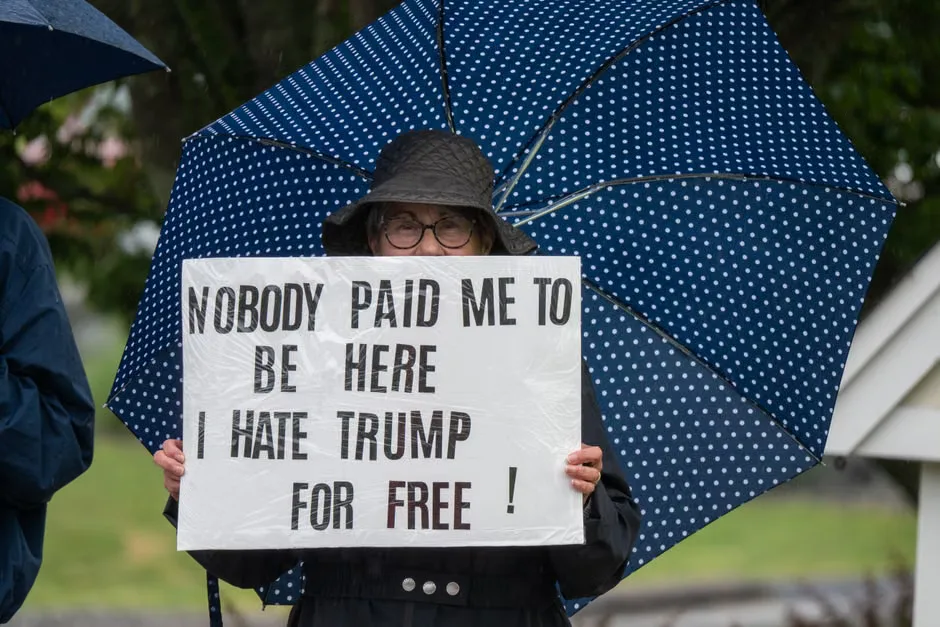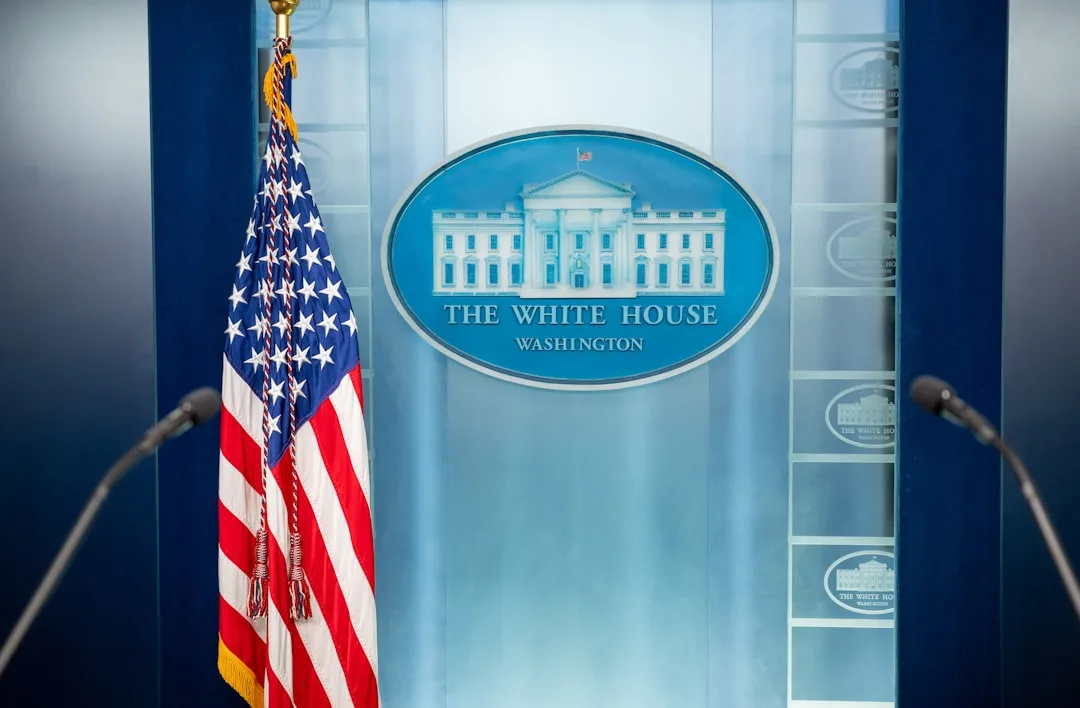
Donald Trump has renewed his public criticism of Federal Reserve interest rates, urging the central bank to implement cuts to stimulate the economy. This pressure coincides with the start of the July Federal Open Market Committee meeting.
The ongoing tension between political leadership and the central bank centers on the speed of monetary easing. The Federal Reserve operates as an independent entity to ensure that long-term price stability is not sacrificed for short-term political gains. According to recent economic data, the Fed has maintained a cautious approach to ensure inflation returns to its 2% target (Federal Reserve Board).
Trump has explicitly stated that he wanted interest rate cuts to be "rocket fuel" for the economy.
This demand for aggressive easing suggests a strategy focused on immediate liquidity. By lowering the federal funds rate, the cost of borrowing for mortgages, auto loans, and business expansions decreases. Such a move is typically intended to spark a surge in consumer spending and corporate investment, which can lead to a rapid increase in the Gross Domestic Product.
Conversely, the Federal Open Market Committee faces a complex dilemma. If the central bank lowers rates too quickly while inflation remains sticky, it risks triggering a wage-price spiral. The independence of the Fed is designed specifically to prevent this type of political interference, ensuring that monetary policy is driven by data rather than election cycles.
The political stakes are particularly high as Republicans navigate an uneasy November. Economic performance is often a primary driver of voter sentiment, making the timing of rate cuts a pivotal issue for the upcoming electoral landscape. The friction between the executives desire for growth and the central banks mandate for stability creates a volatile environment for market expectations.
Investors and economists are now awaiting the conclusion of the July FOMC meeting. The resulting policy statement will signal whether the Fed remains steadfast in its data-dependent approach or if it feels the need to adjust its trajectory in response to external pressures.
The Federal Reserve serves as the central bank of the United States, managing the nation's monetary policy to promote maximum employment and stable prices. Through the manipulation of interest rates and open market operations, it controls the supply of money and credit in the financial system.
The Impact of Federal Reserve Interest Rates
The relationship between the federal funds rate and the broader economy is direct and powerful. When the Fed raises rates, it cools an overheating economy by making borrowing more expensive, which slows down spending and helps curb inflation. When it lowers rates, it encourages spending and investment by making credit more accessible.
The current debate highlights the fundamental friction between the desire for rapid, short-term growth and the necessity of long-term financial stability. While lower rates can provide a temporary boost to equity markets and consumer confidence, the Federal Reserve must weigh these benefits against the risk of currency devaluation and unsustainable debt levels. As the FOMC evaluates current labor market data and consumer price indices, the pressure from political figures remains a constant backdrop to their technical deliberations.
Key questions
- Why does Donald Trump want lower interest rates?
- He believes lower rates act as "rocket fuel" for the economy by reducing borrowing costs and stimulating growth.
- What is the role of the FOMC?
- The Federal Open Market Committee is the branch of the Federal Reserve responsible for making key decisions regarding interest rates and monetary policy.