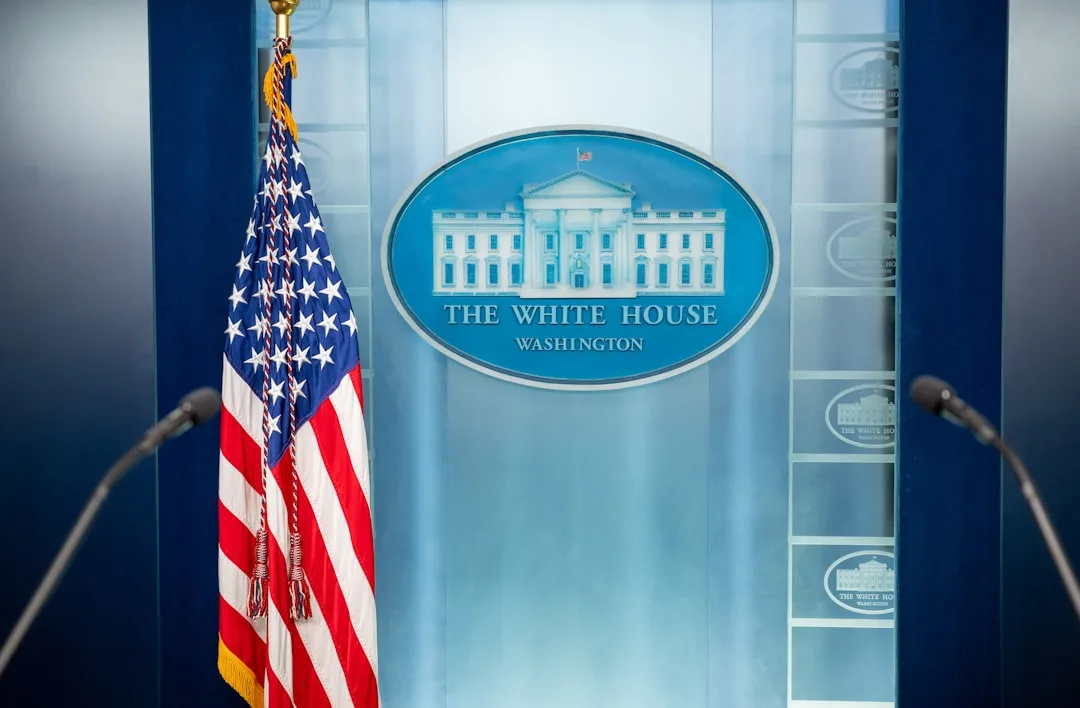
The White House has renewed its advocacy for establishing a strategic Bitcoin reserve, signaling a shift in how the U.S. government views digital assets in long-term financial planning. Officials have indicated that such a reserve could serve as a hedge against inflation and currency devaluation, particularly amid ongoing macroeconomic volatility.
This concept, first floated in recent policy discussions, draws parallels to traditional strategic reserves like petroleum or gold. Proponents argue that Bitcoin’s fixed supply and decentralized nature make it a unique store of value, with one administration official noting in a press briefing that diversifying national reserves to include innovative assets aligns with our responsibility to prepare for future economic challenges.
The proposal has sparked debate among economists and financial analysts, with some warning of Bitcoin’s price volatility and regulatory uncertainties. Others contend that even a modest allocation could enhance portfolio resilience without exposing the nation to undue risk, especially if implemented through a phased, transparent approach.
Market analysts suggest that formal government endorsement could accelerate institutional adoption, potentially increasing demand and liquidity in Bitcoin markets. However, they caution that any actual reserve would require legislative approval and robust custody solutions to ensure security and accountability.
What This Means for Bitcoin’s Future
If realized, a U.S. strategic Bitcoin reserve would represent a historic milestone in the integration of cryptocurrency into sovereign finance. It could legitimize Bitcoin as a macroeconomic asset, similar to how gold has functioned for centuries, and encourage other nations to consider similar strategies.
Such a move might also influence regulatory clarity, as government involvement often precedes clearer frameworks for taxation, reporting, and institutional custody. Over time, this could reduce barriers for pension funds, endowments, and corporate treasuries looking to gain exposure to Bitcoin.
While no timeline has been set for implementation, the continued discussion reflects a broader trend of state-level and federal interest in digital assets. States like Texas and Wyoming have already passed legislation to support Bitcoin mining and banking, suggesting a growing bipartisan openness to innovation in financial infrastructure.
Key questions
- What is a strategic Bitcoin reserve?
- A strategic Bitcoin reserve refers to a government-held stockpile of Bitcoin, similar to reserves of gold or oil, intended to serve as a financial hedge against economic instability or currency devaluation. The concept involves allocating a portion of national wealth to Bitcoin as a long-term store of value.
- Has the U.S. government officially approved a Bitcoin reserve?
- No, the White House has not yet approved or implemented a strategic Bitcoin reserve. Current discussions are exploratory, and any such initiative would require congressional authorization, secure custody mechanisms, and a clear regulatory framework before proceeding.