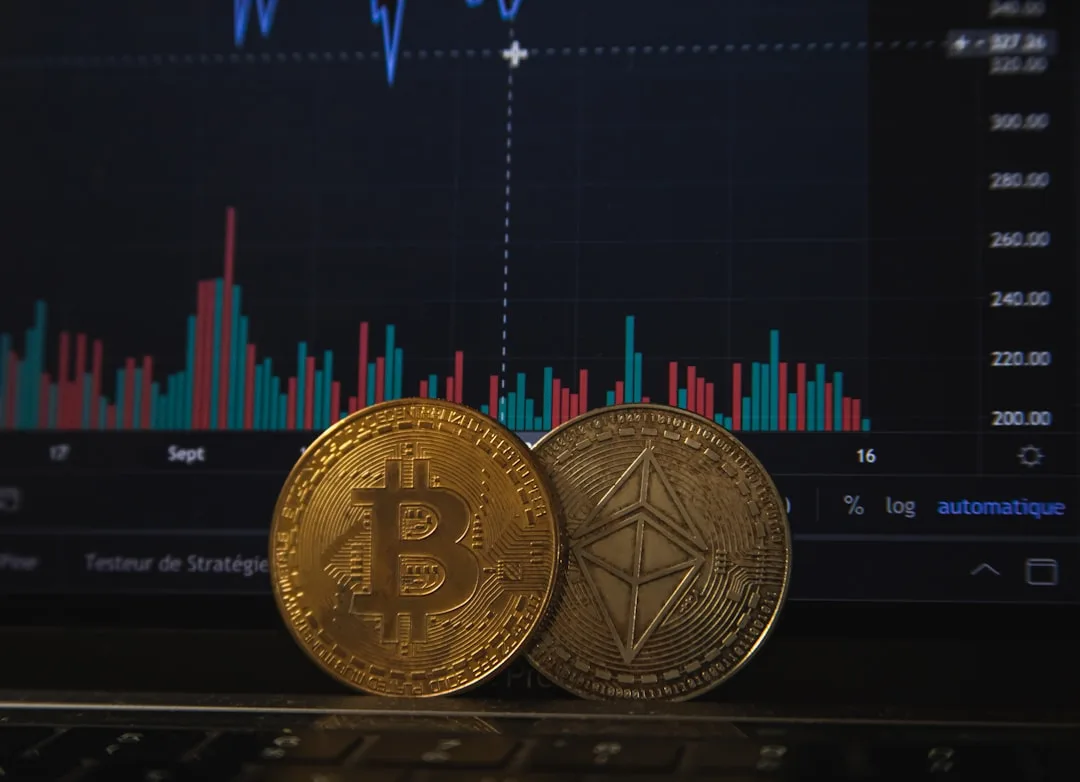

Bitcoin maintains its position as the leading cryptocurrency for investors seeking long-term exposure to digital assets, according to recent analysis from financial experts. Its decentralized architecture and fixed supply cap of 21 million coins continue to distinguish it from thousands of alternative tokens in the market.
Institutional adoption has accelerated over the past year, with major financial firms integrating Bitcoin into custody, trading, and investment products. This growing legitimacy is supported by regulatory clarity in key jurisdictions and the approval of spot Bitcoin exchange-traded products in several countries.
Bitcoin’s strength lies in its simplicity and security — it remains the most tested and trusted blockchain network, said a senior digital assets strategist at a global investment firm. While innovation continues across the crypto space, Bitcoin’s role as a store of value is increasingly validated by market behavior.
Analysts point to Bitcoin’s hash rate, which has reached all-time highs, as a sign of robust network security and miner confidence. Despite periodic price volatility, the underlying infrastructure has demonstrated resilience through multiple market cycles, reinforcing its credibility as a foundational digital asset.
Unlike many newer cryptocurrencies that rely on unproven consensus mechanisms or centralized development teams, Bitcoin operates on a transparent, open-source protocol with no single point of control. This decentralization reduces systemic risk and enhances its appeal as a hedge against currency devaluation and financial instability.
Bitcoin’s Role in Evolving Investment Portfolios
Financial advisors are increasingly allocating small percentages of client portfolios to Bitcoin as a diversification tool, particularly in environments of high inflation or currency uncertainty. Its low correlation with traditional assets like stocks and bonds over extended periods adds to its utility in risk-managed investment strategies.
Furthermore, the Lightning Network and other layer-2 solutions are improving Bitcoin’s scalability for transactions, expanding its utility beyond pure store of value. These developments suggest a path toward broader functional use while preserving its core monetary properties.
Looking ahead, Bitcoin’s trajectory will likely depend on macroeconomic trends, regulatory evolution, and continued technological refinement. While no investment is without risk, its established network effects and first-mover advantage provide a strong foundation for long-term consideration.
For investors navigating the complex and rapidly changing cryptocurrency landscape, Bitcoin offers a combination of security, scarcity, and growing legitimacy that few alternatives can match. Its enduring presence since 2009 underscores its significance as the original and most widely recognized digital asset.
Key questions
- Why is Bitcoin often considered a long-term investment in the crypto space?
- Bitcoin is viewed as a long-term investment due to its fixed supply of 21 million coins, strong network security measured by hash rate, and growing adoption by institutions and retail investors. Its decentralized nature and first-mover status contribute to its perception as a store of value similar to digital gold.
- How does Bitcoin differ from other cryptocurrencies like Ethereum or newer altcoins?
- Bitcoin primarily functions as a decentralized digital currency and store of value, using a proof-of-work consensus mechanism focused on security and simplicity. Unlike Ethereum, which supports smart contracts and decentralized applications, Bitcoin’s design prioritizes monetary integrity over programmability, making it less complex but more resilient to certain risks.