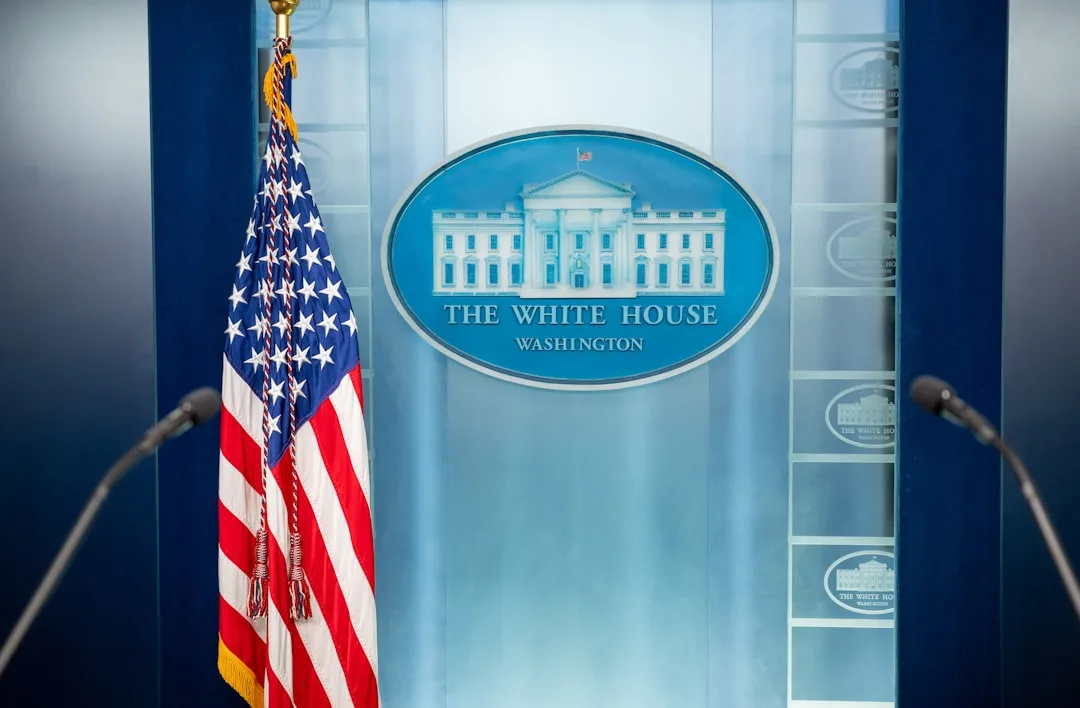
The White House has continued to advocate for the creation of a strategic Bitcoin reserve, positioning the digital asset as a potential component of national financial resilience. Officials have emphasized that such a reserve could serve as a hedge against economic instability and diversify the nation's asset holdings beyond traditional instruments.
This initiative builds on prior discussions within federal circles about the role of cryptocurrencies in sovereign wealth strategies. A 2023 report from the Congressional Research Service noted that over 60% of central banks globally are exploring digital currency frameworks, underscoring the growing institutional interest in blockchain-based assets (Congressional Research Service).
We are evaluating how emerging technologies like Bitcoin can complement existing financial tools in safeguarding national economic interests, said a senior administration official familiar with the reserve discussions, speaking on condition of anonymity.
The proposal suggests that allocating a small percentage of federal reserves to Bitcoin could provide exposure to an asset with low correlation to traditional markets. Proponents argue this could enhance portfolio resilience during periods of geopolitical tension or financial market stress.
Critics, however, caution that Bitcoin's price volatility and regulatory uncertainty pose significant risks to public funds. They contend that until clearer frameworks emerge for custody, valuation, and auditability, such initiatives remain speculative rather than strategic.
Strategic Bitcoin Reserve Implications
The concept of a strategic Bitcoin reserve raises important questions about how governments define and manage reserve assets in the digital age. Unlike gold or foreign currencies, Bitcoin operates on a decentralized network, which challenges conventional models of state-controlled reserves.
If implemented, the reserve could influence Bitcoin's market perception by signaling long-term institutional confidence. Analysts suggest that even a modest federal allocation might encourage other nations to consider similar strategies, potentially increasing demand and reducing perceived risk among conservative investors.
Looking ahead, the administration is expected to conduct further feasibility studies on secure storage, transaction transparency, and legal authority for holding digital assets. Any formal proposal would likely require congressional approval and coordination with financial regulators such as the SEC and Treasury Department.
Beyond immediate policy implications, the ongoing dialogue reflects a broader shift in how public institutions engage with cryptocurrency. As digital assets mature, their integration into national economic strategies may evolve from experimental pilots to structured components of fiscal policy.
Key questions
- What is a strategic Bitcoin reserve?
- A strategic Bitcoin reserve refers to a proposed holding of Bitcoin by a national government as part of its foreign exchange or emergency reserves, similar to how countries hold gold or foreign currencies. The idea is to diversify national assets and potentially hedge against economic instability using Bitcoin's decentralized nature.
- Has the White House officially approved a Bitcoin reserve?
- No, the White House has not officially approved or established a Bitcoin reserve. Current discussions remain exploratory, with officials stating they are evaluating the concept's feasibility and potential benefits as part of broader financial resilience planning.