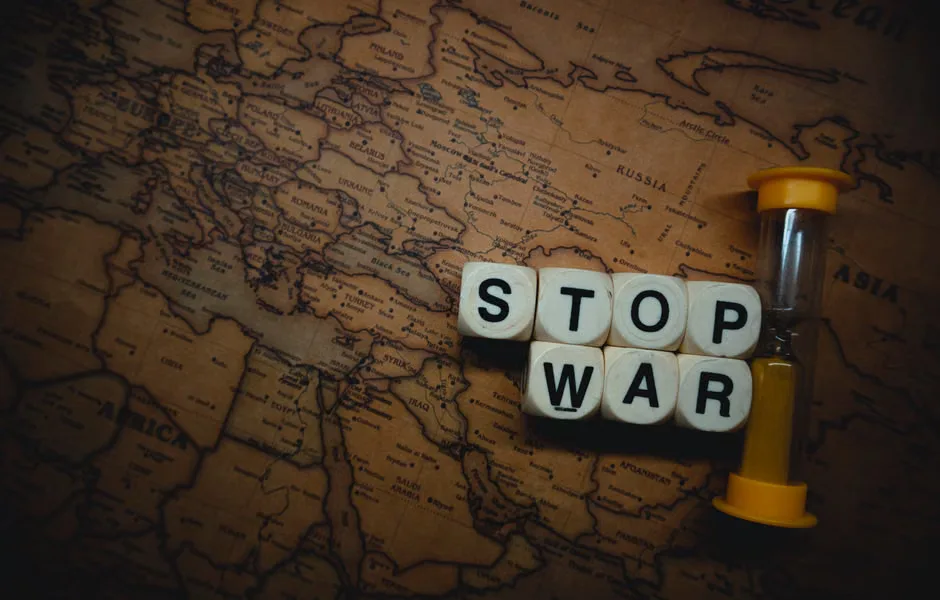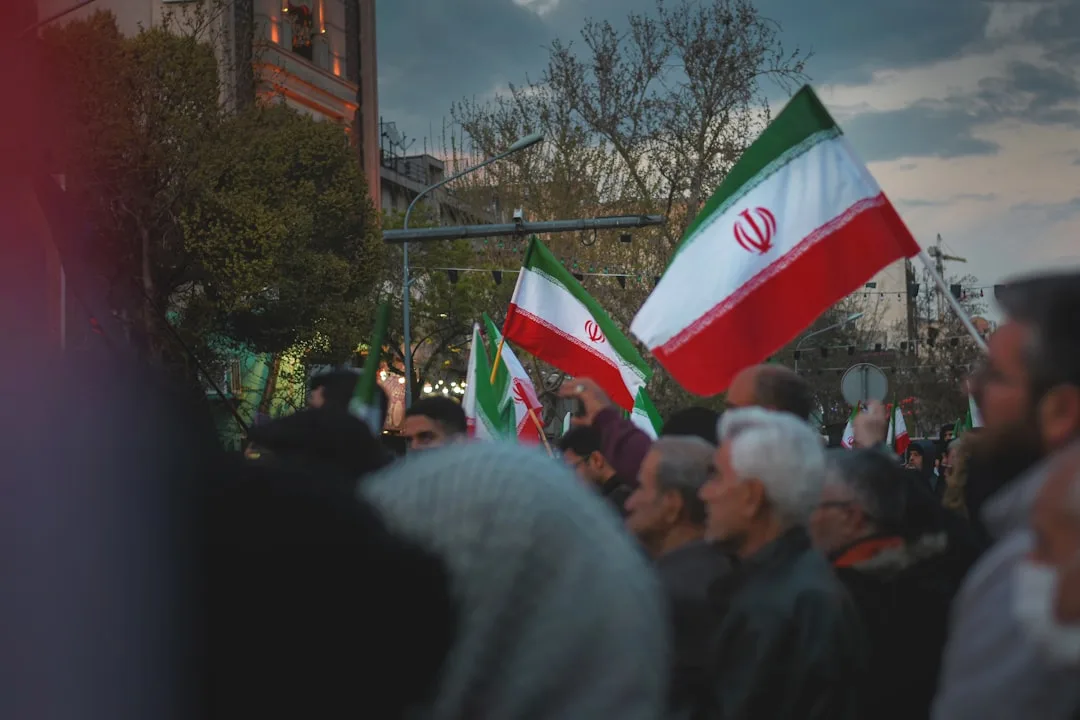
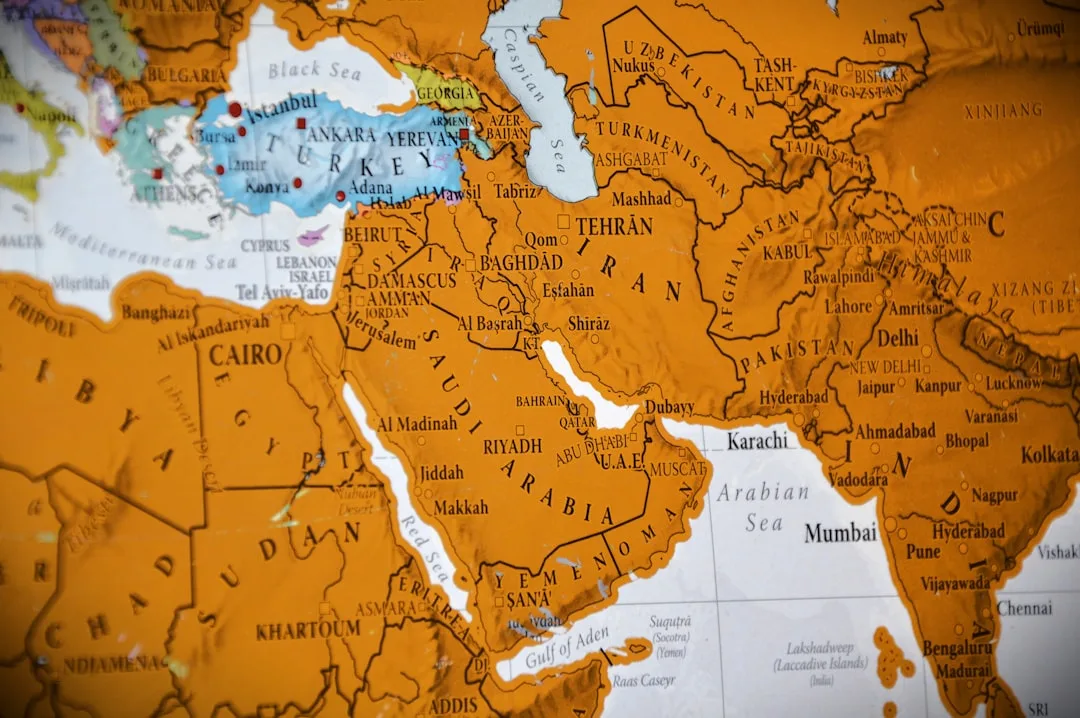
President Donald Trump ordered fresh military strikes against Iran this week, signaling a sharp escalation in a conflict now entering its sixth month. The directive focuses on neutralizing strategic assets to curb Iranian influence across the Middle East.
This escalation follows months of diplomatic failure and increased tensions across the Persian Gulf. Recent intelligence reports suggest that regional instability has increased the risk of oil price volatility by nearly 15% (World Bank).
Administration officials indicated that the president has grown dissatisfied with diplomatic avenues and now intends to apply maximum pressure through direct military action.
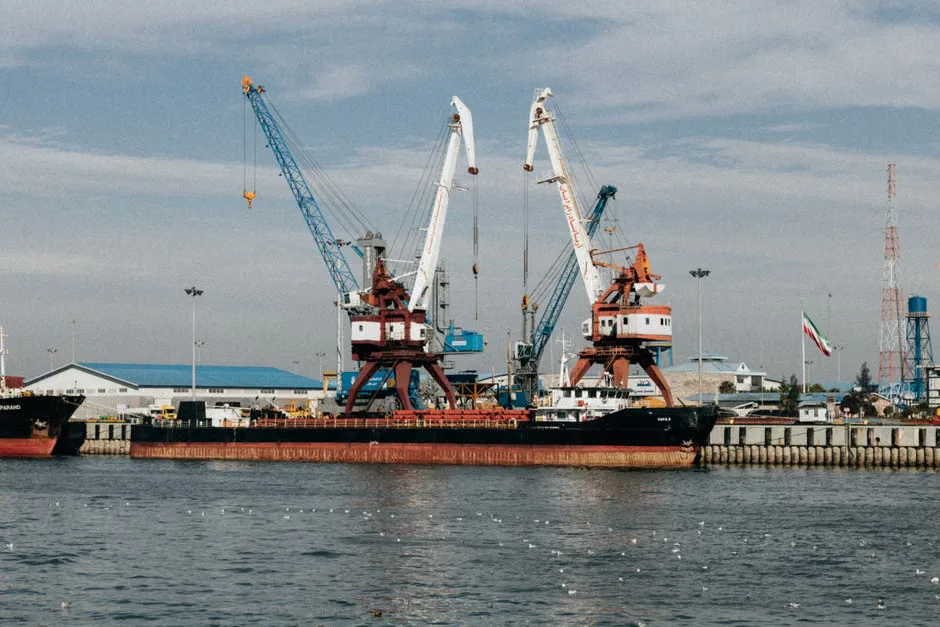
The decision to target energy-related infrastructure suggests a strategic shift toward economic warfare. By disrupting Irans ability to fund its regional proxies, the United States aims to force a fundamental change in Tehrans behavior.
Coordination with Israel ensures a multi-front approach, increasing the complexity of Iran's defensive response. This alliance reinforces the strategic partnership between Washington and Jerusalem in the face of shared security threats.
Strategic Implications of Trump Iran Attacks
Global markets are now monitoring the Strait of Hormuz for potential closures or disruptions. While diplomatic channels remain open, the window for a peaceful resolution appears to be closing rapidly as military preparations accelerate.
The long-standing rivalry between the United States and Iran has been defined by sanctions, proxy wars, and nuclear negotiations. The current conflict represents one of the most direct confrontations between the two nations in several decades.
Key questions
- What are the primary targets of the new military strikes?
- The strikes are expected to focus on energy-related infrastructure within Iran. The goal is to limit the nation's economic capabilities and funding for regional proxies.
- How are Gulf nations responding to the escalation?
- Nations in the Persian Gulf are bracing for disruptions to trade and security. They are closely monitoring the situation to mitigate potential economic shocks.