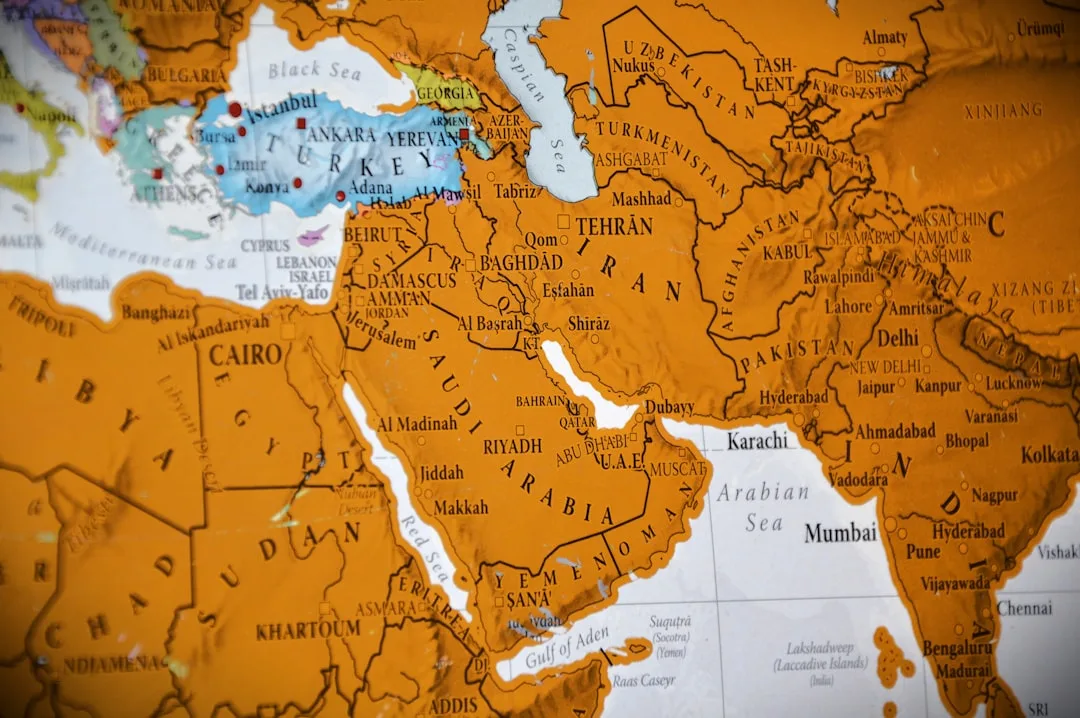

California representatives Iran war perspectives are sharply divided as members of the state's delegation debate the future of U.S. military involvement. This internal split reflects broader national tensions regarding the strategic approach to the Middle East and the effectiveness of current sanctions.
The divide often falls along party lines, with some lawmakers favoring diplomatic containment and others advocating for a more aggressive posture to deter aggression. According to the Congressional Research Service, the United States has maintained various levels of economic sanctions on Iran for decades to curb nuclear proliferation and regional influence.
In a recent discussion featured by KCRA, lawmakers expressed conflicting views on whether continued escalation serves national security interests or risks a wider regional conflict. The representatives noted that the path forward requires a balance between maintaining stability and ensuring that Iranian activities do not threaten global shipping lanes or allied nations.
The split highlights a significant ideological gap within the California delegation. While some representatives prioritize the prevention of direct military conflict through negotiation, others argue that a policy of maximum pressure is the only viable deterrent against Iranian influence in the Levant and the Gulf.
This disagreement complicates the state's ability to present a unified voice in Washington. The tension between isolationist tendencies and interventionist strategies continues to shape how California's representatives vote on defense spending and foreign aid packages destined for the Middle East.
California representatives Iran war strategies and the congressional divide
The debate extends beyond simple party loyalty, touching upon the economic implications of Middle East instability. California's economy, heavily reliant on global trade and energy stability, feels the ripple effects of any escalation in the Persian Gulf, making the representatives' stances a matter of local economic concern as well as global security.
Observers expect these divisions to persist as the U.S. government navigates new diplomatic challenges and potential treaty renegotiations. The outcome of these internal debates will likely influence the state's legislative priorities regarding international diplomacy and defense appropriations in the coming fiscal year.
California has historically played a significant role in shaping U.S. foreign policy due to its massive economic influence and diverse constituent base. As the largest state in the union, the internal friction among its representatives often serves as a bellwether for the broader national mood regarding overseas engagements.
Key questions
- Why are California representatives split on the Iran war?
- The split is primarily driven by differing views on whether the U.S. should prioritize diplomatic negotiations and sanctions or employ a more aggressive military and political posture to deter Iran.
- How does the Iran conflict affect California's political landscape?
- Because California is a global economic hub, the stability of the Middle East impacts energy prices and trade, leading representatives to debate the conflict's local economic consequences.