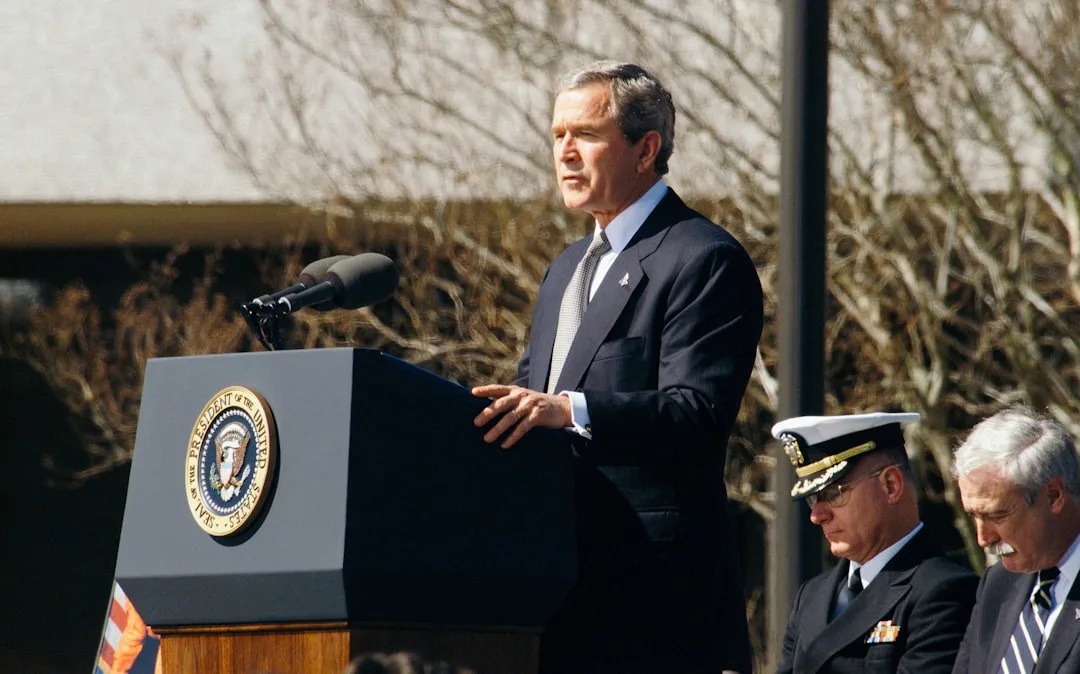

David Miliband emphasized that a Strait of Hormuz reopening is critical for global economic stability during a meeting with Marco Rubio in Washington. The high-level discussion focused on restoring secure maritime transit to stabilize international energy markets and protect consumer pricing.
The Strait of Hormuz remains the worlds most vital oil chokepoint, with roughly 20% of the worlds total oil consumption passing through the narrow waterway (International Energy Agency). Because of this concentration of traffic, any perceived threat to the passage of tankers leads to immediate volatility in Brent and WTI crude benchmarks.
During the diplomatic exchange, Miliband stated that the move is required to ease cost-of-living pressures.
This specific framing suggests that the diplomatic push for maritime security is now being driven by domestic economic urgency. By linking the physical security of a waterway in the Middle East to the monthly expenses of citizens in the West, Miliband is positioning the reopening as a critical tool for inflation control. The correlation between energy costs and the price of consumer goods makes the stability of the Strait a primary concern for treasury departments globally.
The engagement with Marco Rubio signals a desire for a unified transatlantic strategy. The United States maintains a significant naval presence in the region, and any UK-led diplomatic initiative requires the logistical and military backing of the US Navy to be effective. This coordination is intended to send a clear signal to regional powers that the disruption of energy flows is an unacceptable risk to global stability.
In the coming weeks, officials are expected to outline a multilateral security framework designed to guarantee safe passage for commercial tankers. These efforts will likely involve a combination of diplomatic incentives and increased naval patrols to deter interference. The success of these talks will depend on the willingness of regional actors to adhere to international maritime law.
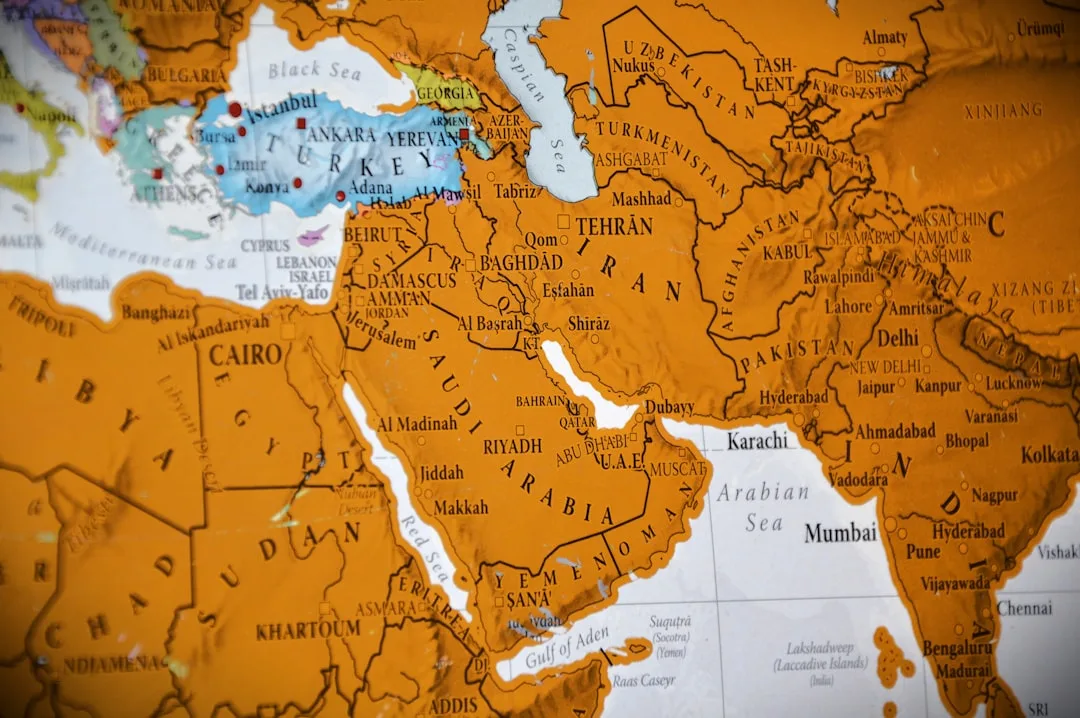
The Strait of Hormuz is a narrow waterway connecting the Persian Gulf with the Gulf of Oman and the Arabian Sea. Spanning only 21 miles wide at its narrowest point, it is the only sea passage from the Persian Gulf to the open ocean. Its strategic importance has made it a focal point of geopolitical tension for decades, as it is the primary artery for oil exports from Saudi Arabia, Iraq, Kuwait, and the UAE.
The Strategic Importance of a Strait of Hormuz Reopening
The economic ramifications of a closed or contested strait extend far beyond the oil industry. Shipping insurance premiums skyrocket when the region is deemed a high-risk zone, which increases the cost of all goods transported via the sea. This risk premium is passed directly to the consumer, exacerbating the very cost-of-living pressures Miliband highlighted.
Furthermore, the meeting in Washington underscores the evolving nature of energy diplomacy. As nations transition toward greener energy, the reliance on fossil fuels remains a stubborn reality for global transport and heating. Ensuring that this transition happens without catastrophic price shocks requires the maintenance of traditional energy corridors. The dialogue between Miliband and Rubio represents a pragmatic approach to managing these risks while navigating a complex geopolitical landscape.
Key questions
- Why is the Strait of Hormuz critical for the global economy?
- The Strait of Hormuz is the world's most important oil chokepoint, handling approximately 20% of global oil consumption. Any disruption to this waterway can cause immediate and sharp increases in global energy prices.
- How does the closure of the Strait affect cost-of-living?
- Closure or instability increases the cost of crude oil and raises shipping insurance premiums. These added costs are passed on to consumers through higher fuel prices and more expensive imported goods.