The Ebola Bundibugyo outbreak in the Democratic Republic of the Congo has reached unprecedented levels, according to recent health reports. This epidemic represents the fastest growth rate ever recorded for the virus, posing a severe threat to regional stability.
This surge in cases has pushed the current crisis to become the second-largest outbreak in global history. Health officials note that the Bundibugyo strain presents unique challenges in containment and transmission compared to previous variants (World Health Organization).
The World Health Organization stated that the current situation in the Democratic Republic of the Congo is the worst ever seen for this specific strain of the virus.
The rapid acceleration of the virus suggests a high level of community transmission. This speed complicates the deployment of medical resources and the establishment of quarantine zones in remote regions where infrastructure is limited.
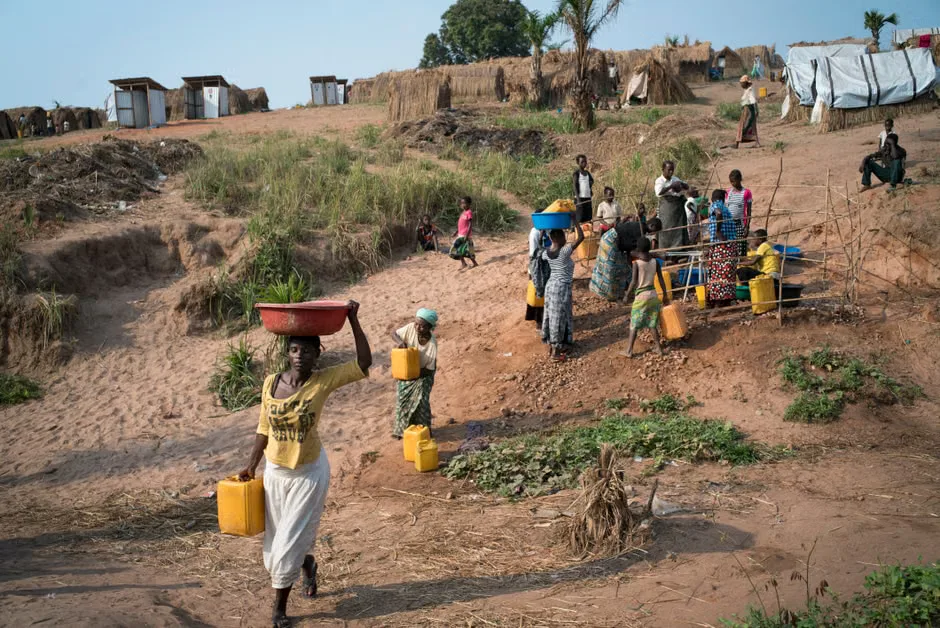
Public health infrastructure in the region is under extreme pressure. The scale of the infection requires an urgent international response to prevent the virus from crossing borders into neighboring nations, which could trigger a wider continental crisis.
Managing the Ebola Bundibugyo Outbreak
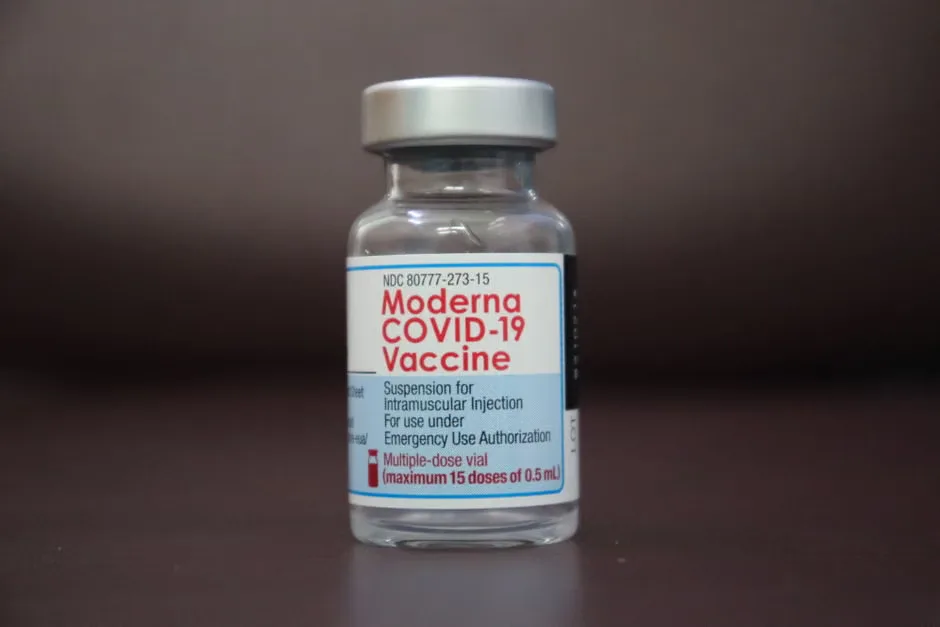
International health agencies are now coordinating to increase vaccine distribution and diagnostic capabilities. Future efforts will focus on tracking the virus's movement through rigorous contact tracing to halt the exponential growth of new cases.
Ebola is a severe viral hemorrhagic fever that causes systemic organ failure and high mortality rates. It typically spreads through direct contact with infected bodily fluids, making strict hygiene and isolation protocols essential for survival and containment.
Key questions
- What makes the Bundibugyo strain different?
- The Bundibugyo strain is a specific species of the Ebolavirus genus. It often presents with different clinical markers and transmission patterns than the more common Zaire strain.
- How is the outbreak being managed in DR Congo?
- The World Health Organization is working with local authorities to implement contact tracing and vaccination. These measures aim to break the chain of transmission and isolate new cases.