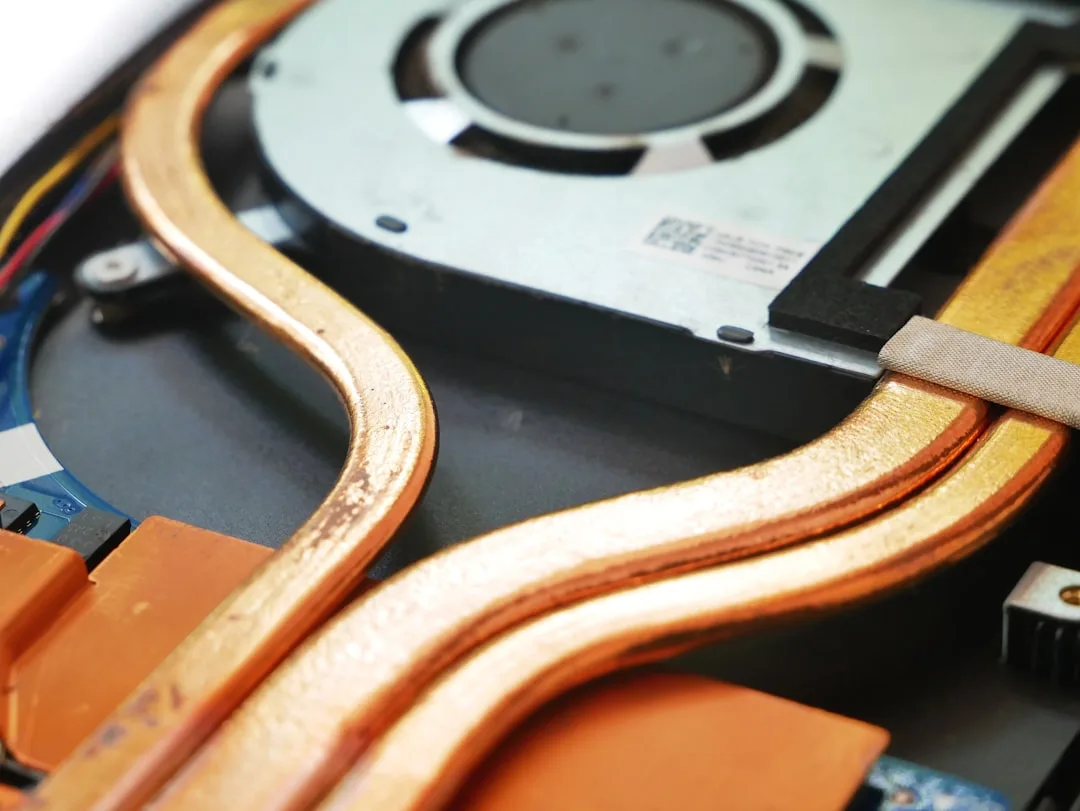
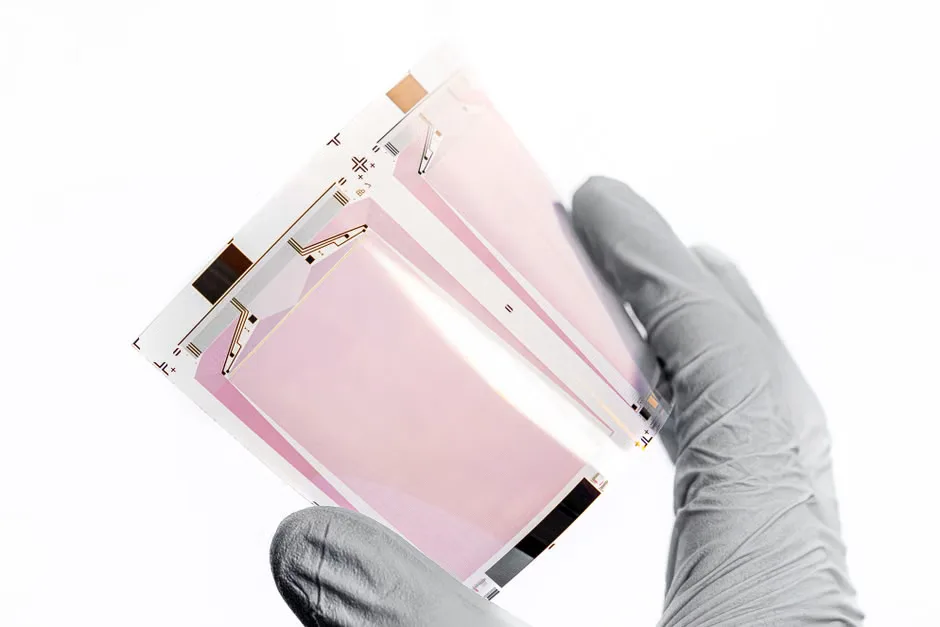
Disclosed on Tuesday, Discovered Materials announced a $9 million funding round to accelerate its use of artificial intelligence in identifying novel materials for improved chip cooling. The round was led by prominent venture capital firms focused on deep tech and advanced manufacturing, signaling strong investor confidence in AI-driven materials science. The company aims to shorten the discovery cycle for high-performance thermal interface materials and substrates that can dissipate heat more effectively in next-generation semiconductors.
As chip densities increase and power demands rise, thermal management has become a critical bottleneck in computing performance. Traditional cooling methods are struggling to keep pace with the heat generated by advanced processors in data centers, AI accelerators, and high-performance computing systems. According to a 2023 study by the Semiconductor Research Corporation, inefficient thermal management can reduce chip performance by up to 40% and significantly increase energy consumption in data centers.
We’re not just looking for better materials — we’re redefining how we find them, said Dr. Elena Vargas, Chief Technology Officer at Discovered Materials. By training AI models on vast datasets of material properties and thermal behaviors, we can predict and synthesize compounds that would take years to discover through trial and error.
The company’s platform combines machine learning algorithms with high-throughput computational screening to evaluate millions of virtual material candidates. This approach allows researchers to identify promising compounds with optimal thermal conductivity, electrical insulation, and stability under extreme conditions. Early simulations have already identified several candidate materials that outperform current industry standards in thermal dissipation.
Discovered Materials plans to use the funding to expand its AI models, partner with semiconductor fabrication labs for physical validation, and develop prototype materials for testing in real-world chip packages. The startup also intends to publish open-access databases of its findings to accelerate broader industry adoption of AI in materials discovery.
AI-Driven Materials Discovery Reshapes Semiconductor Innovation
The integration of artificial intelligence into materials science represents a paradigm shift in how the semiconductor industry approaches innovation. By reducing reliance on serendipitous discovery and iterative testing, AI enables a more predictable and scalable path to breakthroughs in thermal management, conductivity, and durability. This could lead to chips that run cooler, faster, and with lower energy costs — critical advantages as global demand for computing power continues to surge.
Beyond immediate applications in chip cooling, the methodologies developed by Discovered Materials could be adapted to other material challenges in electronics, such as improving battery electrolytes, enhancing photovoltaic efficiency, or developing more resilient substrates for flexible electronics. The long-term vision is to create a self-improving loop where AI-generated insights continuously refine the search for next-generation materials.
Key questions
- How does AI help in discovering new materials for chip cooling?
- AI analyzes vast datasets of material properties to predict which compounds will have optimal thermal conductivity, electrical insulation, and stability. This accelerates the discovery process by identifying promising candidates virtually before physical synthesis and testing, reducing development time from years to months.
- Why is thermal management becoming more critical in modern chips?
- As chip transistors become smaller and more densely packed, power density increases, leading to localized hotspots that can degrade performance and reliability. Efficient thermal management is essential to maintain clock speeds, prevent overheating, and reduce energy consumption in data centers and high-performance computing systems.