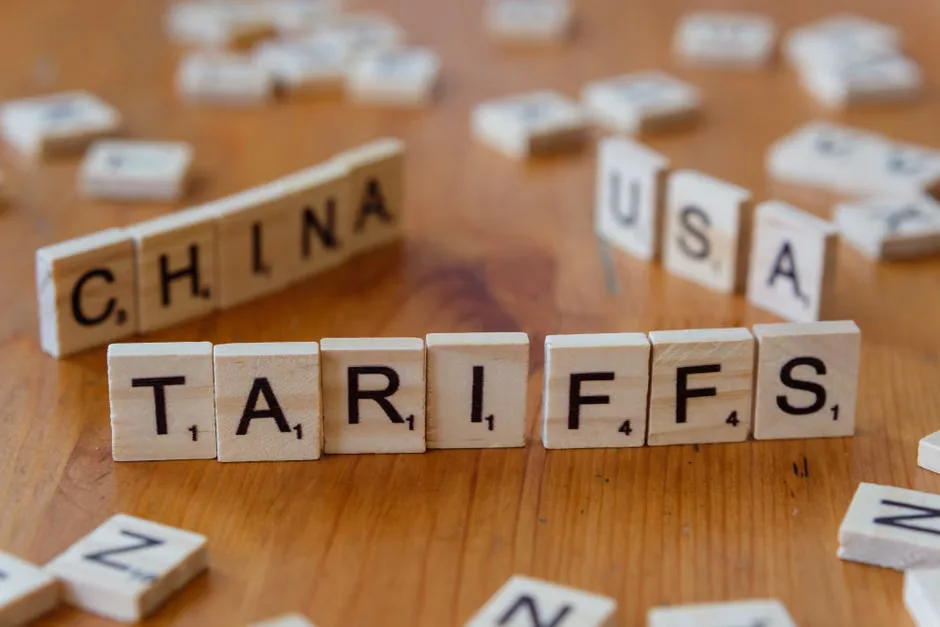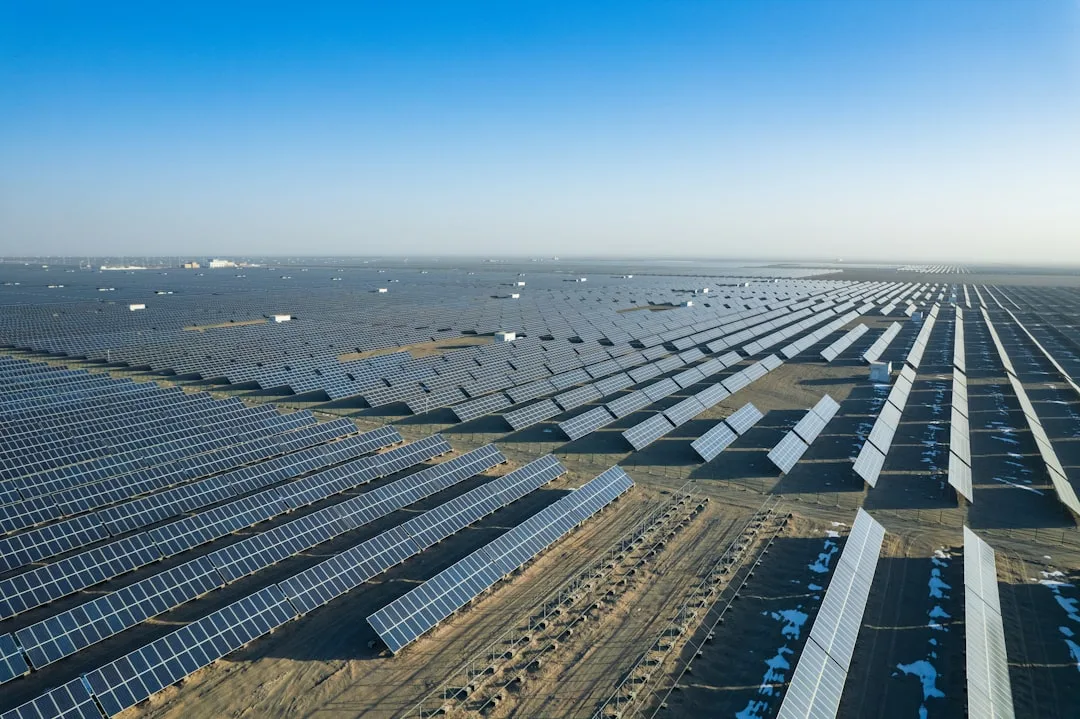
The Trump administration is preparing to impose 15% polysilicon tariffs to reduce reliance on Chinese imports. This strategic move aims to protect domestic manufacturers from unfair pricing practices and secure the critical supply chain for solar energy.
Polysilicon serves as the fundamental building block for solar panels and semiconductors, making it a cornerstone of modern technology. Currently, China controls a vast majority of global production, with some estimates suggesting they dominate over 80% of the market (Reuters). This concentration of power has left Western nations vulnerable to supply shocks and price manipulation.
According to reports from Reuters and Bloomberg, the administration is exploring a dual-pronged approach that combines these tariffs with a mandatory price floor. This mechanism is designed to prevent the market price of the material from plummeting, which would otherwise bankrupt smaller domestic firms.
This strategy represents a significant shift toward aggressive protectionism within the green energy sector. By raising the cost of imports, the U.S. government hopes to create a price umbrella that allows domestic producers to scale their operations without being undercut by subsidized foreign competitors. This move is not just about economics but is a matter of national security, ensuring that the transition to renewable energy does not depend entirely on a geopolitical rival.
Market reactions have been immediate and varied across the industry. Wacker Chemie has seen a surge in stock value as investors bet on the company's ability to capture more of the U.S. market. Meanwhile, downstream companies like Corning are facing new questions regarding their cost structures, as the tariffs could increase the price of the raw materials needed for their specialized glass and semiconductor products.
The administration is expected to finalize the results of its polysilicon probe in the coming weeks. Once the final determination is made, the government will outline the specific categories of imports affected and the exact date the 15% levy takes effect. Industry analysts are watching closely to see if China will retaliate with its own export restrictions.
Polysilicon is produced primarily through the Siemens process, which involves the chemical vapor deposition of trichlorosilane onto high-purity silicon rods. This process is extremely energy-intensive, which is why production has historically migrated to regions with the lowest electricity costs. As the world moves toward a decarbonized economy, the ability to produce high-purity silicon domestically has become a strategic priority for the United States.
The Impact of Polysilicon Tariffs on Global Trade
The intersection of trade policy and environmental goals continues to create friction in the global economy. As the U.S. seeks to decouple its supply chain from China, the polysilicon industry serves as a primary testing ground for these new economic doctrines.
Key questions
- What is the proposed tariff rate for polysilicon?
- The Trump administration is considering a 15% tariff on imports to counter Chinese market dominance. This is part of a broader probe into the polysilicon industry.
- Why is a price floor being considered for polysilicon?
- A price floor would prevent the market price of polysilicon from dropping too low. This ensures that US producers remain profitable and can compete with subsidized foreign imports.