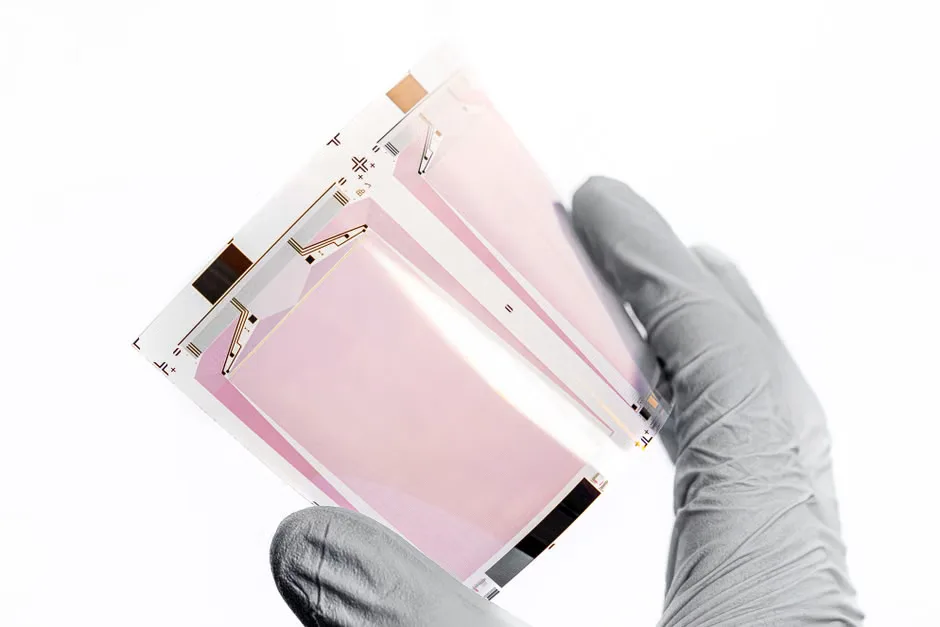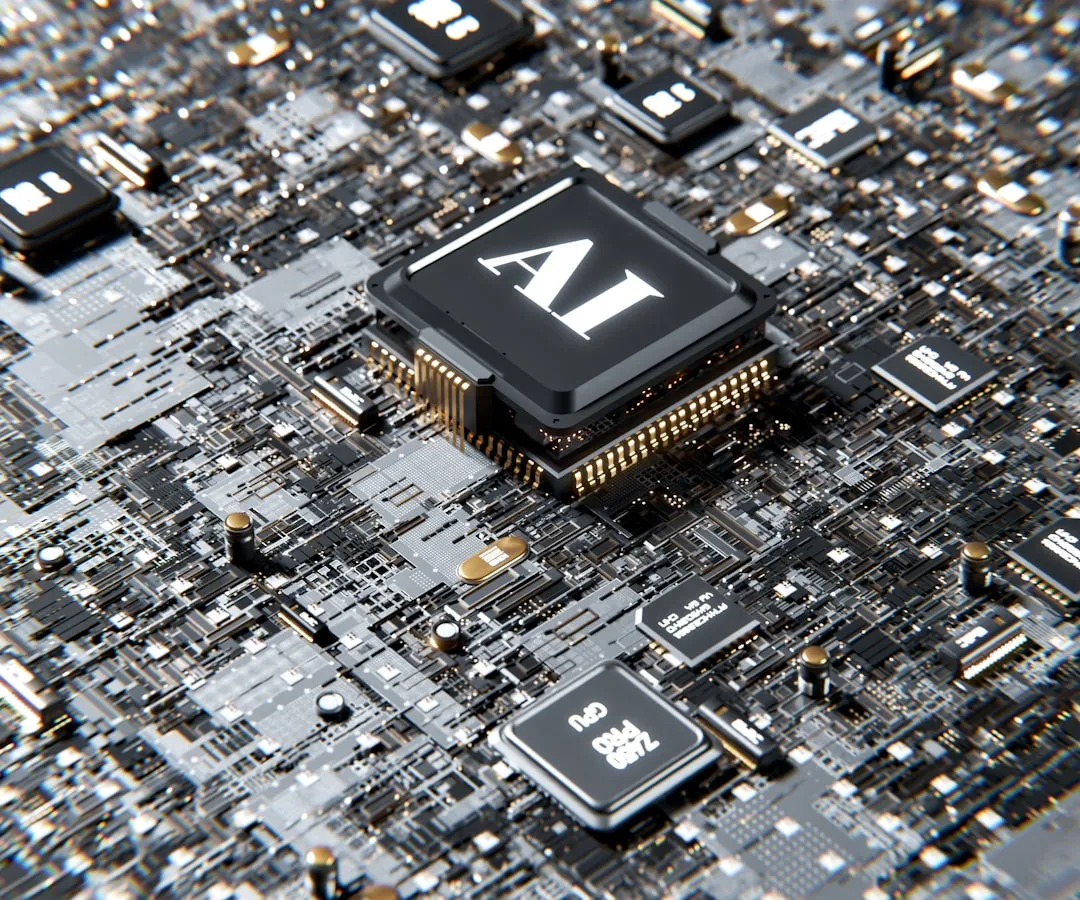
Researchers at the Massachusetts Institute of Technology have unveiled a spintronic processor that uses electron spin to execute logic operations. The prototype was demonstrated at the IEEE International Electron Devices Meeting in San Francisco on July 30, 2026.
Spintronics, which exploits the intrinsic spin of electrons and its associated magnetic moment, has been studied for over two decades as a path beyond Moore’s Law, and recent advances indicate that spintronic devices could cut data‑center power usage by up to 30 percent (IEEE Spectrum, 2025).
According to Dr. Elena Martinez, lead researcher on the project, the spintronic approach could enable AI accelerators that run cooler and longer on battery power.
The new design replaces traditional charge‑based transistors with spin‑transfer torque devices, which switch states by flipping electron spin rather than moving charge. This fundamental shift reduces resistive losses and allows operations at lower voltages.
Challenges remain in integrating spintronic layers with existing CMOS fabrication lines, and ensuring uniform material quality across large wafers. Researchers estimate that overcoming these hurdles could take another three to five years before mass production.
Next steps include optimizing the material stack for compatibility with 300‑mm wafer processing and engaging with semiconductor foundries for pilot runs. If successful, commercial spintronic AI chips could appear in data‑center servers by 2030.
Spintronics emerged in the late 1990s following the discovery of giant magnetoresistance, a phenomenon that earned the 2007 Nobel Prize in Physics. Since then, the field has progressed from magnetic read heads to prototype memory and logic devices, promising a future where information is processed with minimal energy loss.
Spintronic Processor
Key questions
- What is a spintronic processor and why is it significant?
- A spintronic processor uses the spin of electrons, rather than their charge, to perform logical operations. This approach can reduce energy consumption and heat generation compared to traditional silicon transistors. It offers a path toward more efficient computing for AI and data‑center workloads.