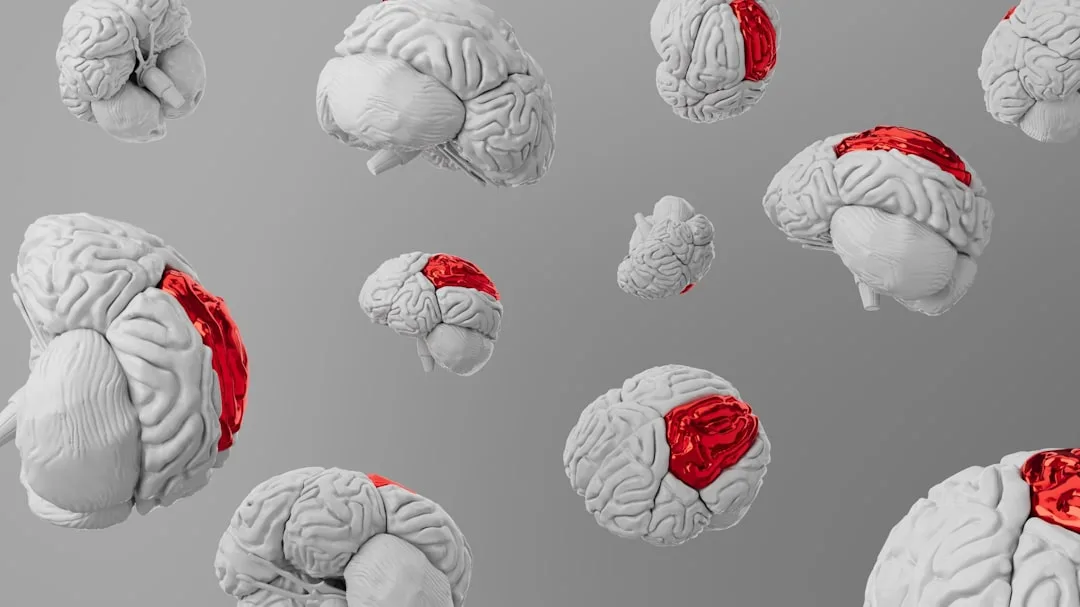
When people stop drinking alcohol, they may experience a range of physical and mental changes. Research suggests that regular alcohol consumption can age the brain faster than you think, with studies showing that heavy drinking can lead to cognitive decline and even dementia.
Neuroscientists warn that this habit can have a profound impact on brain health, with effects that can be reversed or slowed down by quitting. The brain's reward system, which is responsible for releasing feel-good chemicals like dopamine, can be altered by chronic drinking, leading to cravings and addiction.
Stopping alcohol consumption can lead to a range of benefits, including improved memory and cognitive function, reduced risk of dementia, and even a lower risk of certain types of cancer. However, the process of quitting can be challenging, with many people experiencing withdrawal symptoms like anxiety and depression.
Neurologists recommend that people who are struggling with addiction seek professional help, such as therapy or support groups, to overcome their dependence on alcohol. With the right support and resources, it is possible to overcome addiction and achieve long-term recovery.
Alcohol's Impact on the Brain
Research has shown that regular alcohol consumption can lead to changes in the brain's structure and function, including reduced volume in areas responsible for memory and learning. This can lead to cognitive decline and even dementia in heavy drinkers.
However, the good news is that the brain is a highly adaptable organ, and quitting can lead to significant improvements in brain health. Studies have shown that people who stop drinking can experience improved memory and cognitive function, as well as a reduced risk of dementia.
While the process of quitting can be challenging, the benefits of stopping alcohol consumption far outweigh the risks. With the right support and resources, it is possible to overcome addiction and achieve long-term recovery.
Key questions
- What are the effects of stopping alcohol consumption on brain health?
- Stopping alcohol consumption can lead to a range of benefits, including improved memory and cognitive function, reduced risk of dementia, and even a lower risk of certain types of cancer.
- Can quitting alcohol lead to addiction?
- No, quitting alcohol does not lead to addiction. In fact, quitting can lead to significant improvements in brain health and a reduced risk of addiction.