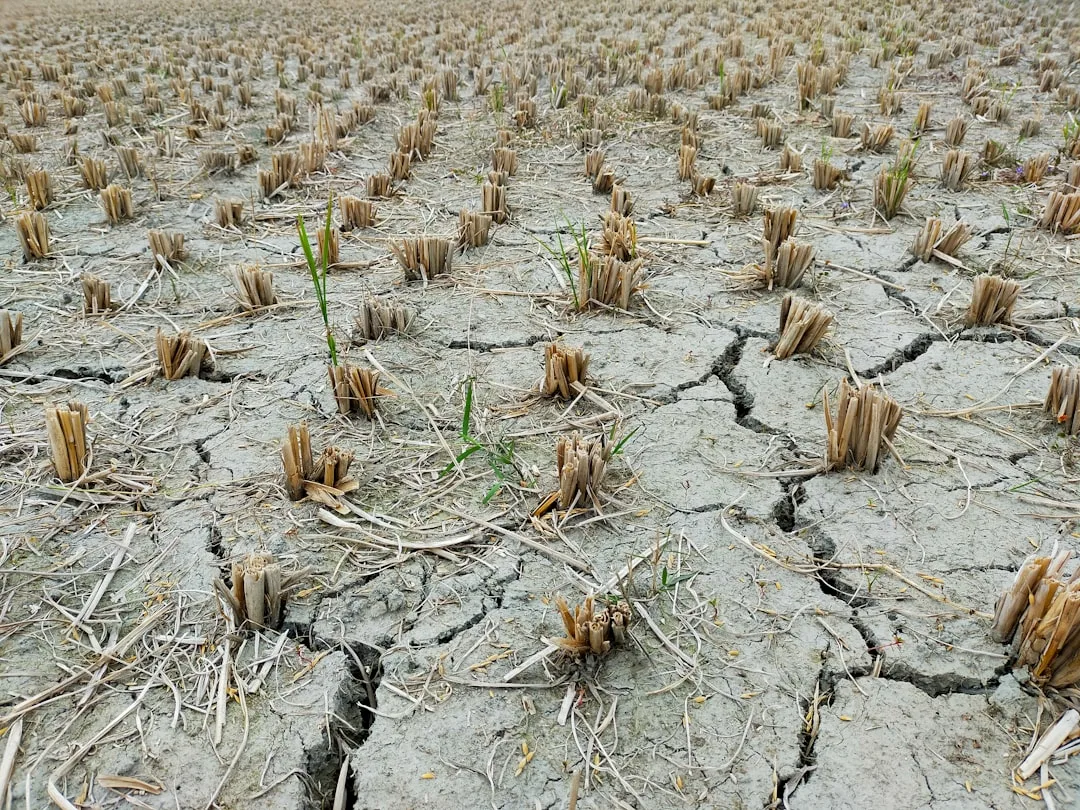
Weekend rainfall brought much-needed relief to drought-stricken areas, with totals ranging from 1-3 inches in some regions. The rainfall helped to alleviate drought conditions, improving water supply and soil moisture.
According to the National Drought Mitigation Center (in 2022, 40% of the country was experiencing drought conditions). A quote from a local farmer, The recent rainfall has been a game-changer for our crops, and were hopeful that this trend will continue.'
Analysis suggests that the rainfall will have a positive impact on the environment and local ecosystems. The increased water supply will also help to support local wildlife and agriculture.
Looking ahead, forecasters predict that the rainfall will continue to help ease drought conditions in the coming weeks. As the weather patterns continue to shift, it's essential to monitor the situation closely.
The evergreen background of drought conditions in the region is a complex issue, with multiple factors contributing to the problem. Understanding the underlying causes is crucial to developing effective solutions.
Drought Conditions and Rainfall
The relationship between drought conditions and rainfall is intricate, with many variables at play. As researchers continue to study the issue, they're working to develop more accurate forecasting models and mitigation strategies.
Key questions
- What are the main causes of drought conditions?
- Drought conditions are caused by a combination of factors, including lack of rainfall, high temperatures, and soil moisture deficits. Human activities, such as over-extraction of groundwater and land use changes, can also contribute to drought conditions.
- How does rainfall help alleviate drought conditions?
- Rainfall helps to alleviate drought conditions by replenishing water supplies, recharging groundwater, and improving soil moisture. This, in turn, supports agriculture, local ecosystems, and wildlife, and helps to mitigate the impacts of drought.