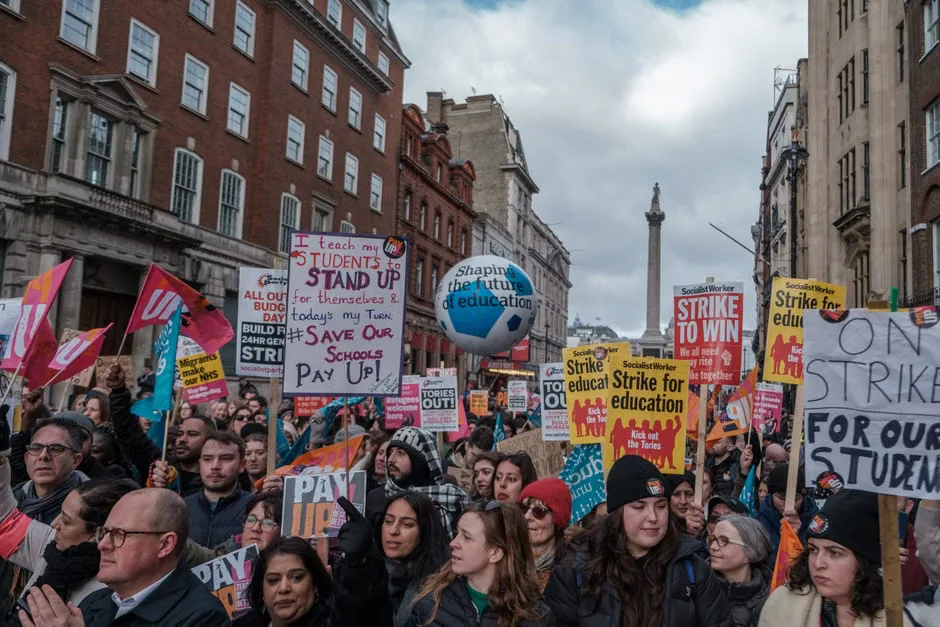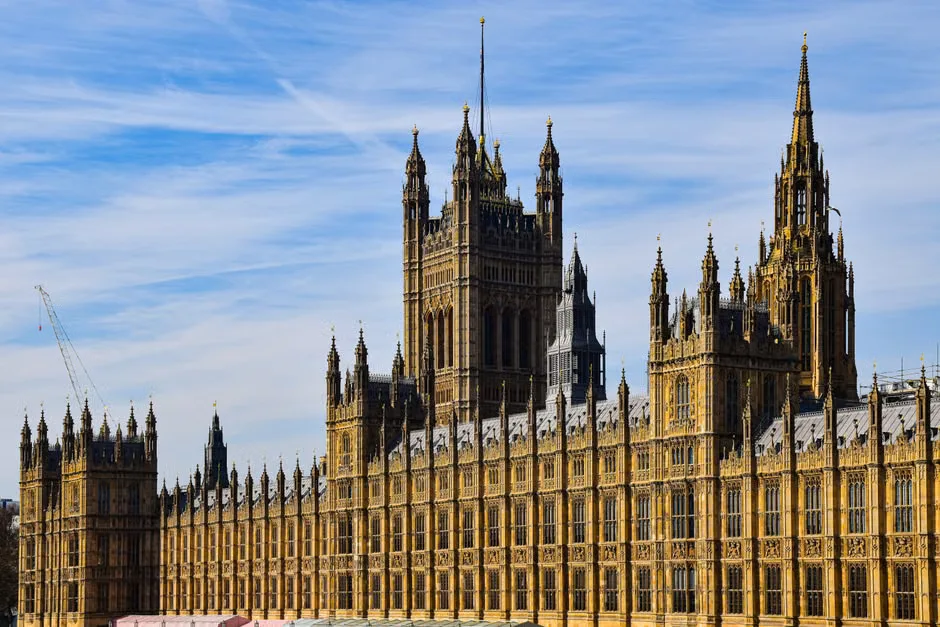
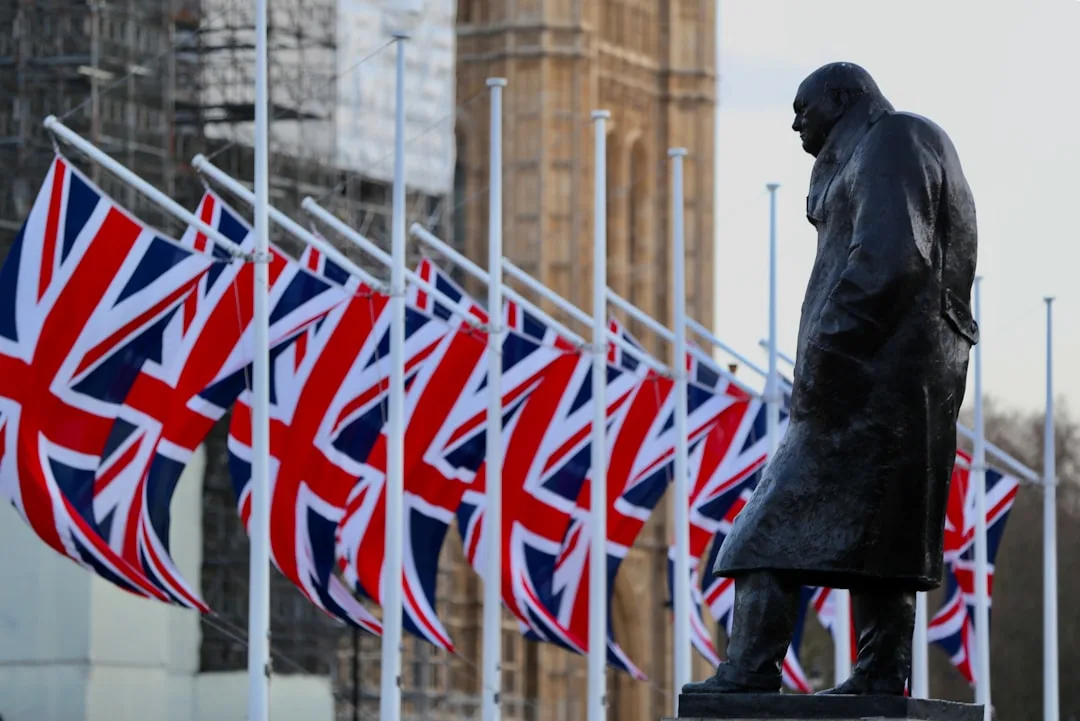
Labour Party members across the United Kingdom started submitting nominations for the party's leadership on Thursday, positioning former Greater Manchester Mayor Andy Burnham as the clear early favorite to assume the premiership without a contested election.
The nomination process requires candidates to secure endorsements from at least 15% of affiliated members and 10% of parliamentary Labour Party MPs, though insiders suggest Burnham's support base exceeds both thresholds. Only 12 sitting MPs have declared intent to run as of Monday, leaving the field largely unchallenged for now.
"Burnham's administrative experience and regional appeal make him the most electable candidate, which explains the lack of organized opposition," said Dr. Sarah Mitchell, a political analyst at the London School of Economics. "The party appears to be avoiding a divisive contest ahead of potential general election timing."
The Labour leadership succession follows the resignation of Keir Starmer, who stepped down after the party's poor performance in the 2024 European elections. Burnham, who previously ran for mayor of Greater Manchester in 2010 and won in 2015, 2016, 2017, and 2021, has positioned himself as a unifying figure capable of appealing to both traditional Labour voters and younger demographics.
Observers note that Burnham's candidacy could reshape Labour's policy platform, particularly on economic issues and devolution. His tenure as mayor coincided with significant infrastructure investments in the North West, including the Manchester Airport expansion and HS2 rail connections, which align with current party priorities.
If no rival emerges by the July 20 deadline, Burnham could be confirmed as leader within weeks, potentially positioning him to assume the role of prime minister before the end of the month. This would mark the first time in modern British history that a party leadership transition occurs without a contested primary process.
The Labour Party's leadership rules, established in 2014, require candidates to secure nominations from both grassroots members and parliamentary colleagues. The process includes a series of hustings events where candidates present their visions to party members across the country. The final vote will be conducted via the Single Transferable Vote system, with results expected by August 1.
Labour Leadership Nominations Process
Party members must submit nominations by July 20, with the Labour National Executive Committee verifying eligibility. Candidates must then participate in a series of televised debates and regional hustings before the final membership vote. The winner becomes leader and deputy leader simultaneously if no separate deputy contest is held.
Key questions
- How does the Labour Party leadership election work?
- The Labour Party requires candidates to secure nominations from at least 15% of affiliated members and 10% of parliamentary Labour MPs. The process includes hustings events where candidates present their policies before a final membership vote conducted via the Single Transferable Vote system. Results are typically announced by early August.
- Who are the main candidates in the 2026 Labour leadership race?
- Former Greater Manchester Mayor Andy Burnham is the clear early favorite, with no confirmed rivals challenging his path to the premiership as of July 2026. Other potential candidates include shadow chancellor Rachel Reeves and former home secretary Yvette Cooper, though neither has formally declared candidacy at this stage.