Deputy Prime Minister David Lammy has said Labour’s initial response to the war in Gaza was “problematic,” in a candid acknowledgment that Prime Minister Keir Starmer’s party began the issue on difficult political ground.
Speaking to the BBC, Lammy said Labour’s early handling of the conflict left the party open to criticism from voters, campaigners and some of its own members. His comments amount to one of the clearest admissions from a senior government figure that the party misjudged the political and moral intensity of the issue after the Oct. 7, 2023, Hamas attacks on Israel and the military campaign that followed in Gaza.
Labour faced sustained pressure in opposition over its position on calls for a cease-fire, humanitarian access and the language used by senior figures to describe Israel’s military response. Starmer was criticized by some Labour MPs, councillors and supporters after comments in the early weeks of the conflict were viewed by critics as too slow to emphasize the impact on Palestinian civilians. Starmer later said Israel must act within international law and backed pauses in fighting before supporting a cease-fire.
Political backlash over Gaza
The Gaza conflict became one of the most difficult foreign policy issues for Labour before and after its return to government. The party lost support in some constituencies with large Muslim populations, and Gaza was a prominent issue during local and national campaigns. Several Labour figures also warned that the party’s tone risked undermining its broader message on human rights and international law.
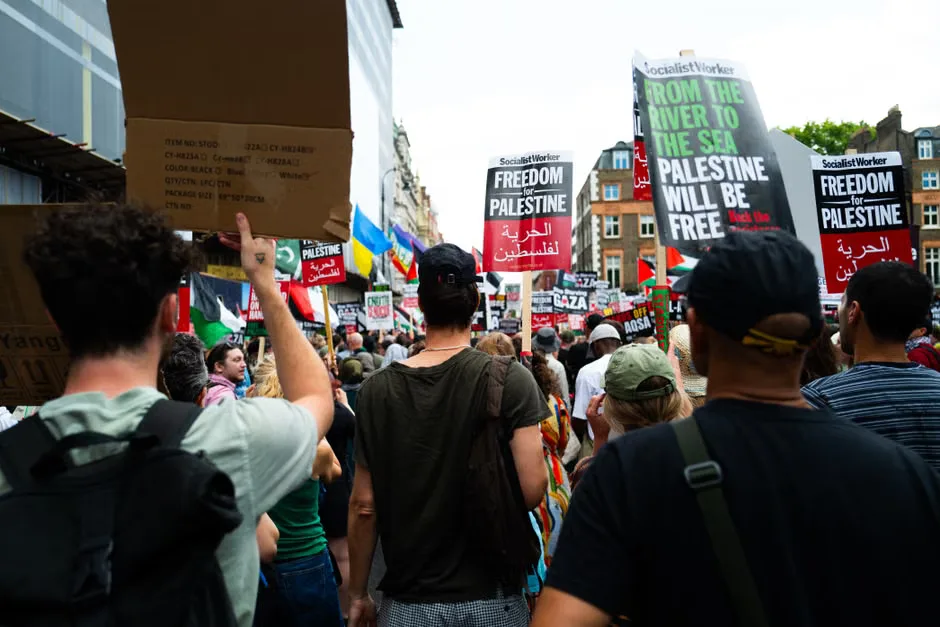
Lammy’s remarks suggest the government is aware that the issue continues to shape public perceptions of Labour’s leadership. Although foreign policy rarely dominates British elections for long periods, Gaza has remained a highly charged matter because of the scale of civilian suffering, the visibility of protests in the U.K. and debates over the country’s diplomatic and military ties with Israel.
The government has said it supports Israel’s right to security while also calling for greater humanitarian access, the release of hostages held by Hamas and a sustainable path toward peace. Ministers have also faced questions over arms export controls, recognition of a Palestinian state and the U.K.’s role in international efforts to end the war.
Lammy did not suggest that Labour’s current policy was unchanged from its early position. Instead, his comments pointed to the political cost of the party’s first response and the difficulty of rebuilding trust with communities that felt Labour had not acted quickly or forcefully enough to address the humanitarian crisis in Gaza.
Opposition parties and campaign groups are likely to use the remarks as evidence that Labour’s leadership has not fully resolved internal divisions over the Middle East. For Starmer, the issue remains a test of his government’s ability to balance alliance politics, international law and domestic pressure from voters who want a stronger response to civilian casualties in Gaza.
Key questions
- What did David Lammy say about Labour’s response to Gaza?
- Lammy told the BBC that Labour’s initial response to the Gaza conflict was “problematic,” acknowledging that the party faced criticism over its early stance.
- Why has Gaza been politically difficult for Labour?
- The issue has created pressure from voters, Labour members and campaigners over cease-fire calls, humanitarian conditions in Gaza, arms policy and the U.K.’s approach to Israel and the Palestinians.