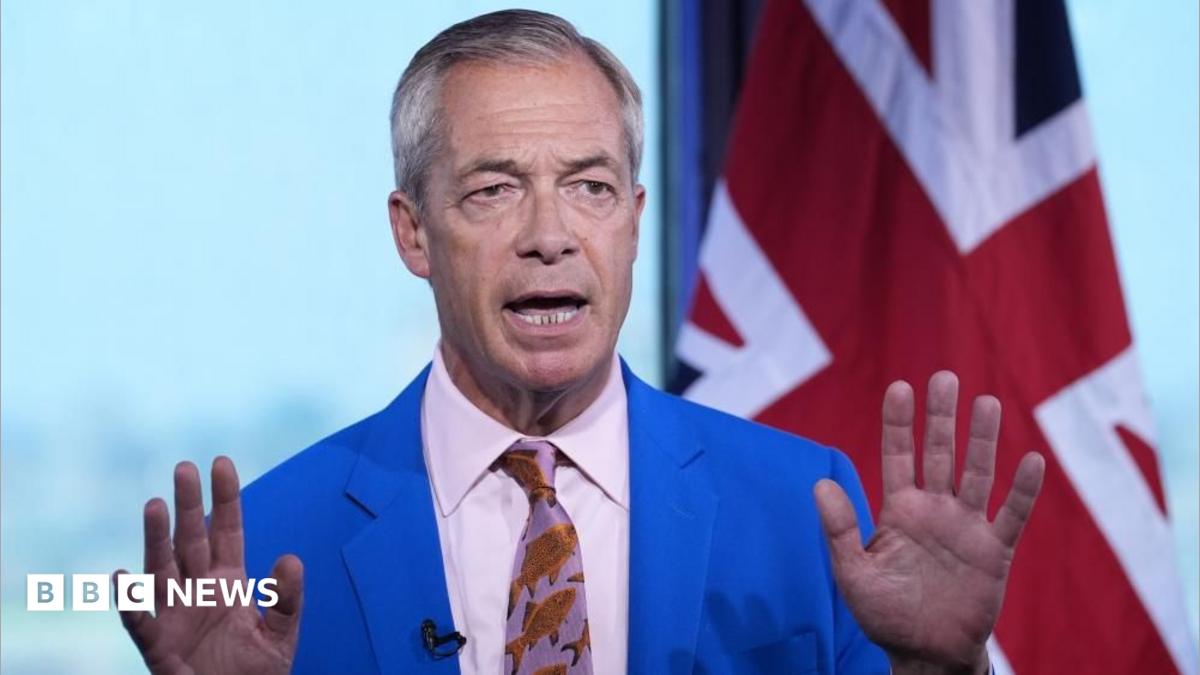
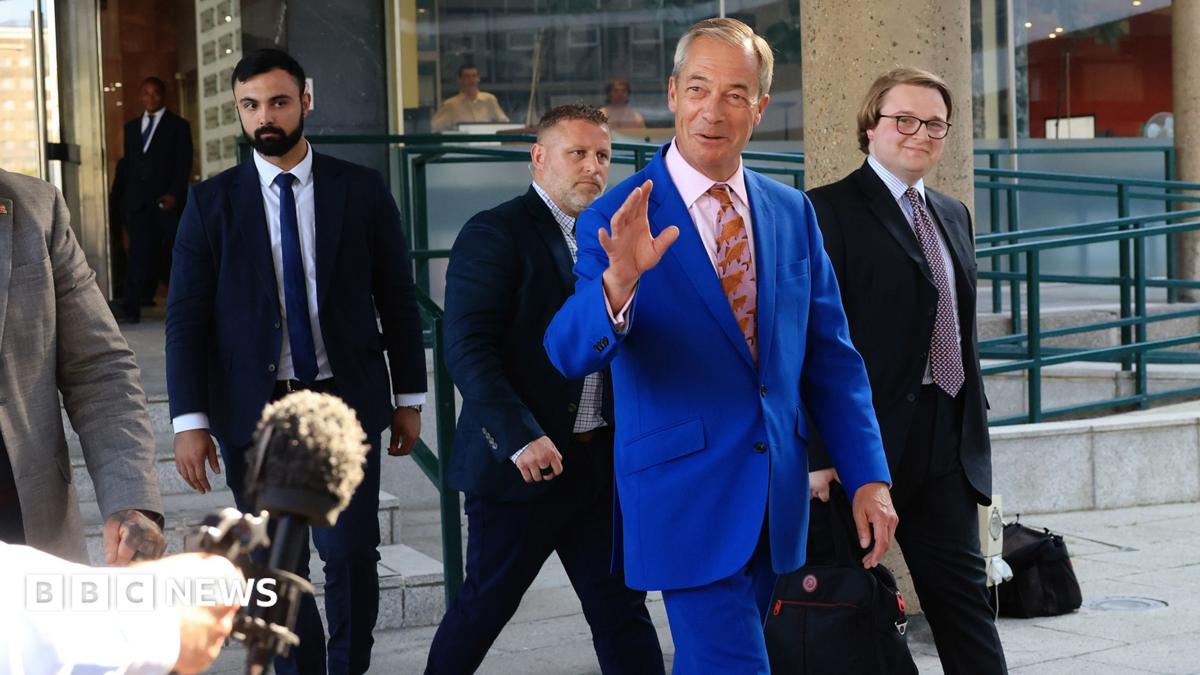
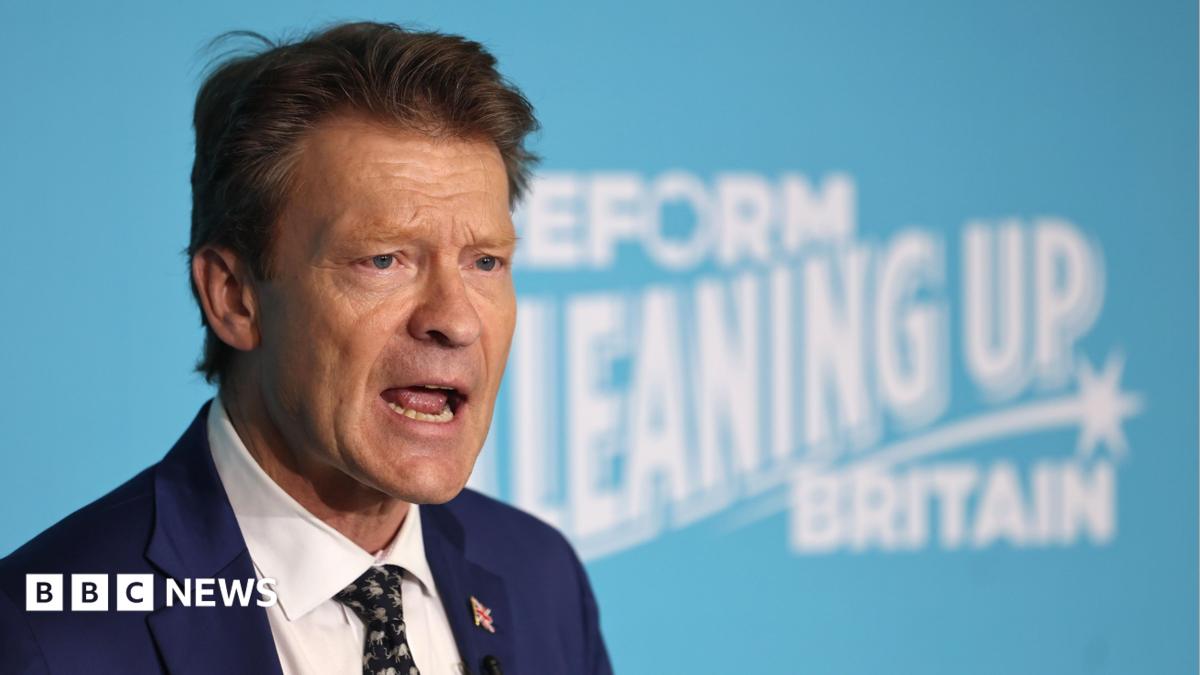
Farage resignation was announced by Nigel Farage on Tuesday, marking a sudden shift in Reform UK leadership. He made the statement during a press conference in London.
Founded in 2018, Reform UK has positioned itself as a right‑wing populist alternative, securing 12% of the vote in the 2024 general election (BBC).
“His departure leaves a vacuum that could be filled by more hardline factions,” said Dr. Emily Carter, professor of politics at the University of Manchester.
Farage resignation
Analysts warn that the leadership void may trigger internal power struggles, potentially weakening the party’s cohesion ahead of local elections. Some members fear a shift toward more extremist rhetoric could alienate moderate supporters.
Observers note that Farage’s exit could reshape the right‑wing landscape, creating opportunities for rival parties to attract disaffected voters. However, his enduring media presence suggests he will remain a influential commentator outside formal party structures.
Reform UK’s national executive is expected to convene an emergency meeting within 48 hours to appoint an interim leader and outline a timeline for a formal leadership contest.
Nigel Farage, a prominent figure in British politics for over two decades, first gained national attention as the leader of the UK Independence Party before founding Reform UK in 2018 to advocate for stricter immigration controls and national sovereignty.
Key questions
- Why did Nigel Farage resign as leader of Reform UK?
- He resigned after reports emerged that he failed to declare financial support from an allied businessman, which raised concerns about transparency. The omission triggered internal pressure from party members demanding accountability. Farage stated he wished to avoid further distraction to the party's objectives.
- What happens next for Reform UK after Farage's resignation?
- The party's national executive will call an emergency meeting to appoint an interim leader and set a timeline for a formal leadership contest. Meanwhile, members will debate the party's direction, balancing between maintaining its populist base and broadening appeal. The outcome could shape Reform UK's performance in future local and national elections.