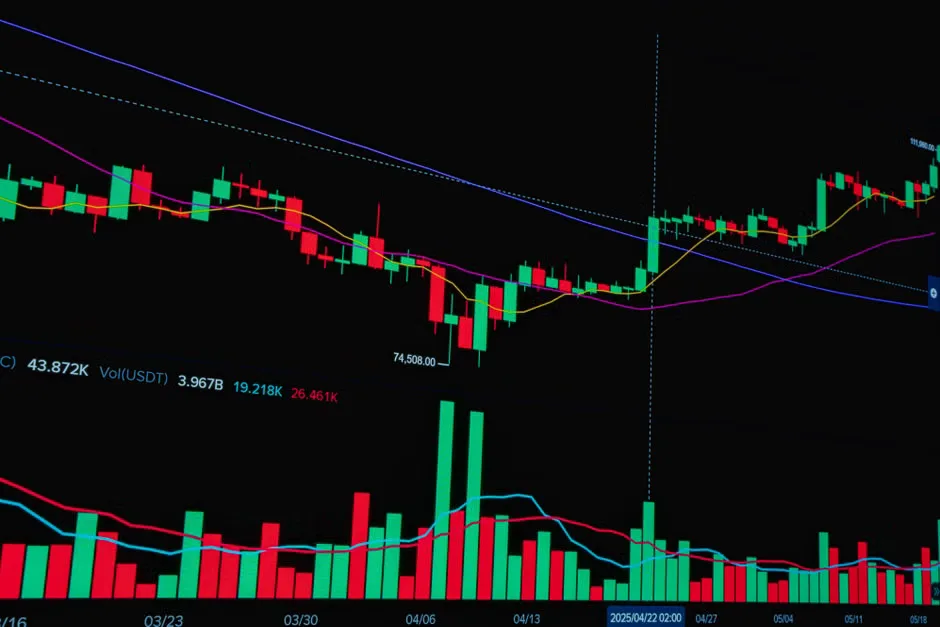

Strategy has offloaded approximately $109 million in Bitcoin, adding to a series of recent sell-offs by the firm as institutional demand for the cryptocurrency shows signs of weakening. The transaction occurred during a period marked by a seven-week hiatus in significant buying activity from major institutional players, according to market analysts tracking on-chain flows and exchange data. This latest move underscores a broader shift in sentiment among large holders who have been reducing exposure since early April.
The selling trend comes amid mixed signals in the broader cryptocurrency market, where Bitcoin has struggled to maintain momentum above key technical levels despite macroeconomic factors that traditionally support risk assets. Data from blockchain analytics firms indicate that institutional wallets linked to firms like Strategy have consistently moved Bitcoin to exchanges over the past month, a pattern often interpreted as preparation for sale. One analyst noted that the sustained absence of buying pressure has shifted market dynamics toward caution.
We are seeing a clear divergence between long-term holders and short-term traders, with institutions increasingly opting to lock in gains or reduce risk, said Lena Torres, senior digital assets analyst at MarketEdge Research. This isn’t panic selling, but a strategic reallocation based on valuation and macro outlook.
The seven-week buying pause represents one of the longest stretches of institutional sideline behavior since the 2022 market downturn. During this period, Bitcoin’s price has fluctuated within a narrow range, lacking the sustained upward pressure typically seen when large entities accumulate assets. Traders point to lingering uncertainty around interest rate policy, regulatory developments, and quarter-end portfolio rebalancing as contributing factors to the hesitation.
Despite the selling pressure, some market observers argue that the current price levels may present a selective opportunity for long-term investors, particularly if macroeconomic conditions stabilize. However, without a clear catalyst to reignite institutional demand, the market may continue to trade sideways or face further downside pressure. The balance between profit-taking and renewed accumulation will likely determine Bitcoin’s near-term trajectory.
Institutional involvement in cryptocurrency has grown significantly over the past three years, with firms like Strategy playing a notable role in shaping market liquidity and price discovery. Their actions are closely watched as barometers of broader confidence in digital assets as an asset class. While retail participation remains active, institutional flows often dictate medium-term trends due to the volume of capital involved.
Strategy Bitcoin Sales Impact Market Sentiment
The firm’s repeated sell-offs have contributed to a perception of weakening institutional conviction, even as Bitcoin’s underlying network activity remains robust. Hash rate continues to reach new highs, and developer activity on layer-2 solutions shows steady growth, suggesting that foundational strength persists despite short-term trading behavior. This disconnect between network health and price action is a recurring theme in maturing markets.
Looking ahead, market participants will be watching for signs of renewed buying interest, particularly around key technical levels or macroeconomic triggers such as inflation data or central bank announcements. Until then, the market may remain sensitive to large transfer events from known institutional wallets. Traders advise monitoring exchange inflows and over-the-counter desk activity for early signals of shifting sentiment.
Key questions