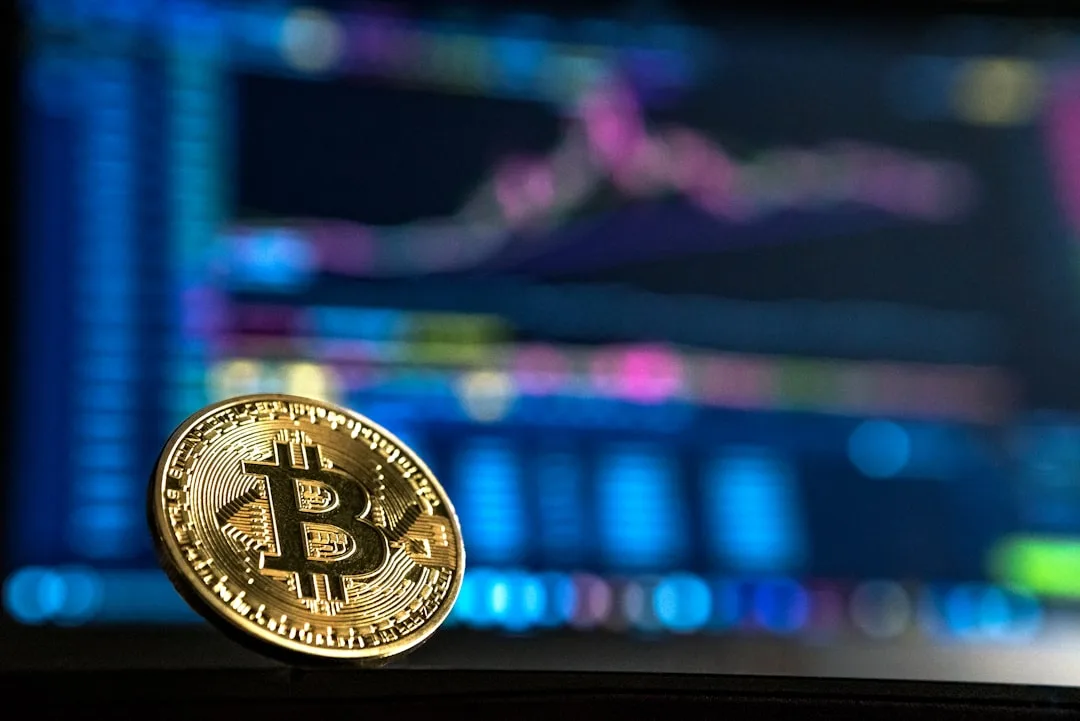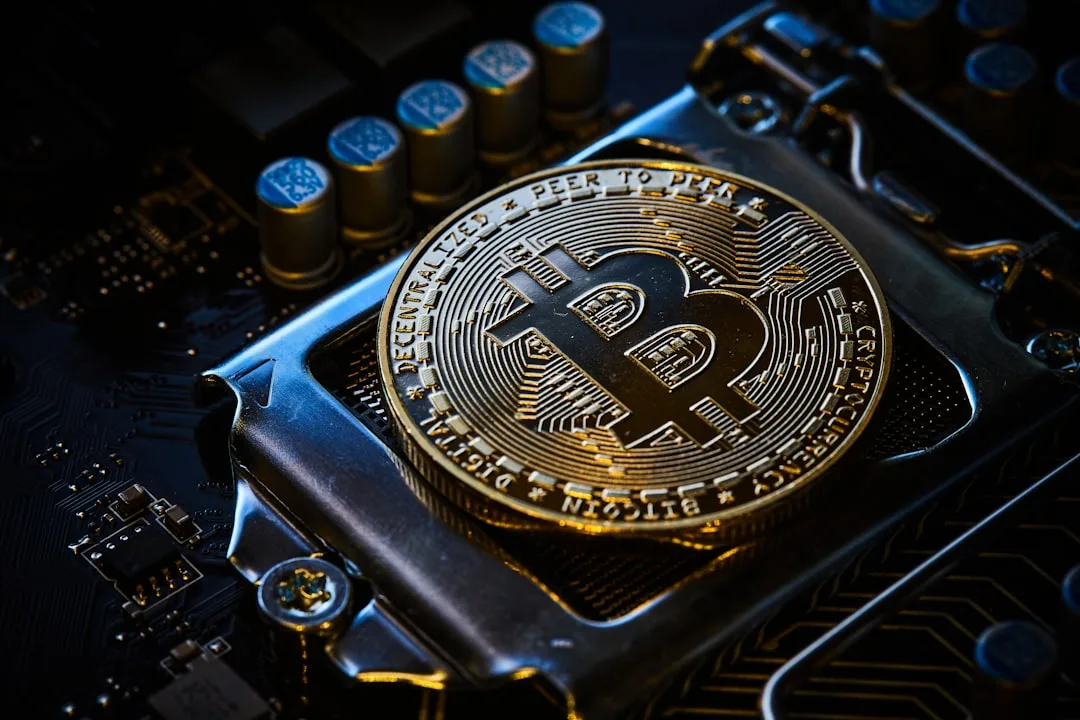
Bitcoin traders worldwide are observing an unexpected calm despite rising geopolitical tensions and regulatory pressure.
On August 4, 2026, market data shows the cryptocurrency’s price holding steady around $27,800 after weeks of volatility.
CoinDesk senior analyst Maria Lopez said the market’s steadiness reflects growing institutional confidence.
Bitcoin Market Outlook
The calm contrasts with heightened fear in traditional markets, where equity indices have swung sharply on inflation worries. Traders cite Bitcoin’s maturing infrastructure and increased custody solutions as reasons for reduced panic selling. Additionally, the upcoming halving event in 2028 is already priced into long‑term holdings.
Regulatory developments in the United States and Europe have introduced uncertainty, yet clear guidelines for stablecoins are fostering a safer environment for crypto trading. Market makers report tighter spreads and improved liquidity on major exchanges, supporting price stability. These factors together suggest that short‑term volatility may remain subdued unless a macro shock occurs.
Looking ahead, traders will monitor the Federal Reserve’s policy meeting later this month for any signals that could reignite risk appetite across asset classes. A break above $30,000 could trigger renewed buying interest, while a dip below $26,500 might test support levels.
Bitcoin, launched in 2009 by the pseudonymous Satoshi Nakamoto, remains the largest cryptocurrency by market capitalization and continues to influence broader digital asset trends.
Key questions
- Why is Bitcoin’s price calm despite market risks?
- Analysts point to lower volatility metrics and increased institutional participation as reasons for the steadiness. The cryptocurrency’s maturing infrastructure and clearer stablecoin guidelines also reduce panic selling. These factors together create a more resilient market environment.
- What could cause Bitcoin’s volatility to increase again?
- A sudden shift in monetary policy, major regulatory crackdowns, or significant macroeconomic shocks could reignite fear among traders. Additionally, large‑scale sell‑offs by whales or negative news about security breaches might trigger rapid price swings. Until such events occur, the current calm may persist.