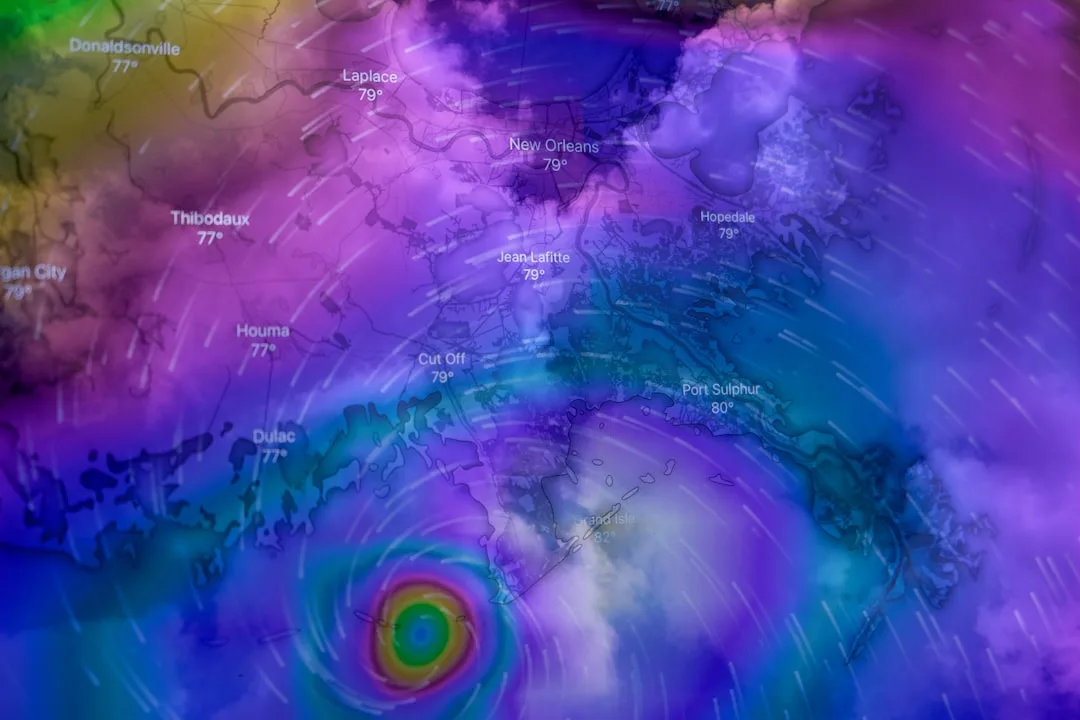
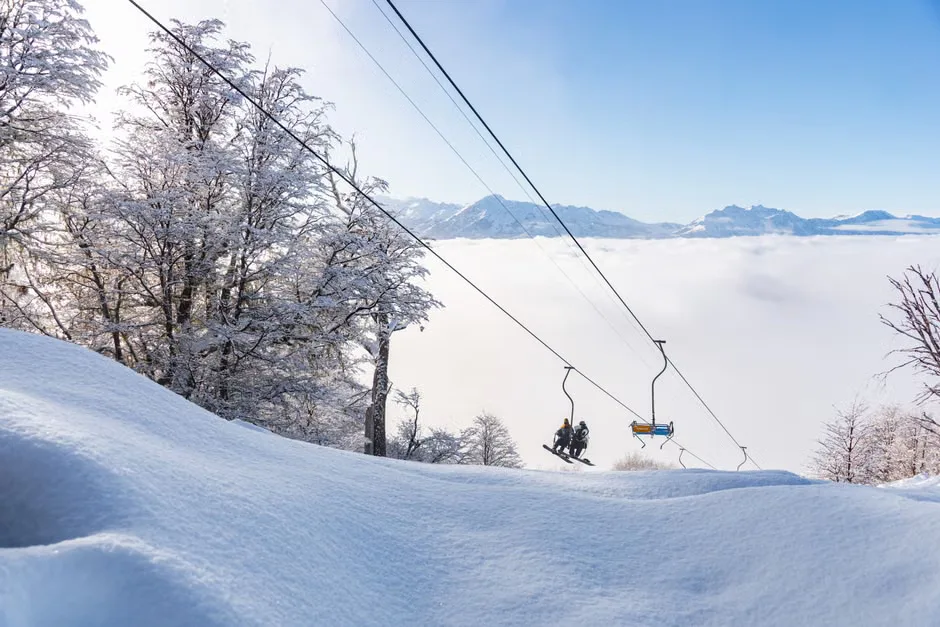
The United States is bracing for a record El Niño ski season, with Google Trends data indicating which states will benefit from the extreme weather phenomenon and which will struggle. According to the data, states in the western United States, such as California and Oregon, are expected to see a significant increase in snowfall, making them prime destinations for skiers and snowboarders.
However, states in the eastern United States, such as Florida and Texas, are expected to experience a drought, with little to no snowfall. This has significant implications for the ski industry, with resorts in these states potentially losing millions of dollars in revenue.
The data is clear: states in the western United States will benefit from the El Niño phenomenon, while states in the eastern United States will struggle, said a spokesperson for Google Trends. This is a critical time for the ski industry, and we expect to see a significant impact on resorts and businesses across the country.
Analysis of the data reveals that states with high snowfall totals in previous El Niño events are more likely to benefit from the current phenomenon. This includes states such as Colorado, Utah, and Wyoming, which have seen significant increases in snowfall during previous El Niño events.
On the other hand, states with low snowfall totals in previous El Niño events are more likely to struggle. This includes states such as Florida, Texas, and Louisiana, which have seen little to no snowfall during previous El Niño events.
The record El Niño ski season is expected to have a significant impact on the ski industry, with resorts and businesses across the country feeling the effects. As the season progresses, it will be interesting to see how the data plays out and which states ultimately benefit and struggle.
El Niño Ski Season: A Game-Changer for the Industry
The El Niño phenomenon is a complex weather pattern that occurs when the surface temperature of the Pacific Ocean warms up, leading to changes in the atmospheric circulation. This, in turn, affects the weather patterns across the globe, leading to extreme weather events such as droughts and heavy rainfall.
The impact of the El Niño phenomenon on the ski industry is significant, with resorts and businesses across the country feeling the effects. The data from Google Trends indicates that states in the western United States will benefit from the phenomenon, while states in the eastern United States will struggle.
As the season progresses, it will be interesting to see how the data plays out and which states ultimately benefit and struggle. One thing is certain, however: the record El Niño ski season will be a game-changer for the industry.
Key questions
- What is the El Niño phenomenon?
- The El Niño phenomenon is a complex weather pattern that occurs when the surface temperature of the Pacific Ocean warms up, leading to changes in the atmospheric circulation.
- How will the El Niño phenomenon affect the ski industry?
- The El Niño phenomenon is expected to have a significant impact on the ski industry, with resorts and businesses across the country feeling the effects.