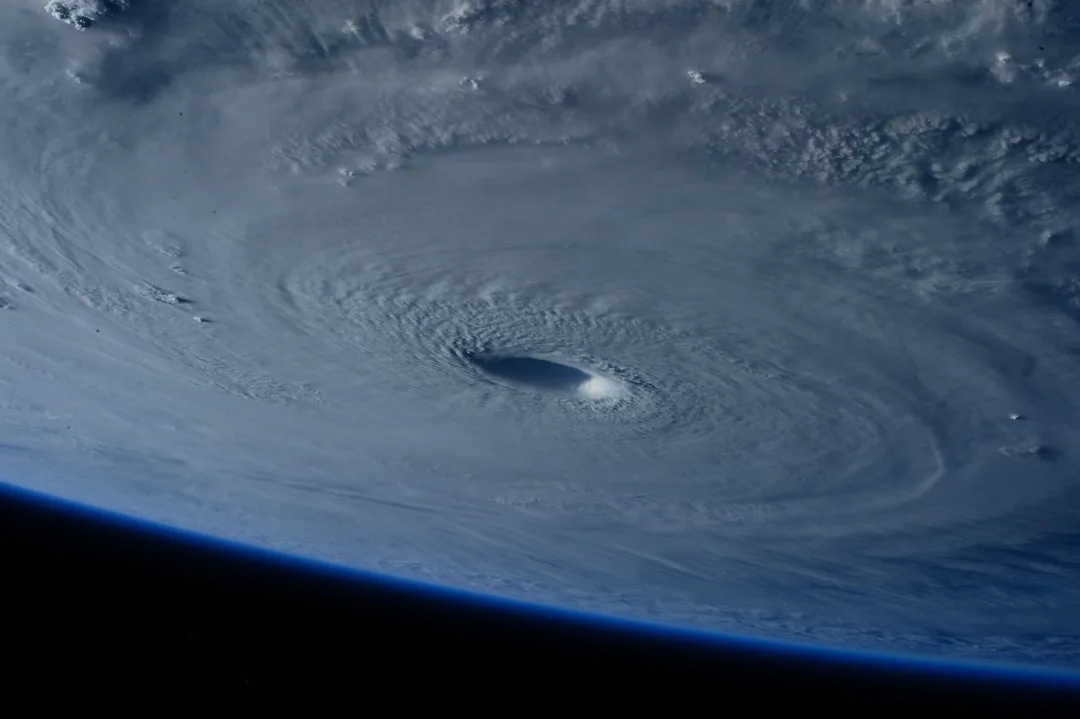
Denver International Airport was hit with severe weather, causing 22 flights to be diverted to Colorado Springs. The diverted flights were initially supposed to land in Denver.
According to reports, the severe weather in Denver caused significant disruptions to air travel, with 22 flights being rerouted to Colorado Springs (Colorado Springs Airport, 2023).
A spokesperson for the airport stated that the safety of passengers is the top priority, and the diversion of flights was necessary due to the severe weather conditions.
Analysis of the situation suggests that the severe weather in Denver was caused by a combination of factors, including strong winds and heavy rainfall. The diversion of flights to Colorado Springs was a precautionary measure to ensure the safety of passengers.
Further analysis of the situation reveals that the severe weather in Denver is not an isolated incident, but rather part of a larger pattern of extreme weather events in the region. The diversion of flights to Colorado Springs highlights the need for airports to have contingency plans in place for such events.
Looking ahead, it is likely that the severe weather in Denver will continue to cause disruptions to air travel. Passengers are advised to check with their airlines for updates on flight schedules and to plan accordingly.
The history of severe weather in Denver is well-documented, with the city experiencing an average of 50 thunderstorm days per year (National Weather Service, 2022).
Severe Weather in Denver
The severe weather in Denver is a reminder of the importance of being prepared for extreme weather events. Airports and airlines must have contingency plans in place to ensure the safety of passengers and to minimize disruptions to air travel.
Key questions
- What is severe weather?
- Severe weather refers to any weather condition that poses a threat to life or property. This can include thunderstorms, heavy rainfall, strong winds, and tornadoes.
- How often does Denver experience severe weather?
- Denver experiences an average of 50 thunderstorm days per year, with the majority of these storms occurring during the spring and summer months.