Your new customer just handed over their money. Now what? For many small businesses, that excitement quickly turns into silence. You send a receipt, maybe a welcome email, and then you move on to the next sale. But that quiet gap between purchase and actual usage is where customers get lost. If they don't know how to get value from your product, they'll get frustrated, stop using it, and eventually cancel.
A solid customer onboarding process solves this. It turns a timid new buyer into a confident, loyal user. In this article, you'll get a step-by-step template you can adapt for your own small business—no complicated software or marketing team required.
Why Your Small Business Needs a Customer Onboarding Process
Onboarding is the process of helping a new customer understand your product, see its value, and integrate it into their daily life. It starts the moment they buy and extends until they reach their first meaningful success. For a small business, this is not a luxury—it's survival.
Poor onboarding leads to confusion, low usage, and churn. Your customer might have been excited about your service, but if they can't figure out how to use it, they'll blame you. On the other hand, a great onboarding experience makes customers feel supported, confident, and eager to tell others about you.
The Step-by-Step Customer Onboarding Template
This template is built for small businesses with limited resources. You can scale it up or down based on your product and the number of customers you handle. Follow these seven steps in order.
Step 1: Set Clearly Defined Onboarding Goals
Before you start guiding customers, know where you're leading them. Ask yourself: What does a successful onboarding look like for your customer? For a SaaS tool, it might be that they create their first project. For a coaching service, it might be that they complete their first lesson. Write down your goals for both the customer and your business.
- Customer goal: The specific outcome they want to achieve with your product.
- Business goal: A measurable milestone that indicates the customer is valuable, like activation or a long-term subscription.
For example, if you run a meal kit delivery service, your customer goal is that they successfully cook their first meal. Your business goal is that they place a second order. Keep these goals simple and trackable.
Step 2: Map the Customer Journey from Purchase to Aha Moment
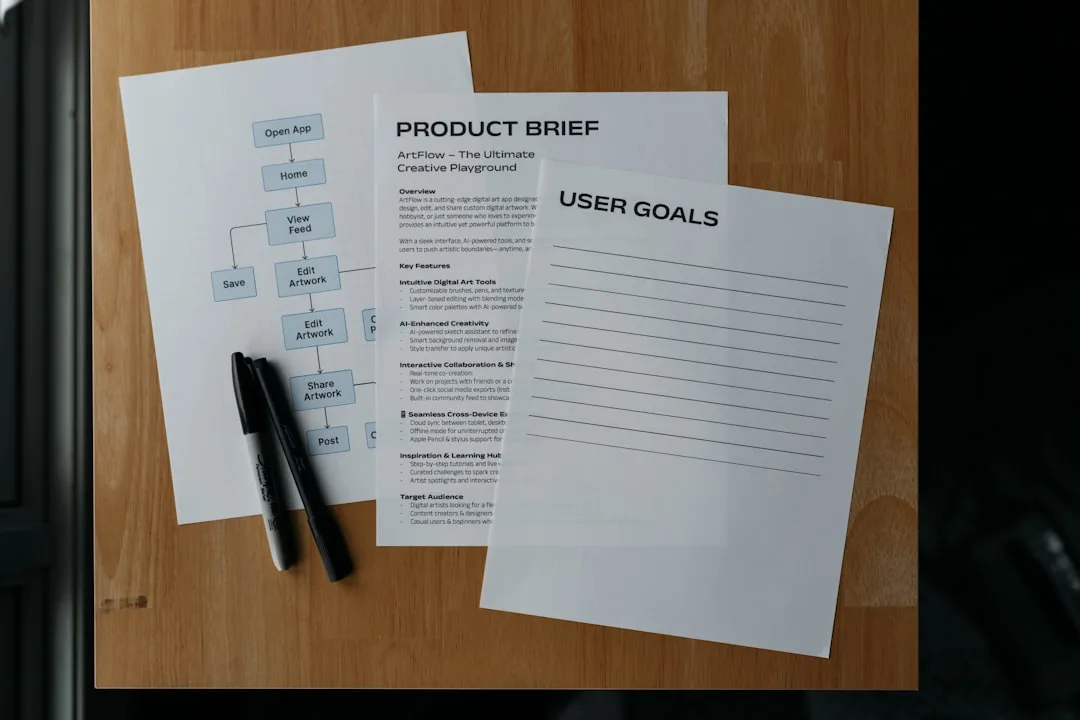
Now that you have your goals, map out the exact steps your customer needs to take to reach them. Think like a beginner. What do they need to do first? What information do they need at each stage? Create a simple visual or a list that shows the journey.
Here's a basic journey map for an online course:
- Purchase confirmation email with access details
- Log into the course platform
- Complete the welcome module
- Finish the first lesson
- Submit the first assignment
Write down these steps for your own business. You'll use this map to build your welcome materials and communication.
Step 3: Build a Welcome Email Sequence
Email is the backbone of most small business onboarding. A well-crafted welcome sequence guides your customer through the first few days. Don't send one giant manual. Instead, send a series of short, helpful emails that gradually introduce your product.
Here's a sample timeline:
- Day 0 (Immediately after purchase): Confirmation email with next steps and a thank-you.
- Day 1: Welcome email with a quick-start guide or video.
- Day 2: Case study or example showing how a customer uses your product.
- Day 3: Time-saving tips or advanced features.
- Day 7: Check-in email with a survey or a request for feedback.
Keep the tone friendly and encouraging. Address the customer by name and focus on their benefits, not your features.
Step 4: Schedule a Kickoff Call or Product Walkthrough
For higher-priced products or services, a live walkthrough can make a huge difference. It's your chance to build a relationship and clear up any confusion in real time. If you're a one-person business, don't skip this step—it's worth the time.
At the end of your welcome email, offer a slot for a 15-minute call. During the call:
- Introduce yourself and your role.
- Ask about their goals and current challenges.
- Show them how to get started with your product, using their real project.
- End with a clear next step.
Even if you only have a handful of customers, this personal touch sets a tone of care that reduces churn.
Step 5: Provide Easy Access to Training and Support
Your customers need a place to find answers on their own. You don't have to build a huge knowledge base overnight. Start small:
- A short video walkthrough of the core features.
- A one-page cheat sheet with important steps.
- A FAQ document with common issues.
- A shared folder or a dedicated section on your website.
Make sure these resources are easy to find. Link to them from your welcome emails and your website's login page. You can also create a simple customer portal where they can access everything in one place.
Step 6: Ask for Feedback and Adjust
Feedback is critical for improving your onboarding. Don't guess at what your customers need—ask them. A simple survey after the first week can reveal where they're stuck and what you're doing right.
Use a tool like Google Forms or Typeform to ask questions like:
- How was your first week with our product?
- Was it easy to get started?
- What do you still need help with?
- What's the biggest obstacle you've faced?
You can also send a follow-up email after their first month to see if they're still engaged. Act on the feedback you receive. If three customers mention the same frustation, fix it.
Step 7: Track and Improve Your Onboarding Metrics
What gets measured gets improved. Pick two or three metrics that matter most for your business and review them monthly.
- Activation rate: The percentage of new customers who complete a key action (like setting up their account or making their first sale).
- Time to first value: How long it takes a customer to get their first meaningful result. This should be as short as possible.
- Churn rate: The percentage of customers who cancel within a give period. Track this for new customers specifically.
If your activation rate is low, revisit your email sequence or kickoff call. If time to first value is long, simplify your process or add more guidance. The goal is continuous improvement.
The Onboarding Process Template: A Handy Checklist
Here's a table you can copy and adapt for your own business. Fill in the blank columns to create your own template.
| Stage | Action | Responsible Person | Tools / Materials |
|---|---|---|---|
| 1. Goals | Define success metrics for customer and business | Business owner | Notepad or spreadsheet |
| 2. Journey Map | List the steps from purchase to aha moment | Business owner + team | Whiteboard or document |
| 3. Welcome Emails | Draft and schedule a sequence of 3-5 emails | Marketing / owner | Email platform (e.g., Mailchimp, ConvertKit) |
| 4. Kickoff Call | Book and conduct a 15-min welcome call | Owner or account manager | Calendar, Zoom or phone |
| 5. Training Hub | Create and share a help center or one-page guides | Product / support | Google Drive, Notion, or a course platform |
| 6. Feedback | Send surveys after 1 week and 1 month | Support / owner | Online survey tool |
| 7. Metrics | Track activation, time to value, and churn | Business owner | Analytics dashboard or spreadsheet |
Print this out or keep it in your project management tool. It'll remind you and your team what to do every time a new customer comes on board.
Frequently Asked Questions
How long should a customer onboarding process last?
It depends on your product. For a simple SaaS tool, it might be a few days. For a service like consulting, it could be a month. The rule is simple: your onboarding should last until the customer reaches their first success milestone—the 'aha' moment. That's when they truly understand how much value you offer.
What's the difference between onboarding and training?
Onboarding is bigger than training. Training focuses on teaching the features and how they work. Onboarding also includes welcome content, relationship building, setting expectations, and guiding the customer toward their goals. Training is just one part of the onboarding experience.
How do I know if my onboarding is working?
Watch your metrics. If customers are completing the key actions you've set (like using a core feature), and they stick around, your onboarding is working. Also listen to verbal and written feedback. If customers say they're confused or don't know what to do, you have work to do.
Can I automate my onboarding process?
Absolutely. Email sequences, automated logins, and scheduled touchpoints can do a lot of the work. But don't automate away the human touch. A personal phone call or a personalized video goes a long way in building loyalty. Use automation to save time, and reserve a personal touch for the most valuable customers.
Key Takeaways
- Customer onboarding starts the moment someone pays you, not a week later.
- Define what success looks like for your customer, then design a roadmap to it.
- Use a mix of automated email sequences and personal interactions like a kickoff call.
- Create simple, accessible training materials so customers can help themselves.
- Collect feedback early and often, and use it to improve your onboarding continually.
- Track metrics like activation rate and time to first value to know what's working.