Your best customers already love you. But are they telling their friends? A customer referral program turns that silent appreciation into a steady stream of new business. Yet many small business owners skip this powerful growth tool because they don't know where to start.
This guide walks you through every step to create a customer referral program for your small business. You'll learn how to design, launch, and optimize a system that rewards your biggest fans and attracts quality leads.
Why Your Small Business Needs a Referral Program
Referral customers are more loyal, spend more, and cost less to acquire than any other channel. Instead of spending money on ads that may or may not work, you invest in relationships that already exist.
A well-designed program turns one sale into multiple sales. It builds community and trust. And it makes your customers feel appreciated—which encourages them to keep coming back.
Step 1: Define Your Goals
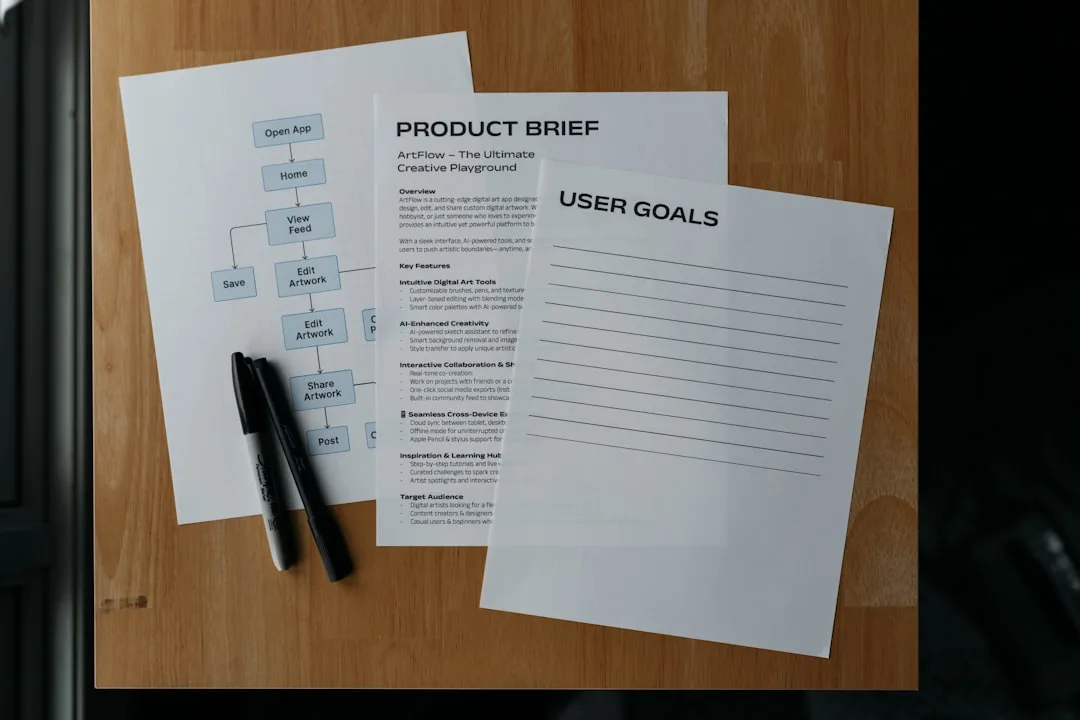
Before you create a referral program, know what you want to achieve. Common goals include:
- Increase new customer acquisition by a specific percentage
- Reduce customer acquisition cost
- Reward loyal customers and increase retention
- Generate more word-of-mouth marketing
Write down your primary goal. Keep it measurable so you can track success later.
Step 2: Choose Your Incentives
The heart of any referral program is the reward. You need something valuable enough to motivate action but sustainable for your business. Options include:
- Discounts: 10% off next purchase, $25 credit
- Free products or services: One free month, a gift with purchase
- Cash or gift cards: Straightforward and flexible
- Points or loyalty perks: Good if you already have a loyalty program
Double-Sided Rewards Work Best
Reward both the referrer and the new customer. This creates a win-win. For example, give the referrer a $20 credit and the new customer 15% off their first order. Both parties feel motivated to participate.
Test different reward amounts to see what works. Start small and increase if needed.
Step 3: Decide on the Program Structure
You can run a referral program in several ways. Choose the one that fits your business model:
- One-time referral: Customers refer someone and get a reward once per referral.
- Tiered rewards: Reward customers more for multiple referrals (e.g., after 5 referrals, get a bigger bonus).
- Open-ended: Customers can refer as many as they want, earning rewards each time.
For most small businesses, a simple one-time or open-ended program is easiest to manage.
Step 4: Create a Simple Process
The easier it is to refer, the more people will do it. Your process should be:
- Make it easy to share: Provide a unique referral link or code that customers can copy and share via email, text, or social media.
- Automate tracking: Use referral software (like ReferralCandy, Yotpo, or a simple spreadsheet if you're small) to track referrals and rewards.
- Clearly communicate: Explain how the program works in one or two sentences. Include details on what the reward is and how to claim it.
Consider a landing page dedicated to your referral program. Include a short video or graphic explaining the steps.
Step 5: Promote Your Program
Your program won't work if nobody knows about it. Promote it through multiple channels:
- Email: Send a dedicated announcement to your list. Follow up periodically.
- Website: Add a banner or pop-up, and include a referral page in your navigation.
- Social media: Post about it regularly. Encourage customers to share their referral link.
- In-person/over the phone: Train your staff to mention the program after a purchase or service.
- Receipts/invoices: Print a short call-to-action on receipts or include it in the email receipt.
Don't just announce once. Remind customers at key touchpoints—after a great experience, on a milestone (like a birthday), or during seasonal promotions.
Step 6: Track and Optimize
Once your program is live, monitor its performance. Key metrics to track:
- Number of referrals made
- Conversion rate of referred leads
- Cost per acquisition through referrals
- Lifetime value of referred customers
Use this data to tweak your incentives, improve your messaging, and simplify the process. If you're not getting many referrals, consider increasing the reward or making it easier to share.
Survey your customers to learn what would motivate them to refer more. Sometimes a small change can have a big impact.
Step 7: Say Thank You
Appreciation goes a long way. Send a personal thank-you note (email or handwritten) when someone makes a referral. Consider featuring top referrers on your website or social media (with permission). This builds goodwill and encourages continued participation.
A simple "thank you" can turn a one-time referrer into a loyal advocate.
Common Mistakes to Avoid
- Making it complicated: If customers have to fill out forms or jump through hoops, they won't bother. Keep it simple.
- Rewards that are too low: A 5% discount may not motivate action. Test higher rewards.
- Not following up: If a customer refers someone, make sure they receive their reward promptly. Delay kills enthusiasm.
- Ignoring existing customers: Your best referrers are often your most loyal customers. Don't focus only on new ones.
FAQ
What is the best reward for a customer referral program?
The best reward is one that is valuable to your customers. Common options include discounts, store credit, free products, or cash. Test different rewards to see what resonates with your audience.
How do I track referrals manually?
If you have a small customer base, you can track referrals using a simple spreadsheet. Record the referrer's name, the referred person's name, and the reward given. As you grow, consider using referral software to automate tracking and reward distribution.
Should I reward the referrer only or both parties?
Rewarding both the referrer and the new customer is more effective. It gives the new customer an immediate incentive to make their first purchase, which increases conversion rates.
How do I promote my referral program without being pushy?
Frame the program as a way to share something they love. Use language like "Share the love" or "Give your friends a special offer." Remind customers that they can help friends discover a great product or service while earning a reward.
Key Takeaways
- A well-designed referral program turns satisfied customers into a growth engine.
- Start with a clear goal and choose incentives that motivate action.
- Keep the referral process simple and automate tracking when possible.
- Promote your program consistently across all customer touchpoints.
- Track key metrics and optimize rewards and messaging over time.
- Always thank your referrers to build lasting loyalty.