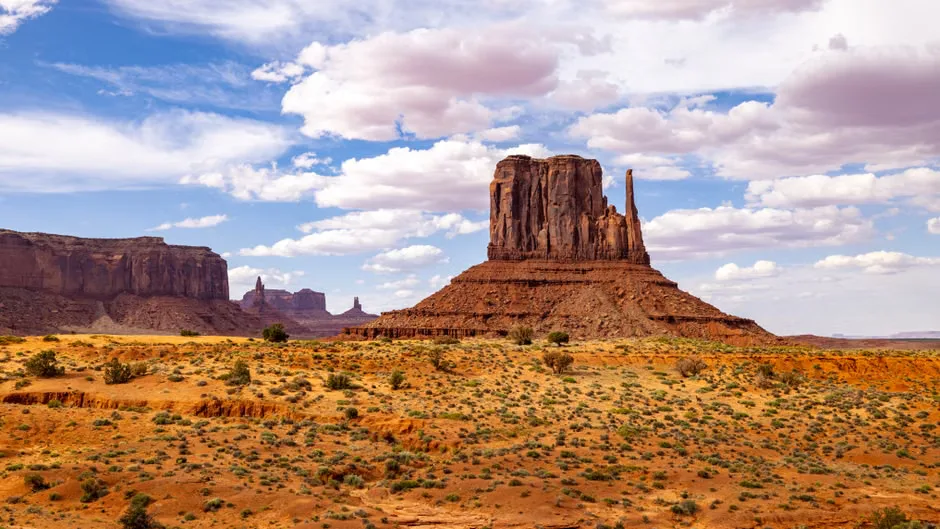
A powerful heat wave is expected to grip parts of the West, with temperatures forecast to climb as high as 117 degrees in some desert communities and dangerous heat spreading across a broader swath of the region.
The hottest conditions are expected in lower-elevation areas of the Desert Southwest, where triple-digit heat is common in summer but can still become life-threatening when it persists for several days. Interior California, southern Nevada, Arizona and portions of Utah and New Mexico could see some of the highest readings, while surrounding areas may face elevated heat risk even at lower temperatures.
Dangerous heat builds in the West
Forecasters are warning that the combination of extreme afternoon highs and warm overnight lows can increase stress on the body, especially for people without reliable air conditioning. When nighttime temperatures remain high, homes, streets and vehicles may not cool enough to allow people to recover from daytime heat exposure.
Heat advisories and excessive heat warnings are typically issued when conditions are expected to pose a threat to health. Residents in affected areas are urged to drink water regularly, avoid strenuous outdoor activity during the hottest part of the day and move to air-conditioned spaces when possible. Officials also recommend checking on older adults, young children, outdoor workers and people with chronic health conditions.
Even short periods in extreme heat can be dangerous. Cars can become deadly within minutes, and pets should not be left in vehicles or on hot pavement. Outdoor workers and athletes face higher risk of heat exhaustion or heat stroke, conditions that can worsen quickly without cooling and medical attention.
Signs of heat exhaustion include heavy sweating, dizziness, weakness, nausea and headache. Heat stroke is more severe and may include confusion, loss of consciousness or a very high body temperature. Emergency medical help should be sought immediately if heat stroke is suspected.
Wildfire and power concerns may rise
The heat is also expected to raise concerns about power demand as air conditioners run for extended periods. Utilities in some areas may ask customers to conserve energy during peak hours if the grid comes under strain. Simple steps such as closing blinds, using fans safely and delaying use of major appliances can help reduce demand.
Hot, dry and windy conditions can also heighten wildfire danger, particularly in areas with dry grass and brush. Fire officials often urge residents to avoid activities that can spark fires, including dragging trailer chains, parking on dry vegetation or using outdoor equipment during the hottest and driest parts of the day.
While the West is accustomed to summer heat, extreme events are becoming more dangerous as heat waves last longer and nighttime temperatures rise. Forecasters said people in affected areas should monitor local alerts closely, as conditions can vary sharply by elevation and distance from the coast.
Key questions
- How hot could the western heat wave get?
- Some lower-elevation desert areas are forecast to reach up to 117 degrees, while many other communities across the West could see dangerous triple-digit heat.
- Who is most at risk during extreme heat?
- Older adults, young children, outdoor workers, athletes, people without air conditioning and those with chronic health conditions face higher risk during prolonged extreme heat.