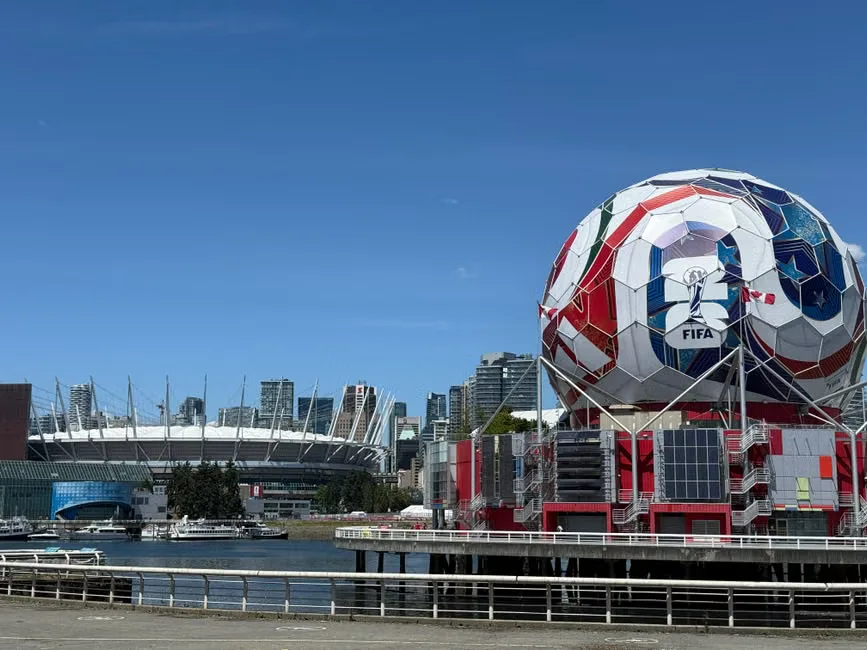
MIAMI — Extreme heat is forecast for the World Cup quarterfinal between Norway and England, adding a weather challenge to one of the tournament’s marquee knockout matches in South Florida.
High temperatures and humidity are expected to make conditions feel significantly hotter than the thermometer reading, a familiar summer pattern in Miami but one that can create added strain during elite competition. The forecast has put attention on hydration, recovery time and heat management for players, referees, stadium workers and fans attending the match.
Organizers and teams typically monitor heat index readings, field-level conditions and medical guidance before and during matches. If conditions reach certain thresholds, officials may use cooling breaks, adjust warmup routines or increase medical staffing around the venue. Any decision on match procedures would depend on conditions closer to kickoff and competition rules.
Heat index could be a key factor
The main concern is not only air temperature but also the heat index, which combines temperature and humidity to estimate how hot it feels to the human body. In humid conditions, sweat evaporates less efficiently, making it harder for the body to cool itself. That can increase the risk of heat exhaustion, cramping and dehydration, particularly during prolonged exertion.
For players, the conditions may influence the pace of the match. Teams could rotate pressing patterns, slow restarts when possible and place greater emphasis on in-game fluid intake. Substitution strategy also may become more important, especially if the match is played at a high tempo or extends into extra time.
England and Norway are both accustomed to cooler soccer climates, though many players compete for clubs across Europe and have experience in summer tournaments. Still, Miami’s combination of sun, humidity and limited wind can create an environment unlike many regular-season venues.
Fans urged to prepare before kickoff
Supporters heading to the stadium are being encouraged to plan for hot weather. Standard precautions include drinking water before arrival, wearing light clothing, using sunscreen, limiting alcohol consumption and seeking shade when available. Fans with health conditions, older adults and young children can be more vulnerable during extreme heat and may need additional care.
South Florida regularly faces heat advisories during the summer, and local officials often remind residents and visitors that symptoms such as dizziness, nausea, confusion, heavy sweating or rapid heartbeat should be taken seriously. Anyone experiencing severe symptoms should seek medical help immediately.
Weather has become a growing issue for global sports events as tournaments expand into warmer regions and summer heat becomes more intense. Governing bodies have faced increasing pressure to account for player welfare, kickoff times and fan safety when scheduling major matches.
The quarterfinal is still expected to proceed, but the forecast ensures that conditions off the ball will be closely watched. For both teams, adapting to Miami’s heat could become as important as tactics, possession and finishing in determining who advances.
Key questions
- Why is the Norway-England match weather a concern?
- The forecast calls for extreme heat and humidity in Miami, which can increase the risk of dehydration, heat exhaustion and fatigue for players, staff and fans.
- Can World Cup matches include cooling breaks?
- Cooling breaks may be used when heat conditions meet competition guidelines, but decisions depend on official rules and readings taken near match time.