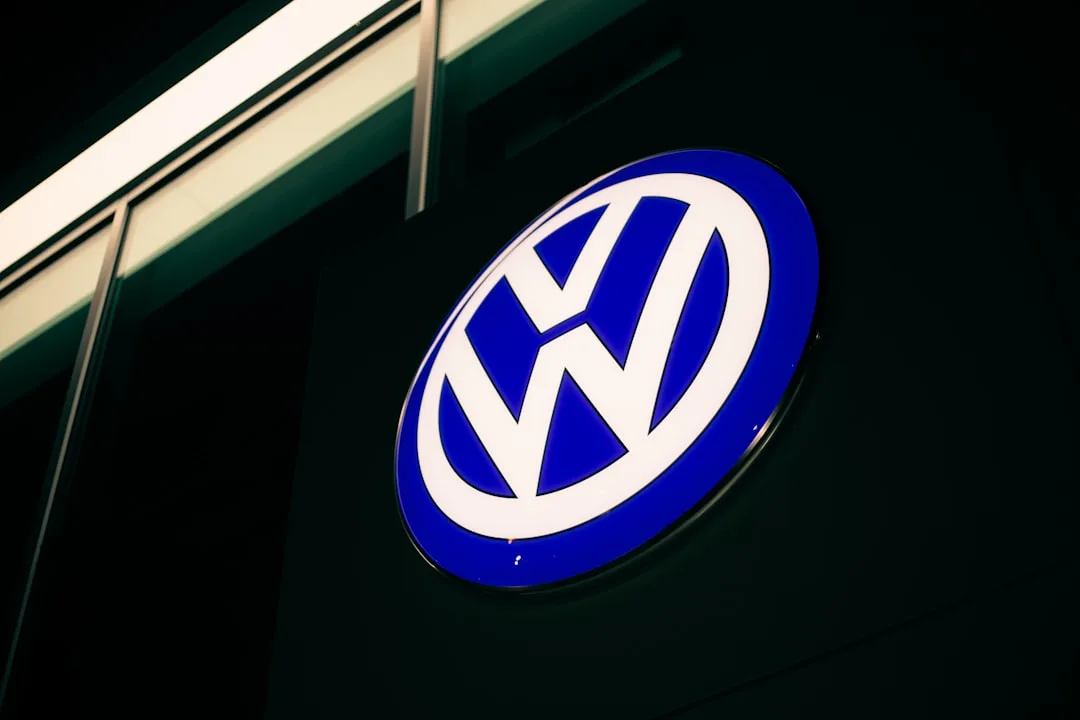
Volkswagen CEO Oliver Blume has warned employees that the German automaker may need to eliminate another 50,000 jobs as management seeks to cut costs and steady profitability amid mounting pressure in key markets.
The remarks, reported by Reuters and echoed by other outlets, underscore the scale of the challenge facing Europe’s largest carmaker. Volkswagen is grappling with softer demand in parts of Europe, intensifying competition in China and the heavy spending required to expand its electric-vehicle lineup while protecting margins.
Blume’s comments come as the company continues to weigh broad restructuring options. Reports have suggested Volkswagen is considering sharp reductions across parts of its product range and looking for additional savings beyond measures already announced. The effort reflects a wider industry shift as traditional automakers race to streamline operations and free up capital for software, battery and EV investments.
At the same time, labor and political sensitivities remain high in Germany, where plant closures and workforce reductions often trigger strong resistance from unions and worker representatives. According to reports, Volkswagen’s board has pushed back on some of the most drastic proposals, including possible plant shutdowns, increasing pressure on management to find what Blume has described as “smarter solutions.”
Those alternatives could include attrition, voluntary departures, productivity gains, simplified manufacturing and a narrower model lineup. Any large-scale reduction would still mark a significant escalation in Volkswagen’s turnaround efforts and could affect operations across multiple brands in the group.
Investors and analysts have been closely watching Volkswagen’s response to a rapidly changing market. In China, local automakers have gained ground with lower-priced EVs and fast product cycles, squeezing foreign brands that once dominated the market. In Europe, demand for battery-powered vehicles has been uneven, while inflation, financing costs and slower economic growth have weighed on consumers.
Volkswagen also faces the difficult task of balancing near-term savings with long-term competitiveness. Deep cuts can support profitability, but they may also risk disrupting product development, labor relations and brand positioning if executed too aggressively. For a group with a sprawling portfolio and a large manufacturing base, the path to lower costs is likely to be politically and operationally complex.
No final decision on the full scale or timing of any additional cuts was clear from the reports. Still, Blume’s warning signals that Volkswagen sees the current pressure as more than temporary and believes tougher action may be necessary.
The company’s next steps will be closely scrutinized by workers, investors and policymakers alike, as Volkswagen tries to prove it can reshape its cost base without undermining its industrial footprint or future growth plans.
Key questions
- Why is Volkswagen considering more job cuts?
- Volkswagen is facing rising cost pressure, tougher competition in China, uneven electric-vehicle demand and the need to fund major investments in EVs, batteries and software.
- Has Volkswagen confirmed the full 50,000 additional cuts?
- Reports say the CEO warned staff that cuts on that scale may be needed, but final decisions on the total number, timing and scope were not clear.