
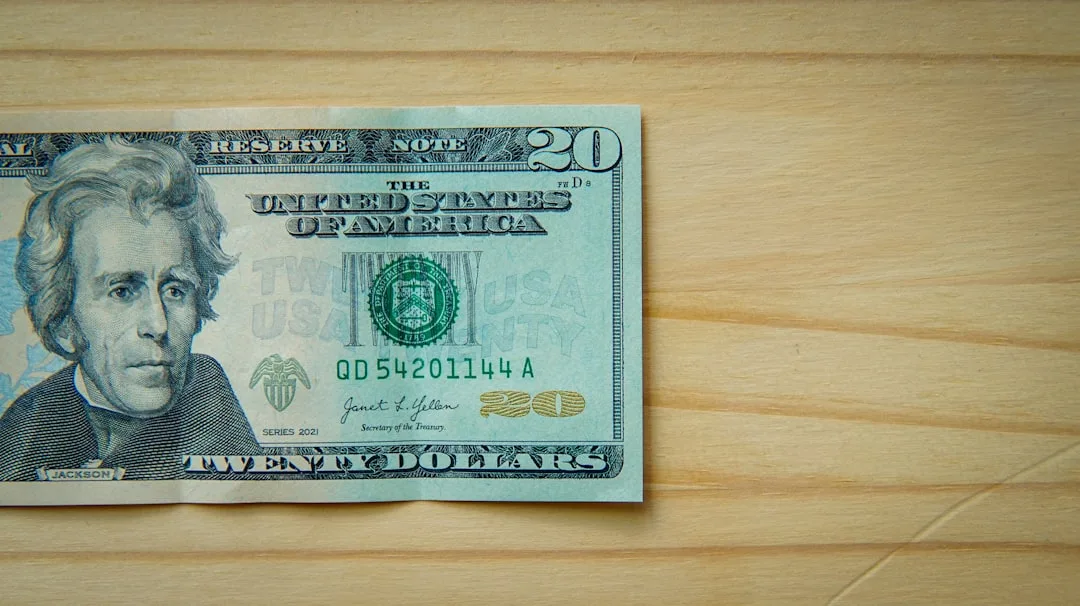
The US Treasurys surprise move to buy yen has sent shockwaves through global markets, marking a significant shift in US economic policy. Scott Bessent, the US Treasurys top currency trader, has long been a proponent of currency activism, and his latest move is seen as a bold bet on Japan's economy.
According to analysts, the US Treasury's intervention is a response to Japans efforts to weaken its currency and boost exports. The move is also seen as a signal of the USs growing willingness to use its economic might to shape global markets.
This is a new era of currency activism, said a senior economist at a leading financial institution. The US is no longer content to simply sit back and let markets dictate the value of its currency. It's taking a more active role in shaping the global economy.
The implications of the US Treasury's move are far-reaching, with potential consequences for global trade, inflation, and economic growth. As the world's largest economy, the US has a significant impact on global markets, and its currency policies have far-reaching implications for businesses and investors around the world.
Currency Activism
The US Treasury's move to buy yen is a key example of currency activism, a strategy that involves using economic policy to influence the value of a country's currency. This approach has been used by several countries in the past, including Japan, which has long been a proponent of currency manipulation.
However, the US Treasury's move is seen as a departure from traditional economic policy, and has raised concerns among some economists and investors. This is a risky strategy, said a leading economist. The US is playing with fire by intervening in the yen market. If it doesn't work, it could have serious consequences for the global economy.
Despite the risks, the US Treasury's move is seen as a bold bet on Japans economy, which has been struggling in recent years. The move is also seen as a signal of the USs growing willingness to use its economic might to shape global markets.
As the worlds largest economy, the US has a significant impact on global markets, and its currency policies have far-reaching implications for businesses and investors around the world. The US Treasurys move to buy yen is a key example of this, and highlights the complex and often unpredictable nature of global economic policy.
The future of currency activism remains uncertain, but one thing is clear: the US Treasury's move to buy yen has sent shockwaves through global markets, and will have far-reaching implications for businesses and investors around the world.
The US Treasury's decision to intervene in the yen market is a response to Japans efforts to weaken its currency and boost exports. The move is also seen as a signal of the USs growing willingness to use its economic might to shape global markets.
Key questions
- What is currency activism?
- Currency activism is a strategy that involves using economic policy to influence the value of a country's currency.
- Why did the US Treasury intervene in the yen market?
- The US Treasury intervened in the yen market in response to Japan's efforts to weaken its currency and boost exports.