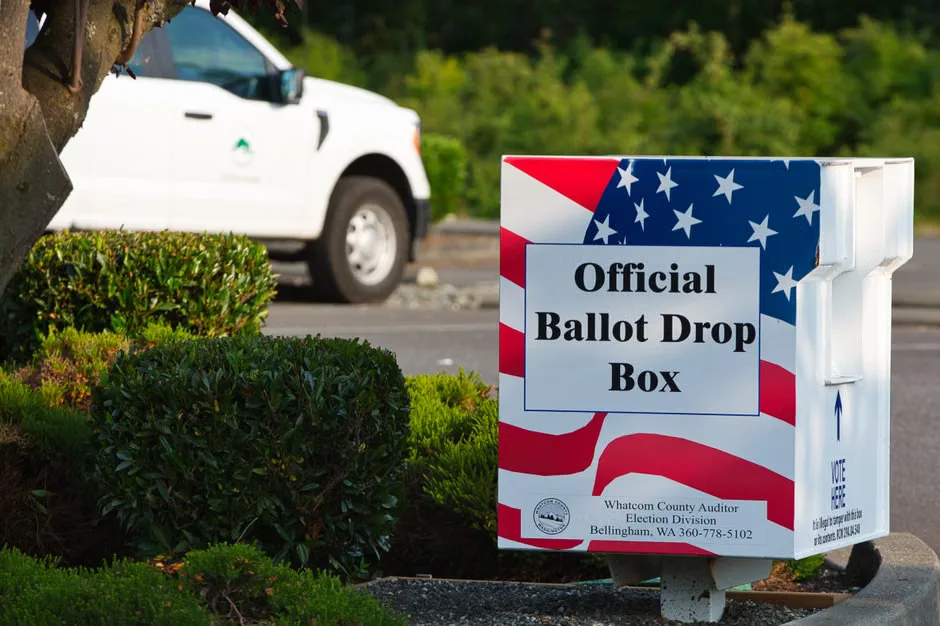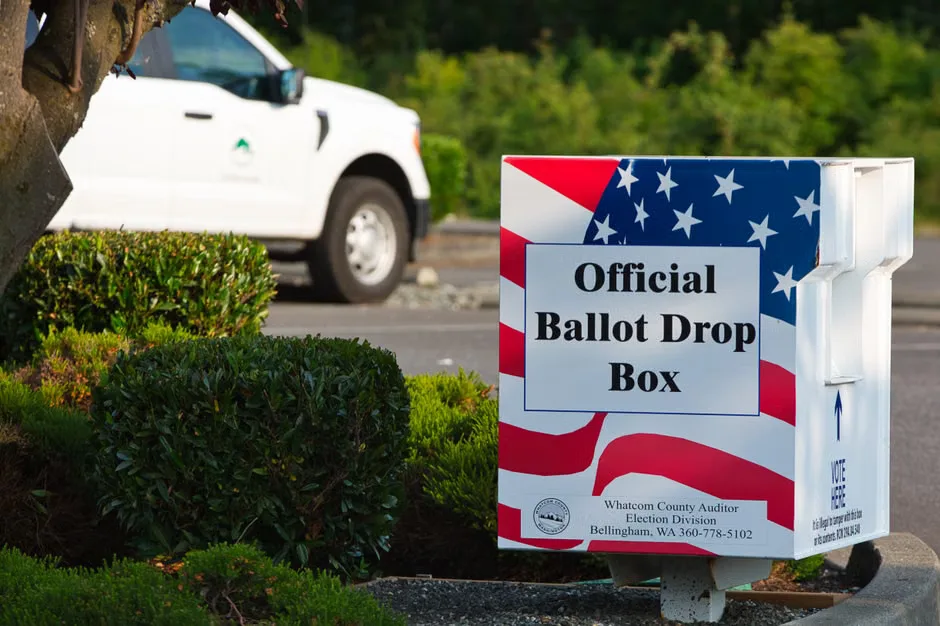
The Maryland State Board of Elections is calling for a prediction markets probe to examine the influence of betting platforms on the electoral process. State officials expressed concerns over how these financial markets may sway public opinion and impact voter turnout.
Prediction markets, where users bet on the outcome of political events, have surged in popularity during recent election cycles. This request for a prediction markets probe comes as trading volumes on platforms like Polymarket have reached billions of dollars during high-stakes political contests (Market Analysis 2024).
The Maryland election chief indicated that the state needs to understand the potential for market manipulation to interfere with the democratic process.
The rise of these platforms creates a feedback loop where market movements are reported as news, potentially creating a perceived inevitability for certain candidates. This psychological effect could discourage voters from participating if they believe the outcome is already decided by financial speculators. When a market heavily favors one candidate, it can shift the narrative from who will win to how much the winner will win by, fundamentally altering the campaign atmosphere.
Regulators are particularly concerned with the lack of transparency regarding who is funding large bets. If foreign actors or special interest groups can move the needle on a prediction market, they could effectively conduct a form of psychological operation on the electorate. This lack of oversight makes it difficult to distinguish between genuine sentiment and coordinated attempts to manipulate public perception through financial leverage, necessitating a prediction markets probe to uncover these patterns.
The Impact of a Prediction Markets Probe
A formal prediction markets probe would likely investigate the intersection of financial speculation and election law. By analyzing the correlation between market shifts and voter behavior, Maryland officials hope to determine if these platforms act as a mirror of public opinion or a driver of it. This distinction is critical for maintaining the sanctity of the ballot box and ensuring that voters are not influenced by artificial market trends.
State officials are expected to coordinate with federal regulators, including the Commodity Futures Trading Commission, to determine if current laws sufficiently cover political betting. The results of the prediction markets probe will likely inform whether the state pursues new restrictions or requirements for platforms to disclose large-scale traders during active election windows.
Prediction markets have historically been used for everything from weather forecasting to corporate mergers, but their application to national politics remains a contentious legal gray area in the United States. While proponents argue that markets are more accurate than traditional polling because they involve financial risk, critics argue they prioritize the views of wealthy speculators over the general population.
Key questions
- Why is Maryland seeking a probe into prediction markets?
- The state wants to determine if financial betting platforms are manipulating voter perception or undermining election integrity. Officials are concerned that market trends could create a false sense of inevitability regarding election outcomes.
- How do prediction markets differ from traditional political polling?
- While polls measure stated intent through surveys, prediction markets measure what people are willing to risk money on. This is often viewed as a more accurate reflection of sentiment because it involves financial stakes.