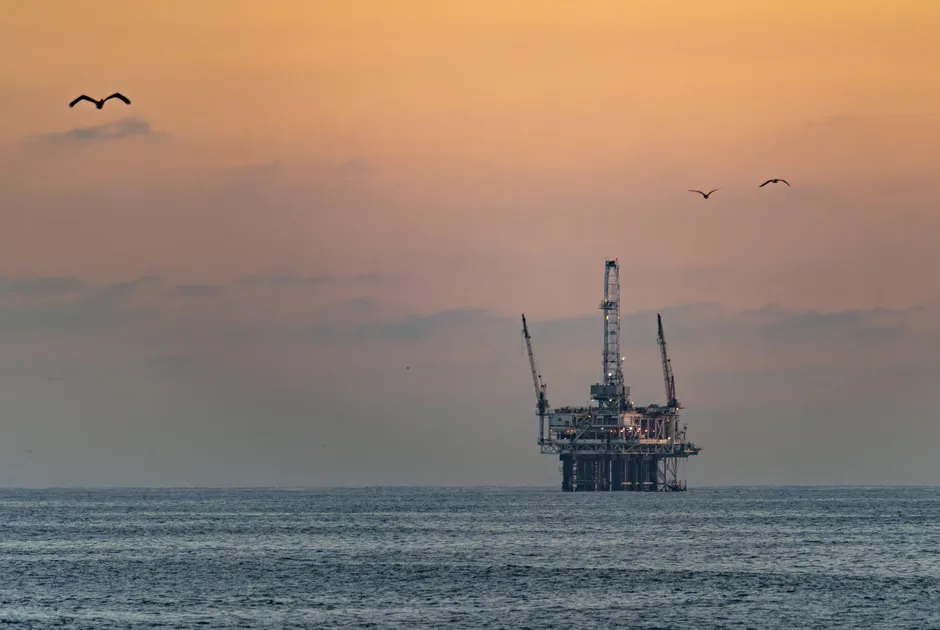
Oil prices climbed above $100 per barrel this week as Houthi rebels intensified attacks in the Red Sea. This escalation marks a critical turning point in the ongoing Iran conflict, threatening global trade routes and energy security.
The Red Sea serves as a vital artery for global commerce, connecting Asia to Europe via the Suez Canal. Recent disruptions have forced shipping companies to reroute vessels around the Cape of Good Hope, adding thousands of miles to journeys. According to the International Energy Agency, these disruptions threaten the stability of global supply chains and increase the cost of transporting crude.
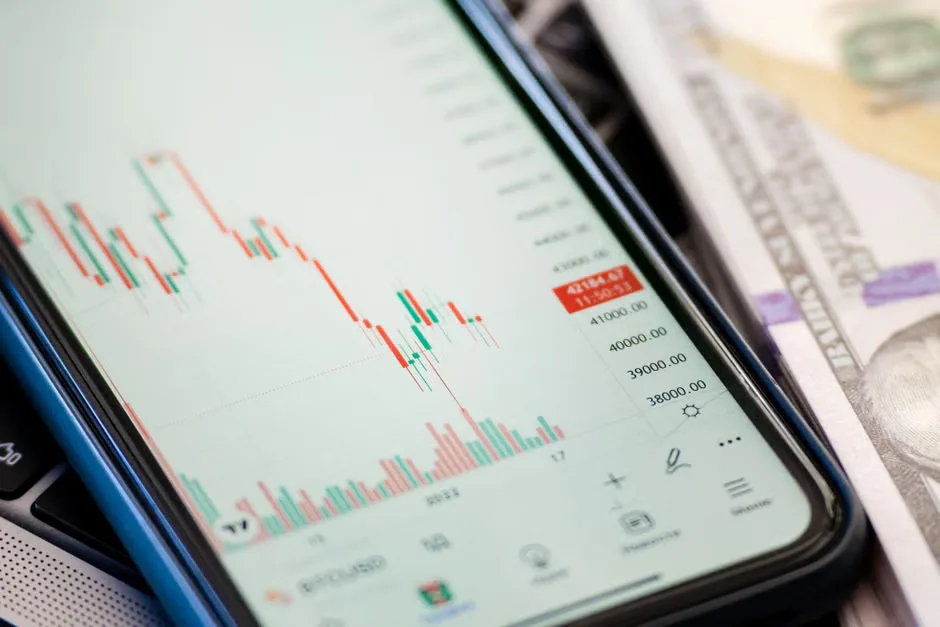
Financial observers note that the shortsighted stock market can no longer brush off the war, stating that it is too hard to ignore $100 oil in the current economic climate.
The surge reflects a significant risk premium being baked into crude costs. Investors are no longer viewing the Red Sea attacks as isolated incidents but as a strategic tool used by Iran to exert pressure on Western interests. The fear is that if the Houthi rebels successfully blockade the region, the resulting supply shock would be catastrophic for developed economies already struggling with inflation.
Simultaneously, political instability in Washington complicates the strategic response. The United States Congress remains deeply divided over votes regarding the Iran conflict, reflecting a broader domestic struggle over foreign intervention. This legislative deadlock limits the executive branch's ability to project a unified front, potentially emboldening regional actors to push the boundaries of the conflict.
Market participants are now closely monitoring the potential for a coordinated international naval task force to secure the Red Sea. If security cannot be guaranteed, the energy market may enter a period of prolonged volatility. The next few weeks will determine whether diplomatic channels or military deterrents will be the primary tool for stabilizing the region.
The relationship between Middle Eastern stability and energy costs has historically been a primary driver of global economic cycles. Because a substantial portion of the world's oil passes through the Strait of Hormuz and the Red Sea, any localized conflict quickly translates into global economic pressure. This interdependence ensures that the Iran conflict remains a central concern for central banks and treasury departments worldwide.
The Impact of Rising Oil Prices on Global Trade
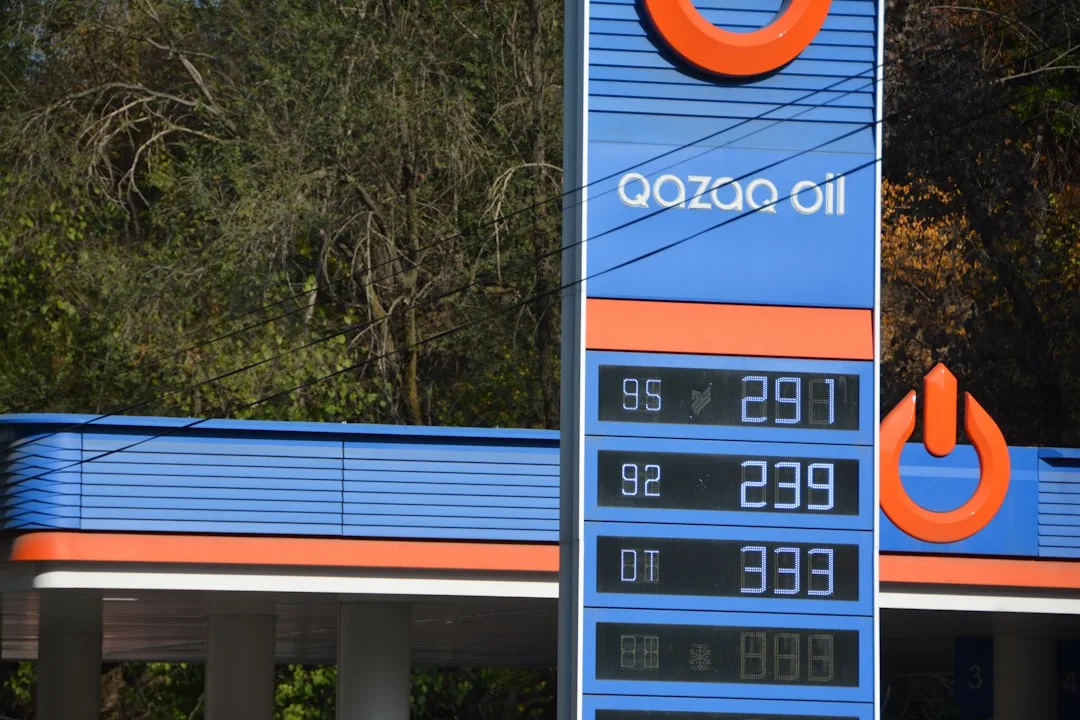
The ripple effects of $100 oil extend far beyond the gas pump. Increased shipping costs lead to higher prices for consumer goods, as freight rates climb to cover the extra fuel and insurance premiums required for longer routes. This creates a feedback loop where energy costs drive inflation, which in turn prompts higher interest rates, slowing overall economic growth.
Furthermore, the geopolitical dimension of the Houthi attacks suggests a shift in how proxy wars are fought. By targeting the choke points of global trade, Iran and its allies can inflict maximum economic damage with minimal direct military engagement. This asymmetric strategy forces global powers to choose between costly military interventions or accepting higher energy costs.
Key questions
- Why are oil prices rising due to the Red Sea attacks?
- Oil prices are increasing because Houthi attacks are disrupting critical shipping lanes, forcing tankers to take longer, more expensive routes. This creates a supply risk premium as markets fear a wider escalation of the Iran conflict.
- How does the Iran conflict affect global energy markets?
- Iran's influence over regional proxies like the Houthi rebels allows it to threaten key maritime choke points. Any instability in this region typically leads to higher crude oil costs due to the high volume of oil transported through these waters.