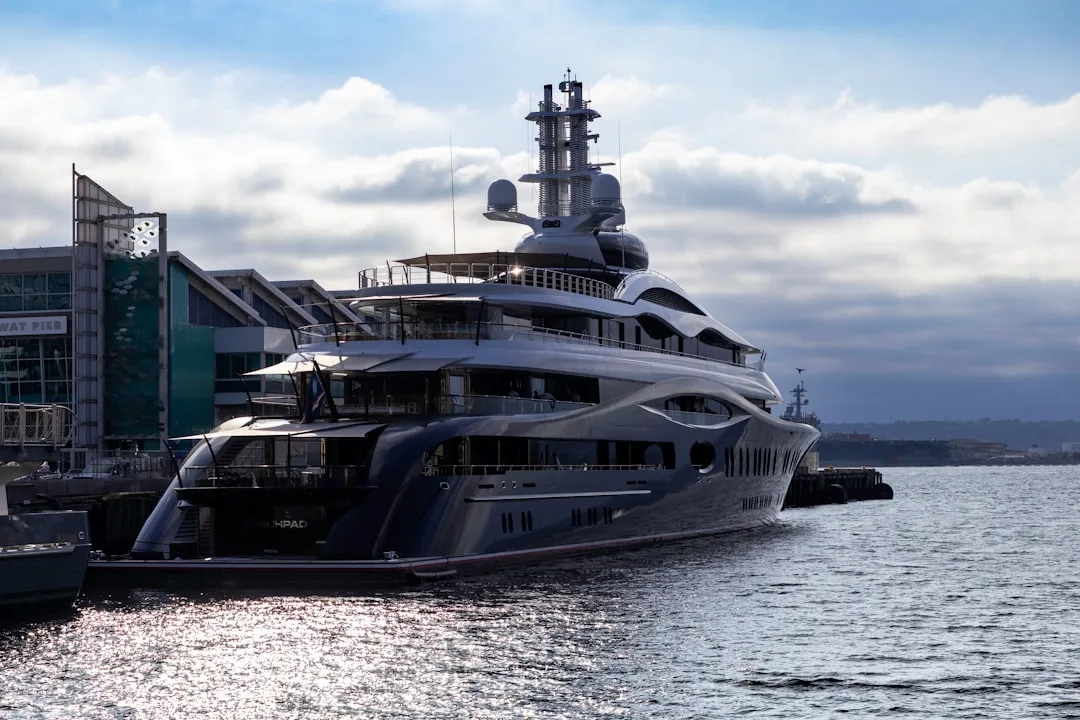
Mark Zuckerberg superyacht operations are facing public scrutiny following reports that a luxury vessel declined to assist a stranded boat in Southeast Alaska. A family cruise ship eventually performed the midnight rescue of the skiff and its crew in the frigid waters of the region.
The incident occurred in the remote waters of the Alaska Panhandle, where maritime conditions can shift rapidly and dangerously. According to the U.S. Coast Guard, thousands of search and rescue cases are handled annually in Alaskan waters due to extreme weather and remote geography (USCG).
A representative for the Meta CEO stated that Zuckerberg was not on the yacht when the nearby ship required assistance.
The situation highlights a growing tension between the extreme privacy sought by ultra-high-net-worth individuals and the traditional maritime duty to assist. While luxury yachts often operate with strict security protocols and private crews, the optics of a nearby vessel ignoring a distress call create significant public relations challenges. The contrast between the inaction of a private luxury vessel and the immediate response of a commercial cruise ship filled with ordinary passengers has sparked a debate on corporate and individual responsibility.
This event occurs amidst broader public discussions regarding the social responsibilities of the world's wealthiest figures. The reported refusal to aid a stranded crew in dangerous, cold-water environments serves as a focal point for critics of the billionaire class. The incident suggests a disconnect between the capabilities of these high-end vessels—which often possess advanced communication and rescue gear—and their willingness to engage in emergency operations.
Legal experts are now examining whether the vessel's inaction violated international maritime laws. Under the International Convention for the Safety of Life at Sea (SOLAS), masters of ships are generally obligated to render assistance to those in distress at sea if it can be done without serious danger to their own ship or crew. Whether the Mark Zuckerberg superyacht met these legal thresholds remains a point of contention.
Superyachts are typically equipped with state-of-the-art navigation and rescue equipment, making them theoretically ideal for emergency response in remote regions. These vessels often carry high-capacity tenders and medical supplies that could prove critical in the first hour of a maritime emergency.
The Mark Zuckerberg Superyacht Controversy
The controversy has expanded to include questions about whether multiple luxury vessels associated with the Meta founder were present during the incident. Reports suggest that the stranded skiff was left in a precarious position until the cruise ship intervened. This event underscores the critical role that commercial shipping and cruise lines play in the safety net of remote coastal waters, often filling the gap when private entities prioritize seclusion over community assistance.
Key questions
- Why is Mark Zuckerberg's yacht being criticized?
- The vessel reportedly declined to help a stranded boat in Southeast Alaska, forcing a commercial cruise ship to perform the rescue.
- Was Mark Zuckerberg on the boat during the incident?
- A representative for the Meta CEO stated that Zuckerberg was not on the yacht when the assistance was needed.