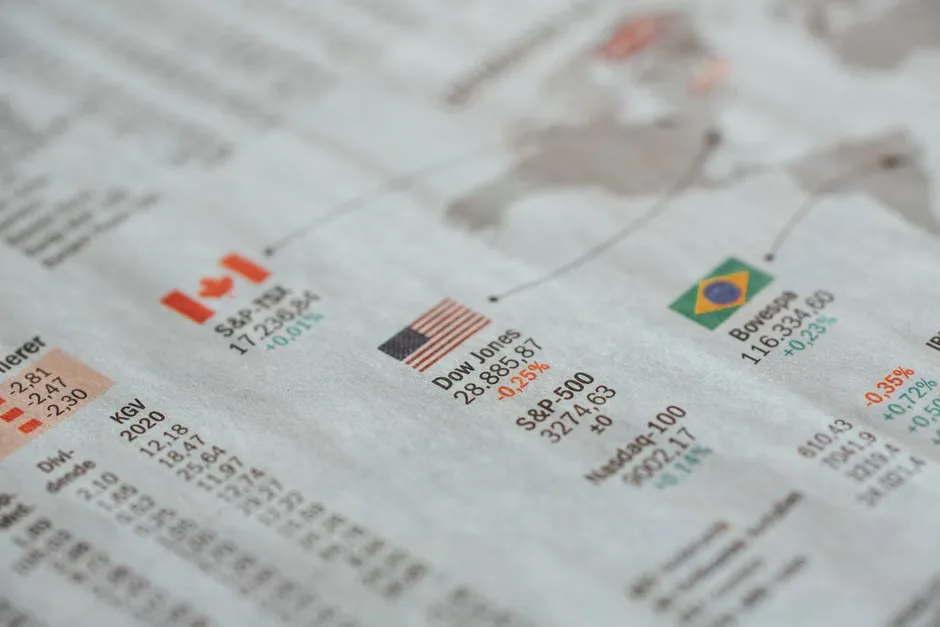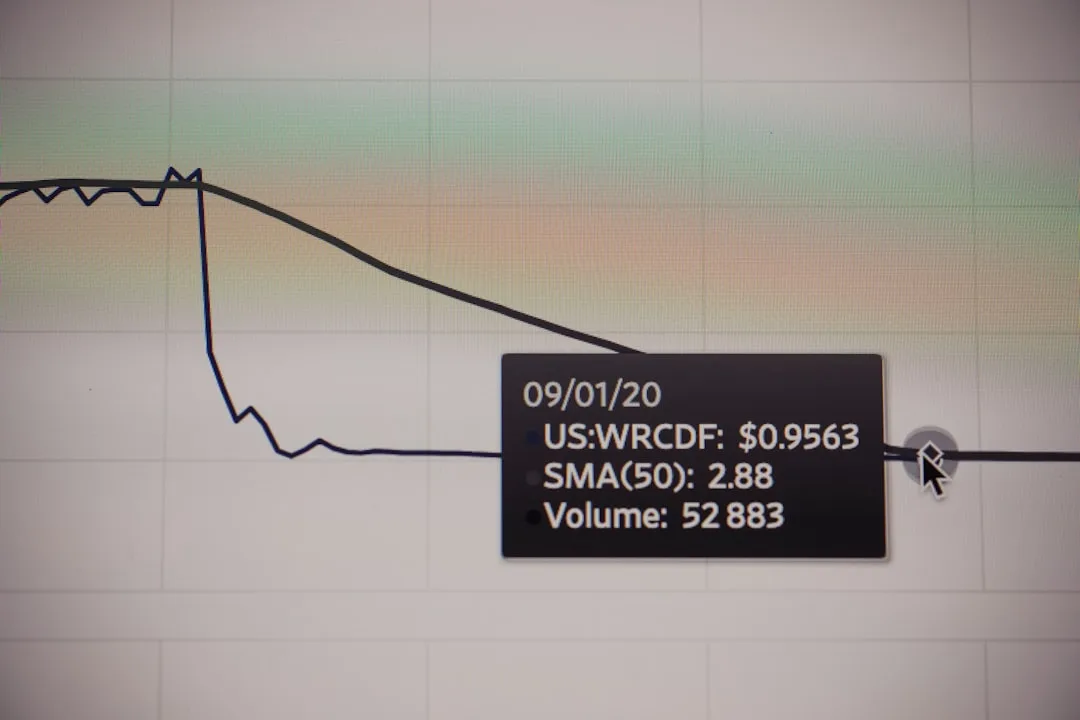
Kevin Warsh Fed Chair is triggering widespread anxiety among institutional investors as he adopts a strategy of strategic silence regarding future monetary policy. This unconventional approach has left S&P 500 traders bracing for significant price swings in the coming weeks.
The Federal Reserve has historically utilized forward guidance to signal its intentions, thereby reducing market shocks and providing a roadmap for corporate planning. However, current internal tensions are high, with several Fed officials warning that the failure to raise interest rates previously was a critical mistake. This internal divide is exacerbated by the fact that inflation continues to challenge the central bank's long-term targets, creating a volatile environment for global equities (CNN).
Financial observers have pointed out that while the Fed's actual policy moves have mirrored Wall Street's predictions, the personal communication style of Kevin Warsh has left the market feeling vexed and uncertain.
This pivot toward opacity suggests a desire to decouple the Federal Reserve's decision-making process from the immediate reactions of the stock market. By refusing to telegraph his thinking, the chair may be attempting to prevent the market from pricing in moves too early. In theory, this allows the Fed to act decisively without being held hostage by market expectations, but in practice, it often creates a vacuum of information.
The lack of a clear narrative often leads to increased hedging and erratic trading patterns among high-frequency traders and institutional funds. For the S&P 500, which thrives on predictability and clear trends, the silent treatment creates a volatility premium. When investors cannot gauge the trajectory of borrowing costs, they are more likely to engage in panic selling or speculative buying based on rumors rather than data.
Furthermore, the pressure from officials who voted for rate hikes adds a layer of unpredictability to the current regime. If the chair is balancing these hawkish internal views with a public silence, the eventual policy announcement could be more aggressive than the market currently anticipates. This discrepancy between the silent public face and the hawkish internal reality could lead to a sharp market correction if a sudden rate hike is announced without warning.
Market participants are now scrutinizing every official statement, meeting minute, and economic indicator for hints of a policy shift. The upcoming quarterly review will be critical in determining if the chair will maintain this secretive posture or pivot toward a more traditional communication framework to soothe investor nerves.
The Federal Reserve operates as the primary authority for U.S. monetary policy, balancing the dual mandate of price stability and maximum sustainable employment. Through the manipulation of interest rates and open market operations, the Fed influences the global cost of capital. Historically, the transition between Fed chairs has often signaled a shift in communication style, moving from the cryptic nature of Alan Greenspan to the more transparent approach of Jerome Powell.