
Nasdaq futures declined in early trading as renewed concerns over artificial intelligence valuations weighed on technology stocks, according to premarket data. The drop came amid ongoing earnings reports from major corporations, with investors reassessing growth expectations for AI-driven companies.
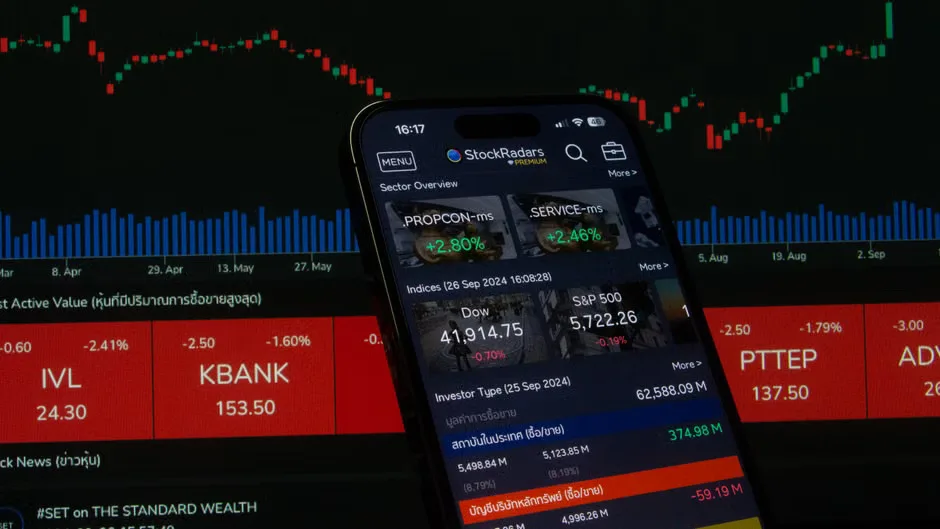
Meanwhile, Dow Jones Industrial Average and S&P 500 futures showed modest gains, reflecting a divergence in market sentiment as investors balanced AI jitters against optimism surrounding potential diplomatic progress in the Middle East. Chip stocks, including those tied to semiconductor manufacturing, experienced additional pressure following disappointing results from key players.
Investors are recalibrating their expectations for AI-related growth as valuation concerns resurface, said Lisa Chen, senior market strategist at Global Equity Insights. While long-term potential remains strong, near-term profitability questions are prompting caution in high-growth tech segments.
The mixed performance highlights a broadening market rotation, with capital shifting from speculative technology names to more established industrial and consumer-oriented sectors. Analysts note that this divergence could persist until clearer guidance emerges from upcoming Federal Reserve commentary and quarterly reports.
Market participants are also monitoring developments in international diplomacy, particularly any breakthroughs in Middle East negotiations that could reduce geopolitical risk premiums. Such developments have historically provided tailwinds for broader equity indices, even as sector-specific pressures linger.
Historically, periods of AI-related volatility have coincided with broader market digestion of innovation cycles, similar to patterns seen during the early 2000s telecom boom and subsequent correction. These phases often precede renewed investment once profitability pathways become clearer.
Technology Valuation Reset Amid Earnings Pressure
The current pullback in Nasdaq-linked futures reflects a wider reassessment of technology valuations that have expanded rapidly over the past 18 months. Price-to-earnings ratios for many AI-focused firms remain elevated relative to historical averages, prompting scrutiny as interest rates stay higher for longer.
This environment favors companies with clear monetization paths for AI investments over those relying on future growth promises. As earnings season advances, the market is likely to reward demonstrated execution while continuing to pressure stocks with lofty expectations and limited near-term catalysts.
Looking ahead, traders will focus on upcoming semiconductor earnings reports and any updates on international diplomatic efforts that could influence risk appetite. Volatility in tech-heavy indices may persist until there is greater clarity on both corporate profitability and macroeconomic stability.
Key questions
- Why are Nasdaq futures slipping amid AI anxiety?
- Nasdaq futures are declining due to renewed concerns over inflated valuations in artificial intelligence-related companies, as investors reassess growth prospects and profitability timelines amid ongoing earnings reports and higher interest rate expectations.
- How are Dow and S&P 500 futures performing despite Nasdaq weakness?
- Dow Jones Industrial Average and S&P 500 futures are showing modest gains as investors shift toward more stable, dividend-paying sectors and express cautious optimism about potential diplomatic developments in the Middle East reducing geopolitical risks.