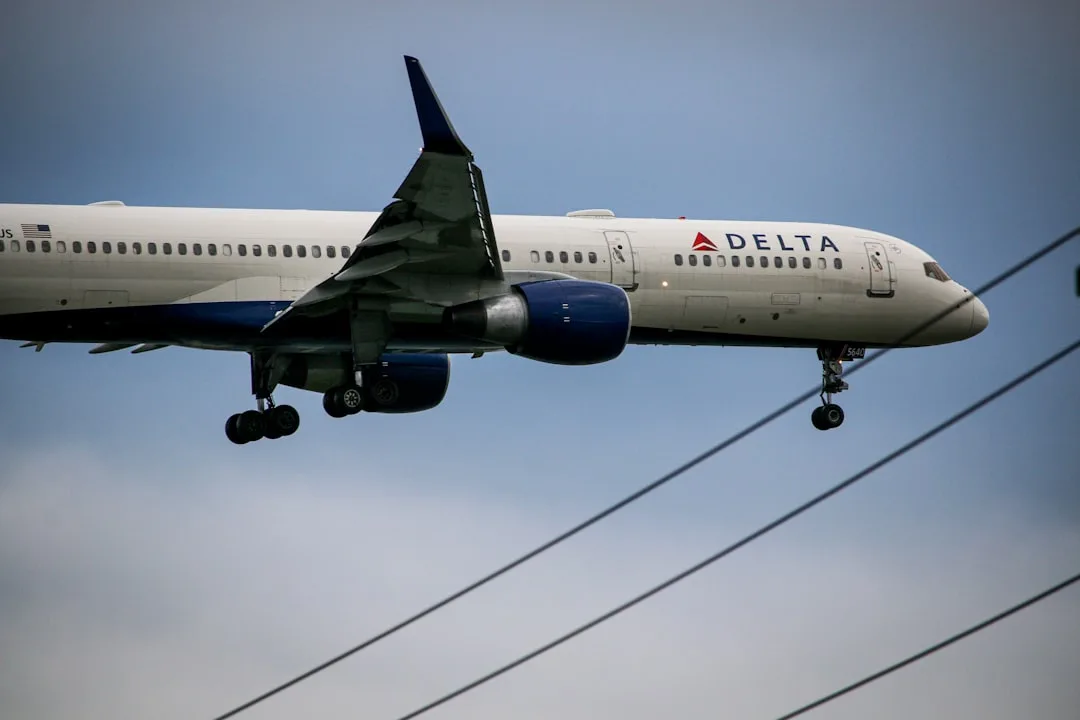
Delta Air Lines is investigating after a passenger allegedly created a fake Wi-Fi network during a flight, prompting the crew to disable the aircraft's legitimate internet service for about 30 minutes. The incident occurred on a recent Delta flight, though the airline did not disclose the flight number, route, or date. According to a Delta spokesperson, the crew took action after detecting the unauthorized network, which could have posed a security risk to passengers and aircraft systems.
The spokesperson emphasized that the decision to shut down the legitimate Wi-Fi was made as a precautionary measure to prevent potential interference or malicious activity. During the outage, passengers were unable to access the internet, stream content, or use messaging apps that rely on the aircraft’s connectivity. Delta confirmed that no personal data was compromised and that the aircraft’s flight systems remained unaffected by the incident.
We take the security and integrity of our onboard networks seriously, said the Delta spokesperson. When we detected an unauthorized Wi-Fi network being broadcast, we followed standard security protocols by disabling the legitimate service to isolate and assess the situation.
Cybersecurity experts note that fake Wi-Fi networks, often called evil twin hotspots, are a known threat in aviation and public spaces. These networks mimic legitimate services to trick users into connecting, potentially allowing attackers to intercept sensitive data such as login credentials or financial information. While such incidents are rare on flights due to altitude and signal limitations, they remain a concern for airlines focused on passenger safety and data protection.
Delta has not released details about how the fake network was created or whether any individual has been identified or charged. The airline said it is working with relevant authorities to investigate the origin of the signal and determine if any violation of federal aviation or cybersecurity laws occurred. The aircraft involved has since returned to service after standard security checks.
Cybersecurity in the Skies
As airlines continue to expand in-flight connectivity, securing onboard networks has become a growing priority. Unlike ground-based Wi-Fi, aircraft networks face unique challenges, including limited bandwidth, satellite dependencies, and the need to protect avionics systems from interference. Airlines typically employ encryption, network monitoring, and firewalls to safeguard their systems, but passenger-generated signals can still pose risks if not properly managed.
Industry analysts suggest that incidents like this may lead to enhanced monitoring tools and stricter policies regarding personal hotspot use during flights. Some airlines already prohibit the use of personal Wi-Fi hotspots onboard, and Delta’s response may reinforce similar precautions across the industry. The event underscores the importance of passenger awareness about connecting only to verified, airline-provided networks when flying.
Key questions
- What is a fake Wi-Fi network or 'evil twin' attack?
- A fake Wi-Fi network, also known as an 'evil twin,' is a malicious hotspot that mimics a legitimate Wi-Fi service to trick users into connecting. Once connected, attackers can intercept data, steal login credentials, or distribute malware. These attacks are a known cybersecurity risk in public spaces, including airports and aircraft.
- Did Delta confirm any data breach or compromise of flight systems during the incident?
- Delta confirmed that no personal data was compromised and that the aircraft’s flight systems remained unaffected. The crew disabled the legitimate Wi-Fi as a precautionary measure to isolate the unauthorized network and prevent potential interference or malicious activity.