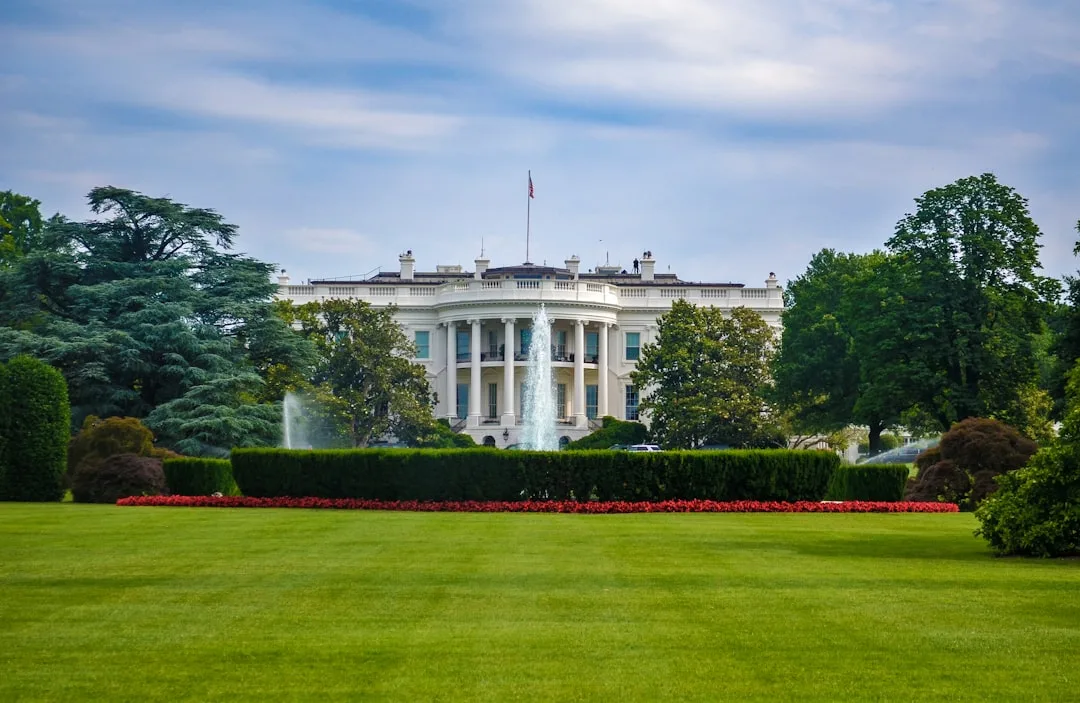
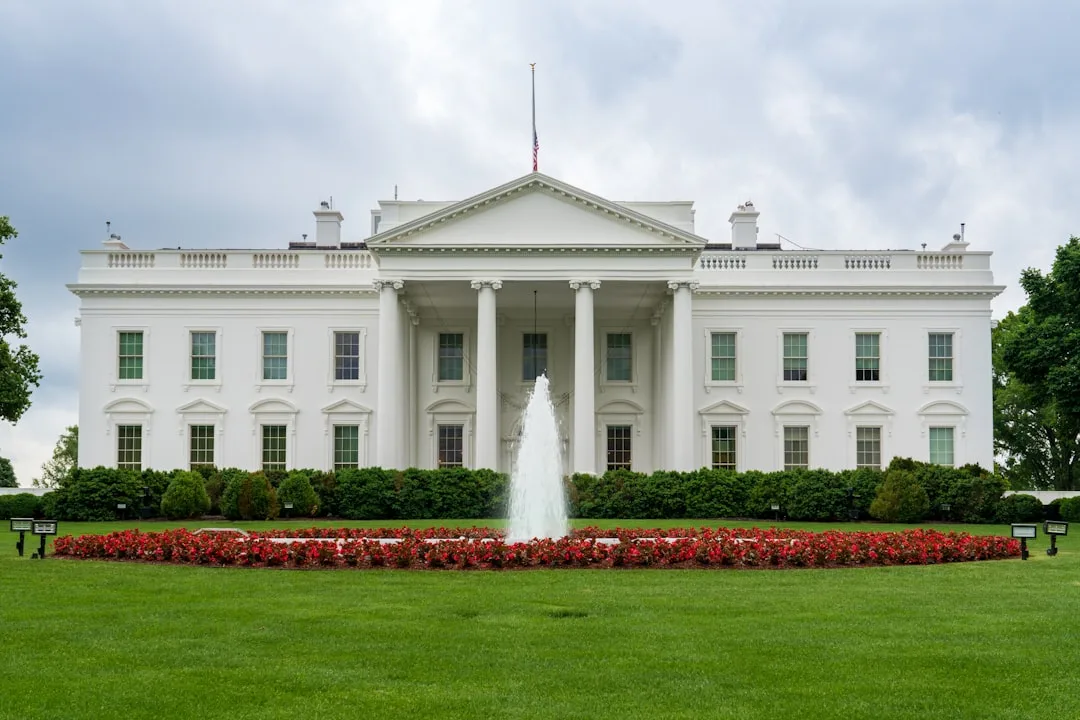
A federal appeals court has blocked the proposed construction of a new ballroom at the White House, ruling that only Congress possesses the authority to authorize such major renovations to the executive mansion. The decision, issued by the U.S. Court of Appeals for the D.C. Circuit, stems from a lawsuit challenging the project’s compliance with federal law and separation of powers principles.
The court emphasized that the White House, as a symbol of the presidency and a property under federal stewardship, cannot undergo substantial structural changes without explicit legislative sanction. Citing historical precedent and the Antideficiency Act, the judges noted that no appropriation or authorization from Congress had been secured for the ballroom project, rendering it unlawful.
The President lacks unilateral power to alter the White House in ways that implicate significant public funds or historical preservation without congressional approval, wrote Judge Patricia Millett in the majority opinion. This is not a matter of interior decoration but of constitutional governance.
The ruling reinforces longstanding norms that treat the White House as a national asset subject to oversight, not a private residence for unilateral executive action. Legal experts say the decision could set a precedent for future challenges to executive-led renovations or expansions at federal properties.
Supporters of the ballroom project, which had been framed as a venue for diplomatic events and state functions, expressed disappointment but indicated they may seek congressional authorization moving forward. Critics welcomed the decision as a necessary check on executive overreach.
Looking ahead, the Biden administration would need to pursue formal legislation through Congress to revive the ballroom proposal. Any future attempt would require budgetary approval, environmental review, and compliance with the National Historic Preservation Act, given the White House’s status as a National Historic Landmark.
This case underscores the enduring principle that even symbolic upgrades to the seat of executive power must conform to constitutional processes. As one constitutional scholar noted, The White House belongs to the American people, and its evolution must reflect collective consent, not unilateral decree.
Congressional Authority Over White House Renovations
The decision highlights a rarely tested but critical aspect of presidential power: while the President manages the White House, major alterations fall under Congress’s purview due to its control over federal spending and property. This balance ensures that changes to the nation’s most symbolic building reflect democratic accountability rather than executive prerogative.
Key questions
- Why did the appeals court block the White House ballroom project?
- The court ruled that only Congress has the authority to authorize major renovations to the White House, and no such approval had been obtained for the ballroom project, making it unlawful under separation of powers and federal spending laws.
- Can the White House ballroom project move forward in the future?
- Yes, but only if Congress passes legislation authorizing the project and allocates funding. The administration would need to seek formal approval through the legislative process before any construction could resume.