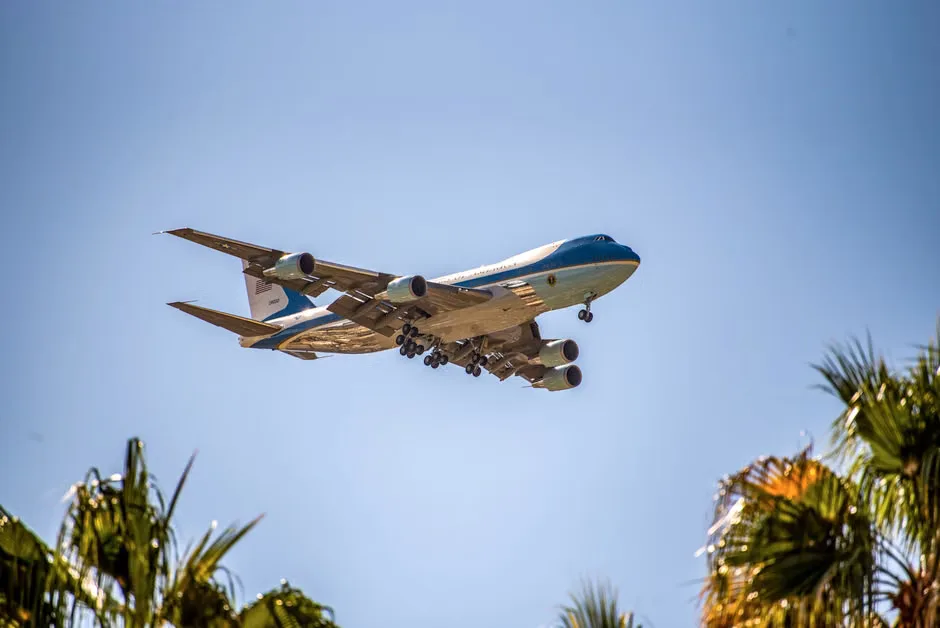
An Air Force One swap occurred during a recent NATO summit in Turkey to ensure the safety of Donald Trump. Security officials implemented the change after receiving intelligence regarding potential threats from Iranian proxy forces targeting the presidential aircraft.
The incident highlights the escalating tensions between the United States and Tehran. Recent intelligence reports suggest that Iranian-backed groups have increased their surveillance of high-profile diplomatic gatherings, with some reports indicating a 20% rise in regional threat activity (U.S. Intelligence Community).
Security officials stated that the decision to switch planes was a precautionary measure designed to disrupt the planning of any hostile actors.
This tactical shift demonstrates the agility of the U.S. Secret Service in responding to real-time intelligence. By altering the expected flight patterns and aircraft, the administration effectively neutralized the specific threat vector.
The reliance on proxy forces allows Iran to maintain plausible deniability while exerting pressure on U.S. diplomatic efforts. This pattern of asymmetric warfare complicates the security logistics for every presidential overseas visit.
The Logistics of the Air Force One swap
Executing an Air Force One swap is a complex logistical operation that requires seamless coordination between the U.S. Air Force and the host nation. In this instance, the transition happened in Turkey, where NATO allies were gathering to discuss regional stability. The swap involved moving the president to a secondary secure aircraft to confuse adversaries who may have been tracking the primary plane's movements.
The decision was not merely about the physical aircraft but about the predictability of the presidential itinerary. When intelligence suggests that a specific asset is being targeted, the most effective defense is unpredictability. By changing the aircraft, the security detail forced any potential attackers to restart their intelligence gathering, effectively buying time and increasing the safety margin for the president.
Furthermore, the incident underscores the volatility of the Middle East and the risks associated with high-level diplomacy in the region. The presence of Iranian proxy forces in proximity to NATO operations suggests a willingness by Tehran to challenge Western security protocols on a global stage.
The Department of Defense is expected to review security protocols for future summits in volatile regions. This may lead to increased coordination with host nations to secure airspace more aggressively and a more frequent rotation of aircraft during high-risk deployments.
Air Force One is not a single plane but a call sign for any U.S. Air Force aircraft carrying the president. The current fleet consists of two highly modified Boeing 747-200B aircraft designed to withstand electronic warfare and nuclear blasts, making them some of the most secure mobile command centers in existence.
Key questions
- Why was the Air Force One swap necessary?
- The swap was ordered after intelligence revealed threats from Iranian proxy forces. Changing the aircraft was a tactical move to ensure the president's safety by introducing unpredictability.
- What is the significance of the NATO summit location?
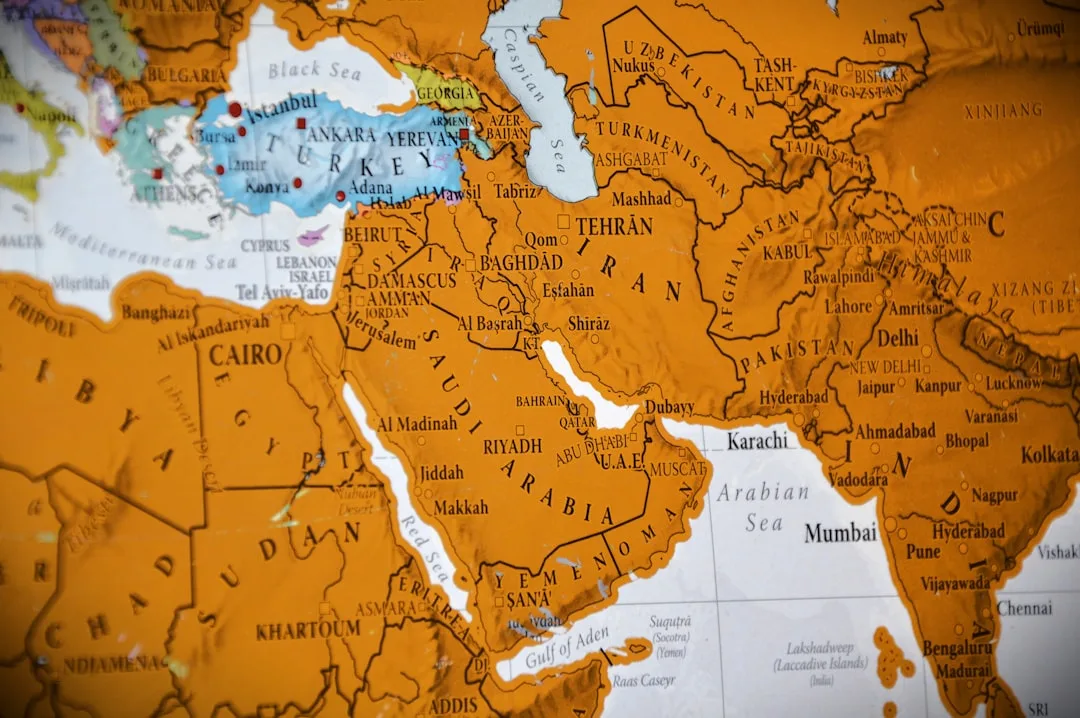
- The summit took place in Turkey, a strategic location where Western and Middle Eastern interests intersect. This proximity increased the risk of interference from regional actors like Iran.