Fresh uncertainty around the Strait of Hormuz is accelerating a regional push to redesign how cargo and energy move through the Gulf, with the UAE and Saudi Arabia investing in routes that can avoid the chokepoint altogether.
The latest urgency follows renewed attention on a reported proposal by President Donald Trump to impose tolls tied to passage through Hormuz, a waterway that has long been one of the world’s most strategically important shipping lanes. Even without an immediate policy change, the debate has underscored a broader concern among exporters, port operators and energy producers: heavy reliance on a narrow corridor vulnerable to political tension, security incidents and supply disruptions.
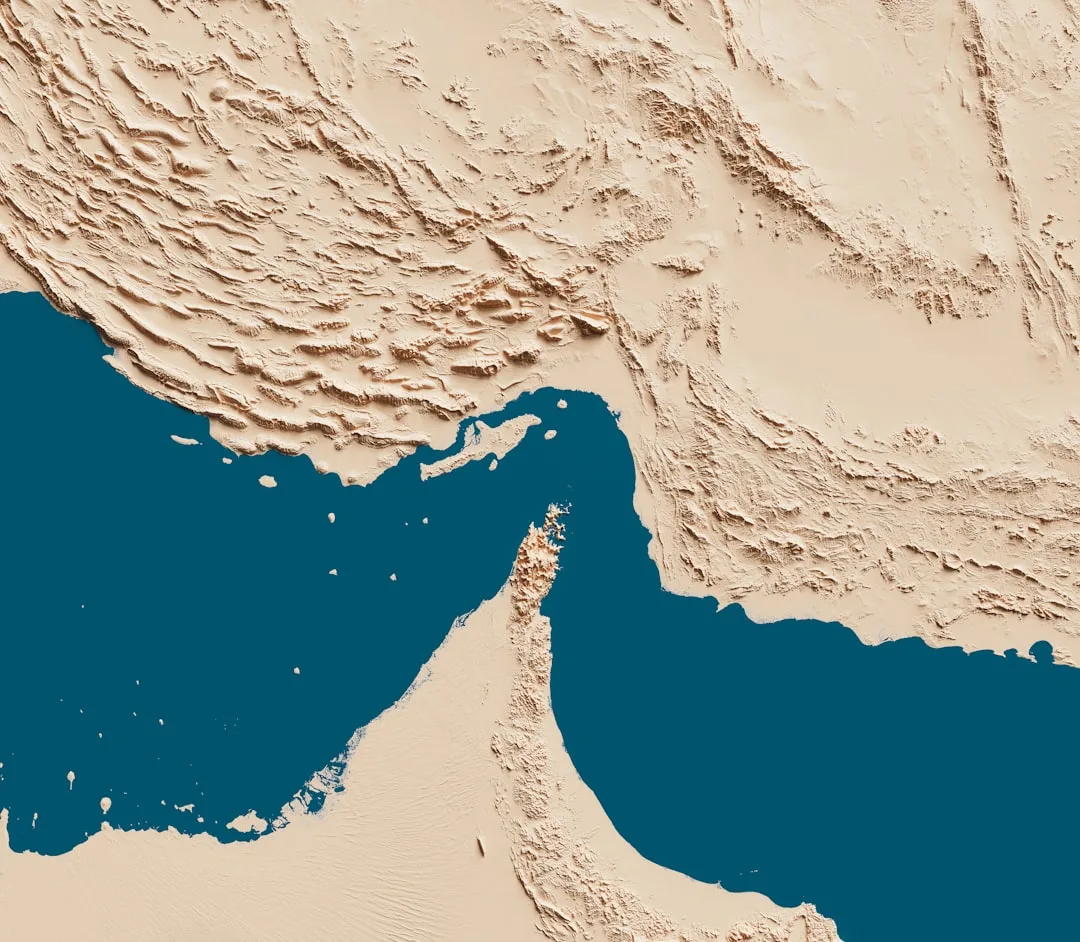
The Strait of Hormuz links the Persian Gulf to the Gulf of Oman and the Arabian Sea. A significant share of global oil shipments and a large volume of container traffic pass through it, making any uncertainty there a concern not only for Gulf states but also for global energy markets, insurers, shipping companies and manufacturers.
Infrastructure strategy moves to the forefront
Recent reports indicate that DP World is planning an east coast port in the UAE, a move aimed at creating additional logistics capacity outside Hormuz. Other reports have pointed to broader UAE ambitions to expand ports and oil storage hubs along the Gulf of Oman, giving exporters alternatives if traffic through the strait is delayed or restricted.
Saudi Arabia has also spent years building out infrastructure that can reduce exposure to Hormuz-related risk, including pipeline networks and Red Sea export options. Together, those investments reflect a long-running strategy in the Gulf: diversify transport geography so that a single maritime bottleneck cannot dictate the pace of trade.
For technology and logistics operators, that means increasing use of digital route planning, cargo-tracking systems, predictive shipping analytics and automated port management tools. Modern ports are no longer just physical assets. They are software-driven trade platforms that help carriers adapt quickly to delays, reroute shipments and manage costs when geopolitical risk rises.
Why markets are watching closely
Questions such as “Is Hormuz open?” tend to surge whenever regional tensions increase, because even limited disruption can lift shipping rates, raise insurance premiums and ripple through fuel and goods prices worldwide. For Gulf economies including the UAE, especially major trade centers such as Dubai, uninterrupted access to global markets is central to growth.
Analysts say bypass projects are unlikely to replace the strategic importance of Hormuz in the near term. The strait remains deeply embedded in global trade flows, and alternative routes can be costly and time-consuming to build. Still, each new port, storage terminal and pipeline adds flexibility.
The result is a gradual but important shift: Gulf states are not waiting for a full-scale crisis before investing in resilience. Instead, they are using periods of uncertainty to accelerate infrastructure and technology projects designed to keep exports moving, protect supply chains and reassure global customers that trade can continue even if Hormuz becomes more contested.
Key questions
- Why is the Strait of Hormuz so important?
- The strait is a critical maritime passage connecting the Persian Gulf with the Gulf of Oman and the Arabian Sea. A large share of global oil exports and regional cargo traffic moves through it, so disruption can affect energy prices, shipping costs and supply chains worldwide.
- How are Gulf countries trying to bypass Hormuz?
- The UAE and Saudi Arabia are expanding ports, storage hubs and transport links outside the strait, including on the Gulf of Oman and through pipeline and Red Sea export routes. These projects are intended to reduce dependence on a single chokepoint during periods of geopolitical tension.