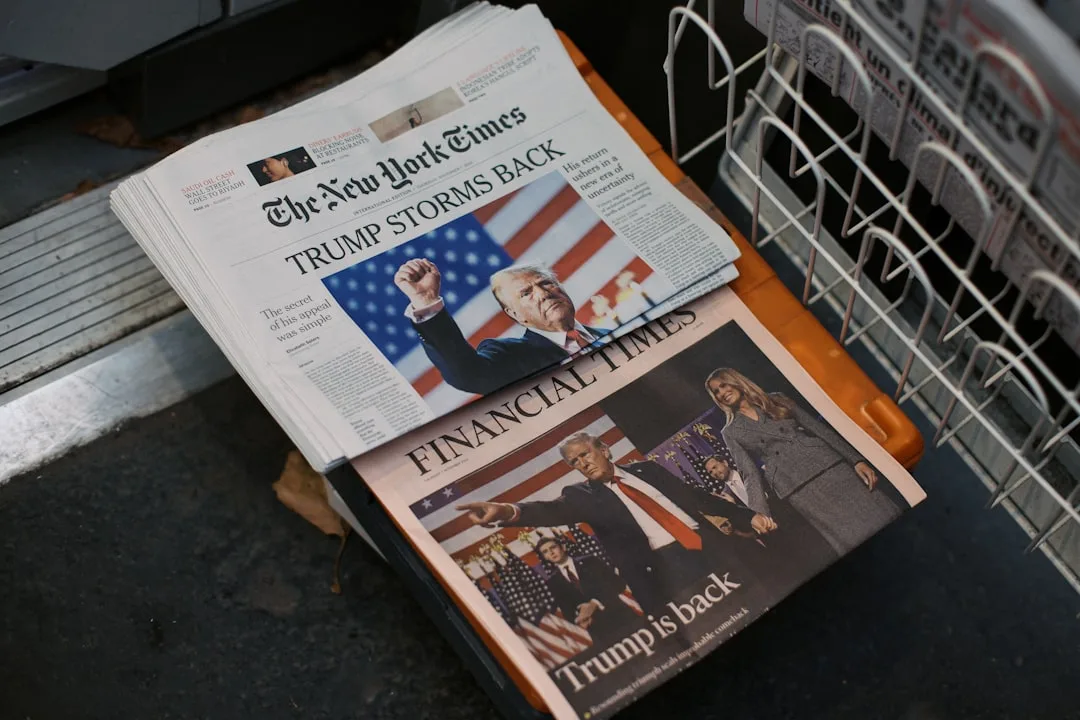
The Trump administration has issued subpoenas to New York Times journalists after they reported on alleged security issues involving a new presidential aircraft described as a gift from Qatar, according to the BBC.
The legal summonses were sent after the reporters published coverage examining concerns about the plane, which has been associated with the Air Force One fleet used to transport the president. The specific scope of the subpoenas, including what documents or testimony the administration is seeking, was not immediately clear from the initial report.
The case places renewed attention on the uneasy relationship between the White House and news organizations that investigate matters involving national security, presidential operations and foreign governments. Subpoenas directed at journalists can trigger legal fights over press protections, confidential sourcing and the public’s right to information.
Reporting focused on alleged security concerns
The New York Times reporting at the center of the dispute concerned alleged security vulnerabilities connected to the president’s new plane. The aircraft was reportedly gifted by Qatar, a U.S. ally in the Gulf that maintains close diplomatic and defense ties with Washington.
Presidential aircraft are subject to extraordinary security requirements. Air Force One is not a single plane but the call sign for any U.S. Air Force aircraft carrying the president. Planes used for that role are typically outfitted with advanced communications equipment, defensive systems and extensive safeguards intended to protect the president and senior officials during travel.
Any suggestion of foreign involvement in the acquisition or preparation of a presidential aircraft is likely to draw scrutiny from Congress, security specialists and government watchdogs. Such concerns may involve questions about vetting, modifications, access to sensitive systems and whether foreign gifts could create diplomatic or ethical complications.
The administration has not publicly detailed the basis for the subpoenas in the BBC account. It was also not immediately clear whether the summonses were issued as part of a leak investigation, a civil dispute or another legal proceeding.
Press freedom questions
News organizations and press freedom advocates have long argued that subpoenas targeting reporters should be used only in narrow circumstances, particularly when reporting involves matters of public interest. Journalists frequently rely on confidential sources to report on government decision-making, security concerns and possible misconduct.
Federal guidelines governing the use of legal process against journalists have shifted over time, often in response to controversies involving leak investigations and efforts to obtain reporters’ communications. Media lawyers typically argue that forcing reporters to disclose information can chill whistleblowers and make it harder to uncover problems within government.
The Trump administration has repeatedly clashed with major media outlets, including The New York Times, over coverage of the presidency, foreign policy and national security matters. The latest subpoenas are likely to deepen that conflict while raising broader questions about transparency surrounding the aircraft and the government’s response to scrutiny.
For now, the central issues remain unresolved: what the administration is seeking from the journalists, how The New York Times will respond and whether a court will be asked to weigh press protections against the government’s stated legal interests.
Key questions
- Why were New York Times journalists subpoenaed?
- They received legal summonses after reporting on alleged security issues involving a new presidential aircraft described as a gift from Qatar.
- What is the main press freedom concern?
- Subpoenas directed at journalists can raise concerns about confidential sources, government transparency and the ability of news organizations to report on matters of public interest.