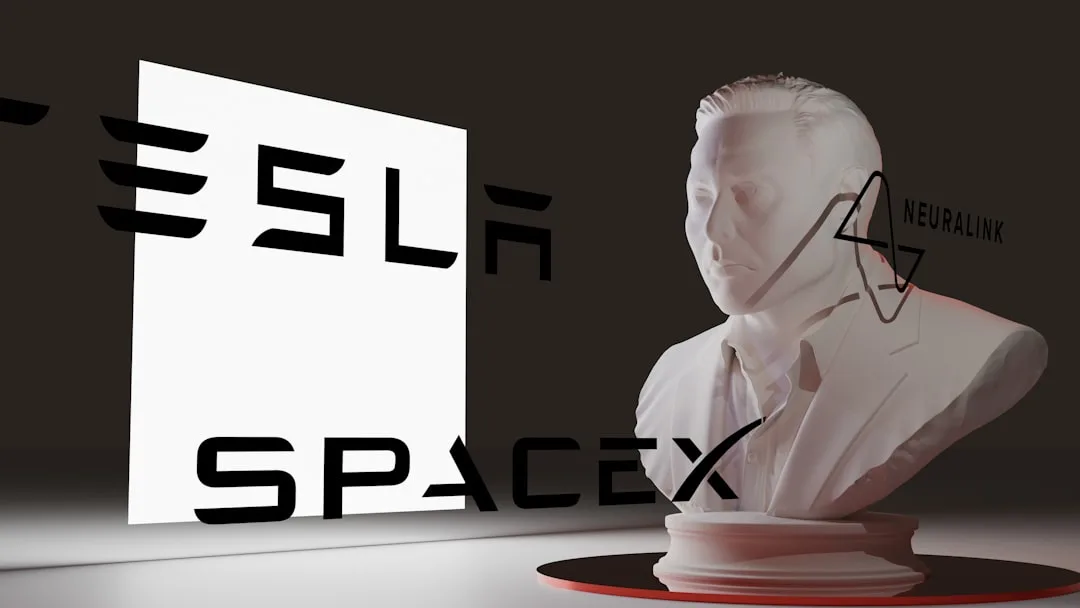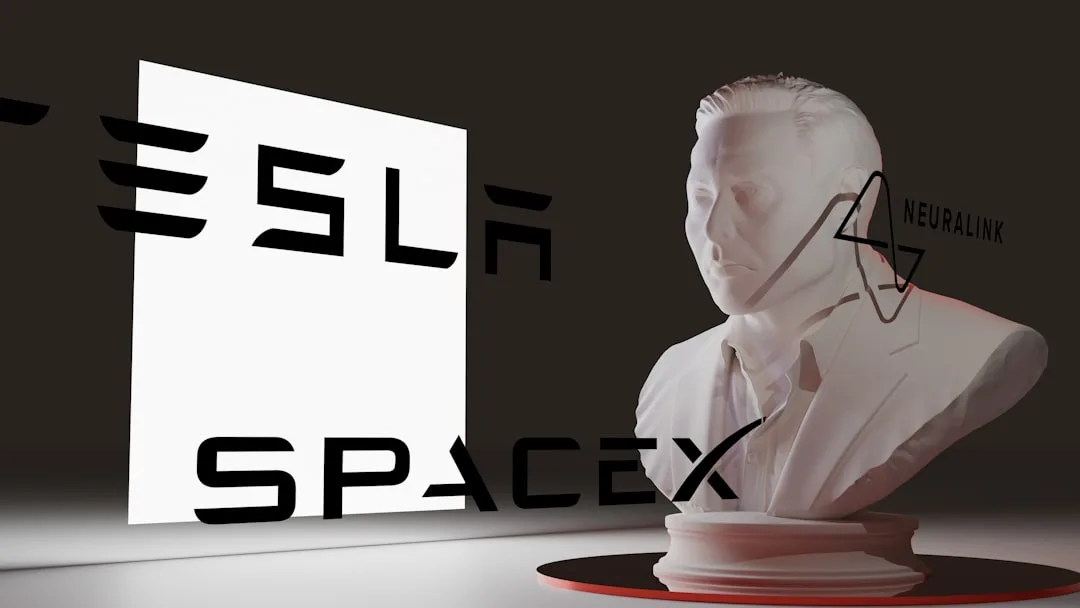
A potential Tesla SpaceX merger has sparked intense market speculation, though Elon Musk has moved to dampen reports of a corporate union. The rumors suggest a strategic realignment of Musk's most prominent ventures to consolidate resources and leadership.
The speculation follows reports that Tesla Inc. might divest its operations in China to remove regulatory hurdles. Market analysts note that Tesla's valuation remains highly sensitive to geopolitical tensions, with China accounting for a significant portion of its global revenue (Reuters).
Elon Musk has dismissed claims regarding the potential sale of Tesla's China business, signaling that the reports do not reflect current corporate strategy.
The prospect of a Tesla SpaceX merger could streamline engineering synergies, particularly in materials science and autonomous systems, but would likely trigger intense antitrust scrutiny in multiple jurisdictions. The integration of SpaceX's satellite capabilities with Tesla's connectivity needs could provide a competitive edge in the global autonomous driving race.
The China angle is particularly volatile, as the Chinese government maintains strict oversight of foreign technology firms. Selling the China business could be a prerequisite for a merger to avoid conflict of interest or national security concerns, but it would sacrifice a critical growth market. Analysts suggest that such a divestiture would be a high-risk gamble given the current state of the global EV market.
The Implications of a Tesla SpaceX Merger
From a financial perspective, combining a public entity like Tesla with a private powerhouse like SpaceX would create complex valuation challenges. Investors would need to weigh the stability of automotive sales against the high-growth, high-risk nature of interplanetary exploration. This consolidation could potentially shield SpaceX from some public market volatility while providing Tesla with a diversified revenue stream from government contracts.
Furthermore, the operational overlap in AI and robotics could accelerate the development of the Optimus humanoid robot. By leveraging SpaceX's precision engineering and Tesla's neural networks, the combined entity could dominate the robotics sector. However, the management bandwidth of Elon Musk remains a primary concern for shareholders who worry about his divided attention across multiple companies.
Investors will likely monitor upcoming quarterly earnings calls for further clarity on corporate structure. Any formal move toward a Tesla SpaceX merger would require approval from SpaceX's private investors and Tesla's public shareholders, making a swift transition unlikely.
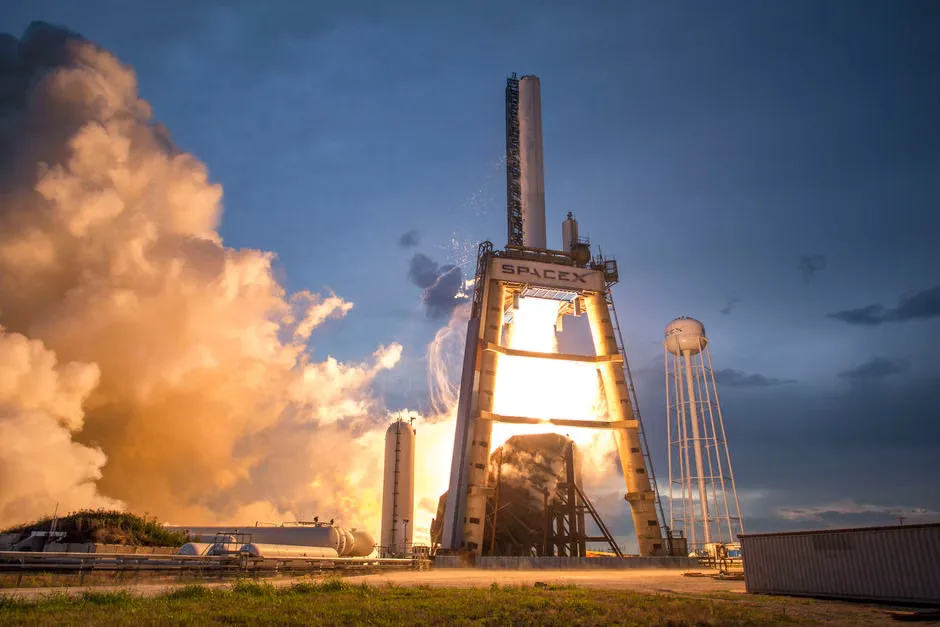
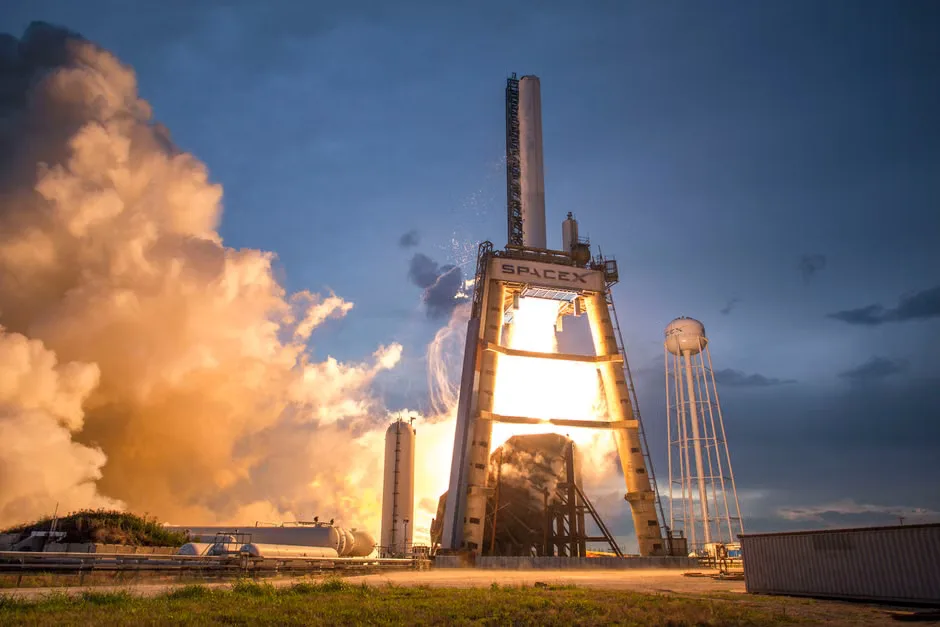
Tesla remains the world's most valuable automaker, focusing on AI and robotics, while SpaceX dominates the commercial launch market with its Starship program. Both companies continue to push the boundaries of transportation, whether on Earth or in orbit, maintaining a symbiotic relationship through shared talent and vision.
Key questions
- Why is a Tesla SpaceX merger being discussed?
- Speculation suggests that combining the two companies could create synergies in AI and engineering. Reports also indicate a possible sale of Tesla's China assets to facilitate the deal.
- Has Elon Musk confirmed the merger?
- No, Elon Musk has dismissed reports regarding the sale of Tesla's China business and has worked to cool down the merger speculation.