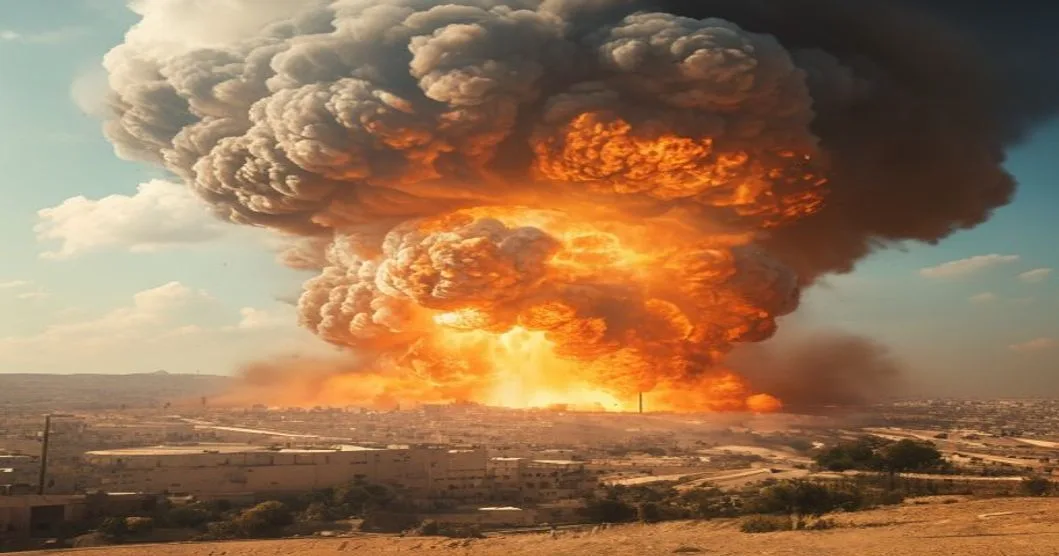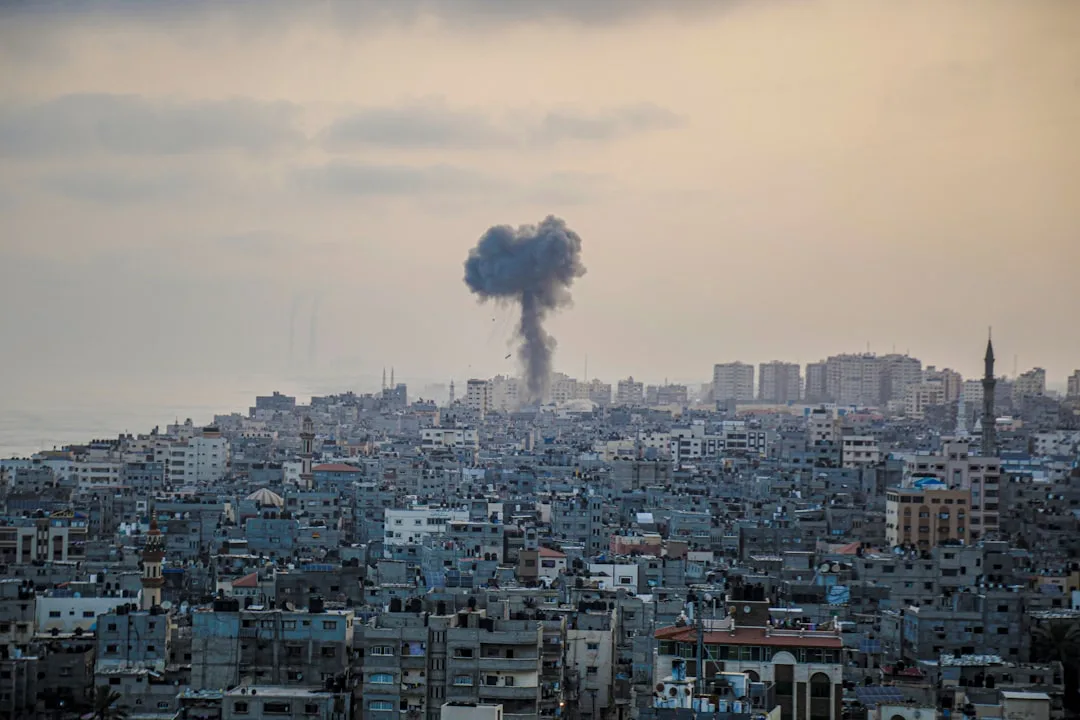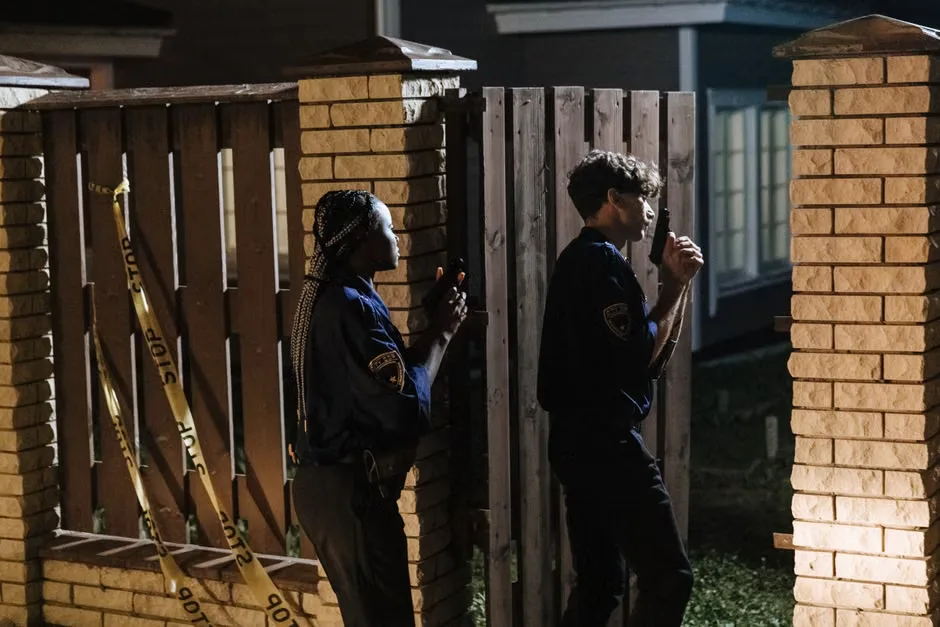
Syrian authorities said they arrested a cell accused of carrying out what they described as terrorist bombings in Damascus, after explosions shook the capital Tuesday during a visit by French President Emmanuel Macron.
The announcement, reported by Al Jazeera, came amid heightened security in the city as officials sought to contain the fallout from the blasts. Syrian authorities did not immediately release a full public accounting of the alleged suspects, the number of people detained or the evidence they say links the group to the explosions.
The blasts occurred while Macron was in Damascus, adding diplomatic sensitivity to an already tense security incident. It was not immediately clear whether the explosions were connected to the French president’s visit, and Syrian officials did not publicly establish a direct link.
No detailed casualty toll was immediately available from the initial reports. The location and scale of the explosions were also not fully specified, though the incident was serious enough to prompt a public statement from Syrian authorities that a suspected cell had been apprehended.
Security focus in the capital
Damascus has been a focal point of Syrian political and security life throughout the country’s long conflict. Although the front lines of Syria’s war have shifted repeatedly over the years, attacks in the capital have carried symbolic weight because of the city’s role as the seat of government and foreign diplomacy.
Syrian officials have often used the term terrorist to describe armed groups accused of attacks against state targets, security forces or civilians. Independent verification of such claims can be difficult in Syria, where access for international journalists and monitors is limited and official statements frequently form the basis of early reporting.
The timing of Tuesday’s explosions drew additional attention because of Macron’s presence. Foreign visits to Damascus are typically conducted under heavy security, and any blast during such a trip raises questions about planning, intelligence and the ability of authorities to secure key routes and sites.
French officials did not immediately provide a detailed public account of whether Macron’s schedule was altered or whether members of his delegation were affected. There was no immediate indication from the initial report that the French president was injured.
Questions remain after arrests
The Syrian government’s claim that a cell was arrested could mark the beginning of a wider investigation, but key questions remain unanswered. Authorities have not yet said whether the alleged group was acting alone, whether it had outside support or how quickly investigators identified its members after the blasts.
It was also unclear whether the arrests were made before or after the explosions, or whether additional suspects were being sought. In similar cases, Syrian security agencies have announced arrests while providing limited information about interrogation findings, court proceedings or the legal status of detainees.
The incident underscores the fragile security environment in Syria, where years of war have left overlapping networks of armed actors, intelligence services and foreign interests. Even in areas under government control, sporadic attacks and security raids have continued to shape daily life and diplomatic activity.
Further details are expected from Syrian authorities as the investigation proceeds. Until more information is released, the scope of the alleged plot, the identities of those arrested and the motivation behind the bombings remain uncertain.
Key questions
- What did Syrian authorities say happened in Damascus?
- Syrian authorities said they arrested a cell accused of carrying out bombings in Damascus after explosions shook the capital.
- Was Emmanuel Macron affected by the Damascus explosions?
- The explosions occurred while French President Emmanuel Macron was visiting Damascus, but initial reports did not indicate that he was injured.