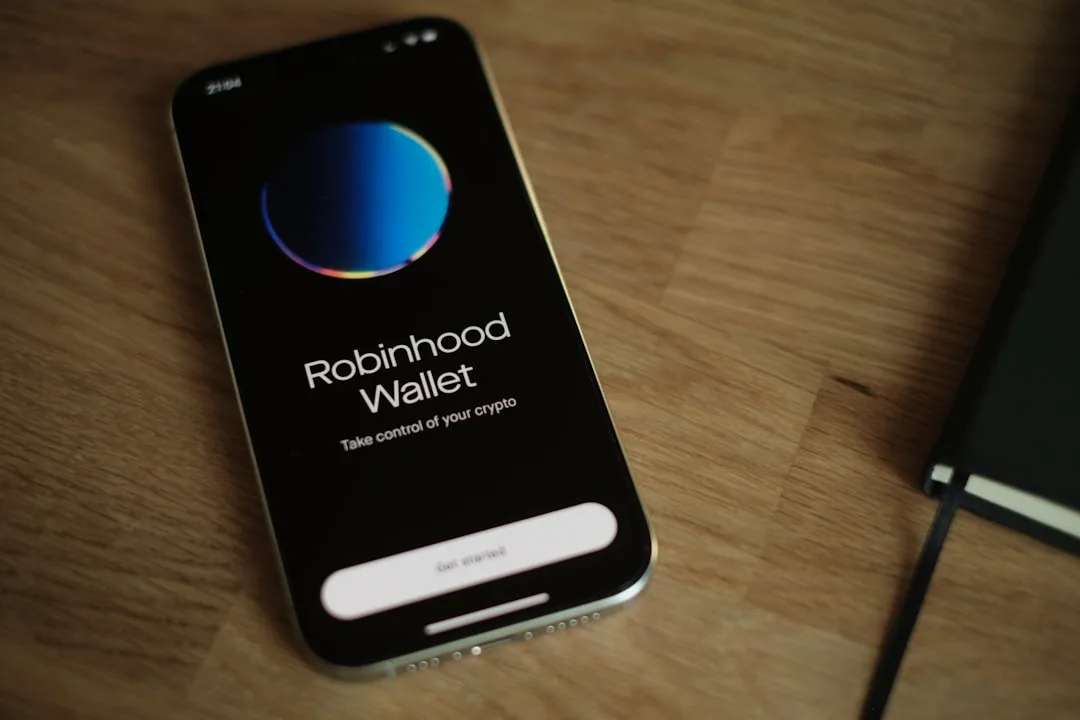
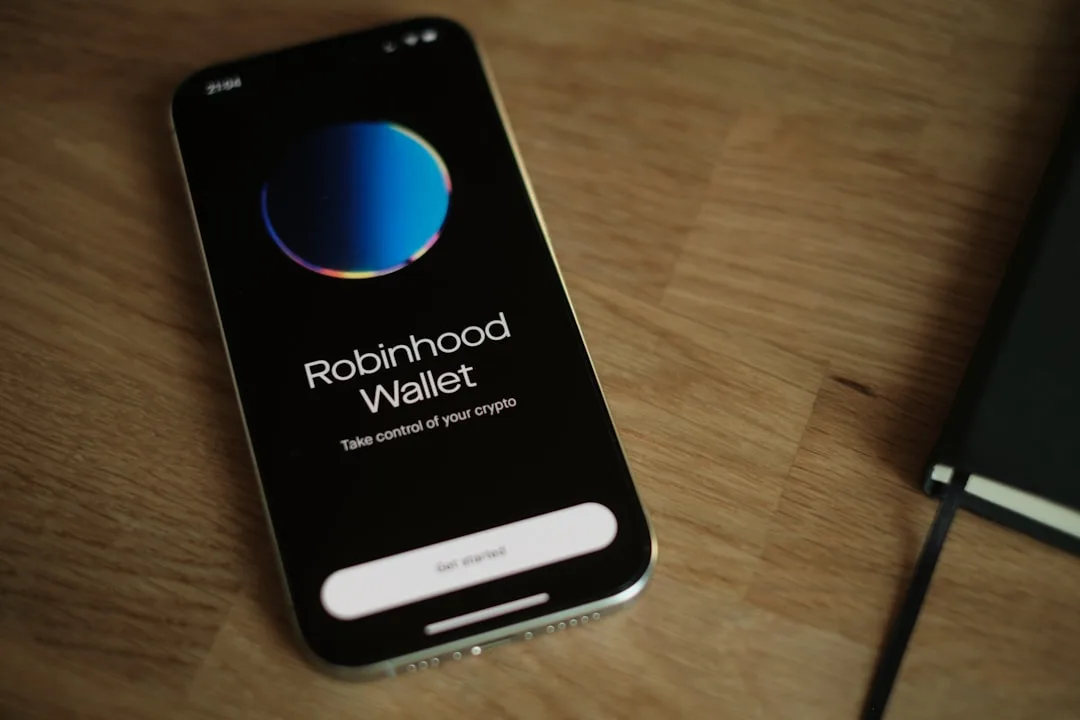
Robinhood Chain, a blockchain introduced to support tokenized stocks, is quickly becoming a hub for a very different kind of trading activity. Since July 1, the network has attracted about $135 million in value and around 800,000 addresses, according to figures cited by CoinDesk. But instead of being dominated by tokenized equity products, much of the early momentum has come from memecoins.
The development highlights a familiar pattern in crypto markets: infrastructure built for one use case often gains traction first through speculation. In Robinhood Chain’s case, the technology was positioned around bringing stock-like assets onto blockchain rails, a concept that has drawn interest across financial markets as firms explore faster settlement, broader access and programmable ownership.
So far, however, user behavior appears to be following crypto’s more established playbook. Memecoins, which are typically driven by internet culture, social media momentum and rapid trading activity, have become a major source of attention on the network. That trend suggests traders may be more interested in short-term opportunities than in the longer-term promise of tokenized equities.
The imbalance between Robinhood Chain’s intended purpose and its actual use underscores the challenge facing platforms trying to merge traditional finance with crypto infrastructure. Tokenized stocks remain a closely watched idea, but adoption has been uneven across the industry. Questions around regulation, market structure, investor protections and product availability have all slowed broader rollout, even as interest in blockchain-based financial assets continues to grow.
By contrast, speculative tokens often move quickly onto new networks because they require less coordination with traditional financial systems and can spread rapidly through online communities. That dynamic can create an immediate burst of users, liquidity and visibility, even if it does little to advance the original business case for the chain itself.
Early traction, different audience
For Robinhood, the early figures still point to meaningful engagement. A blockchain pulling in nine-figure value and hundreds of thousands of addresses in a matter of weeks shows there is demand for new on-chain venues, particularly when tied to a well-known retail brand. The key question is whether that attention can eventually be redirected toward tokenized stocks and other financial products the platform was designed to support.
That transition may depend on how quickly Robinhood can expand its asset offerings, clarify the network’s role and persuade users that tokenized equities provide benefits beyond conventional brokerage access. Until then, the chain’s early identity may be shaped less by stock tokenization and more by the speculative energy that has historically fueled crypto adoption.
In the near term, Robinhood Chain’s launch offers both a sign of strong market interest and a reminder of crypto’s unpredictability. The platform may have been built with tokenized stocks in mind, but its first breakout use case appears to be one the industry knows well: memecoin trading.
Key questions
- What is Robinhood Chain?
- Robinhood Chain is a blockchain network associated with Robinhood that was built to support tokenized stocks and other on-chain financial assets.
- Why are memecoins dominating activity on Robinhood Chain?
- Early activity appears to be driven by speculative trading, which tends to spread faster on new crypto networks than more regulated products such as tokenized stocks.