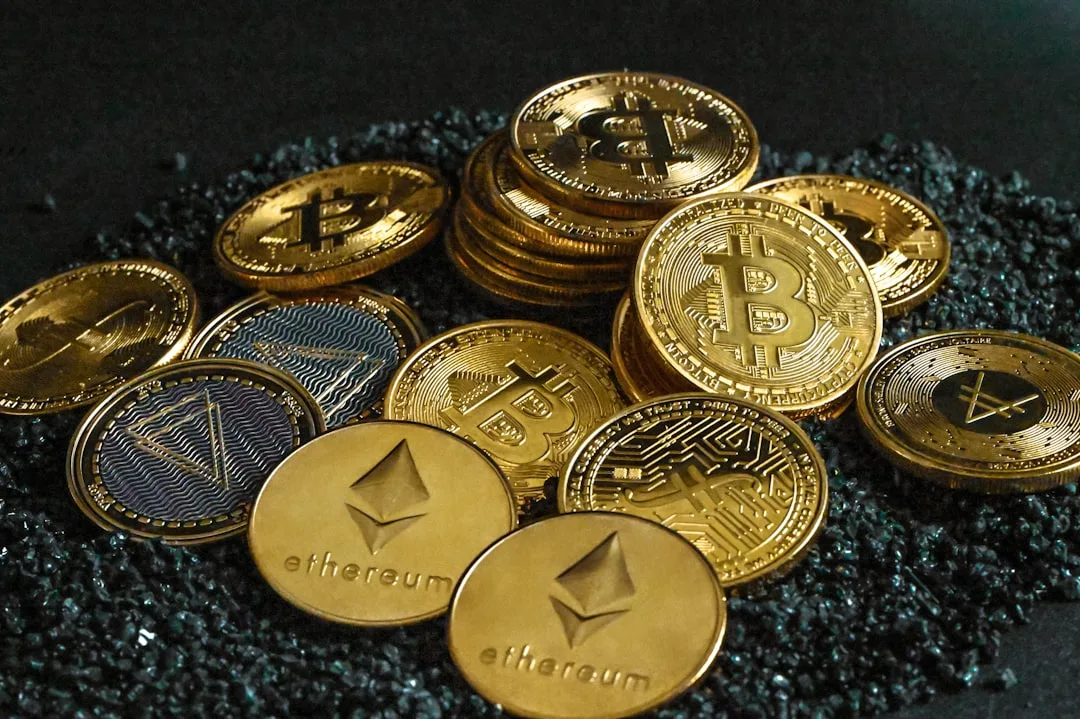
Decentralized finance, commonly called DeFi, is one of the most closely watched parts of the cryptocurrency industry as investors, developers and regulators look toward 2026. The term refers to financial applications built on blockchain networks that allow people to trade, borrow, lend, save or transfer digital assets without relying on a bank, brokerage or other central intermediary.
Instead of a company processing transactions behind closed doors, many DeFi platforms use smart contracts, which are pieces of code that automatically carry out agreed-upon actions when certain conditions are met. These programs typically run on public blockchains such as Ethereum and other networks designed to support decentralized applications.
How DeFi works
In a traditional financial system, a bank may approve a loan, hold deposits or verify a payment. In DeFi, those roles are often handled by software and pooled digital assets. A user might deposit cryptocurrency into a lending protocol, where others can borrow against collateral. Interest rates can move automatically depending on supply and demand.
Decentralized exchanges, another major DeFi category, allow users to swap tokens directly from digital wallets. Rather than matching buyers and sellers through an order book controlled by a company, many of these platforms rely on liquidity pools funded by users who earn fees in return.
Other DeFi services include stablecoin protocols, derivatives platforms, prediction markets, payment tools and yield strategies. The goal is not always to eliminate every institution, but to make financial activity more open, programmable and accessible across borders.
Why supporters say it matters
Supporters argue DeFi can reduce costs, speed up settlement and give users more direct control over their money. Anyone with an internet connection and a compatible crypto wallet can, in theory, access many DeFi tools without submitting the same paperwork required by traditional financial firms.
Transparency is another selling point. Because many transactions and smart contracts are visible on public blockchains, users and researchers can inspect how funds move through a protocol. Developers can also build new applications on top of existing ones, creating a system often described as financial infrastructure made from open-source software.
The risks remain substantial
DeFi also comes with major hazards. Smart contracts can contain bugs, and hackers have repeatedly exploited flaws in code, bridges and wallet systems. Users can lose funds by approving malicious transactions, sending assets to the wrong address or interacting with fraudulent projects.
Market volatility is another concern. Many DeFi loans require crypto collateral, and sharp price declines can trigger automatic liquidations. High advertised yields may disappear quickly or reflect risks that are not obvious to newcomers.
Regulation is still evolving. Authorities in the United States and other countries have examined whether some DeFi services function like exchanges, lenders or securities platforms. Compliance questions around anti-money laundering rules, consumer protection and tax reporting are expected to remain central as the sector matures.
For users considering DeFi in 2026, the basic rule is caution. Understanding the protocol, checking audits, using secure wallets and avoiding investments that seem too good to be true can reduce, but not eliminate, the risks. DeFi may continue to reshape parts of finance, but it remains an experimental corner of the digital asset economy.
Key questions
- What does DeFi mean?
- DeFi stands for decentralized finance. It refers to blockchain-based financial tools that let users trade, lend, borrow or transfer digital assets without traditional intermediaries such as banks or brokerages.
- Is DeFi safe to use?
- DeFi carries significant risk. Smart contract bugs, hacks, scams, market volatility and unclear regulation can lead to losses. Users should research protocols carefully and avoid committing funds they cannot afford to lose.