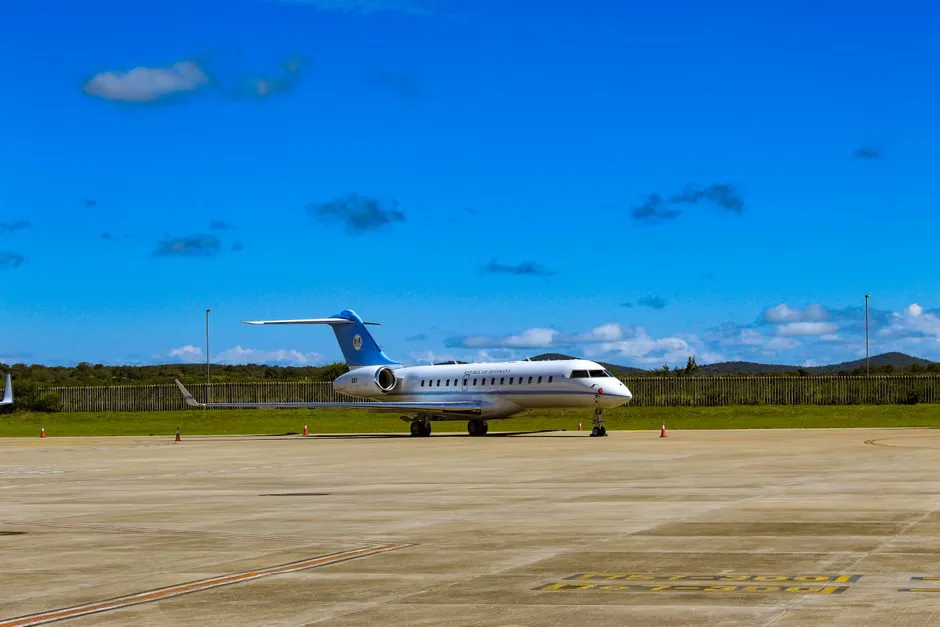
Private jet demand is accelerating as fortunes from SpaceX and AI startups create a new class of high‑net‑worth travelers. In mid‑2026, operators reported a 22% increase in flight hours compared with the previous year, according to industry data.
The global business aviation fleet exceeded 22,000 aircraft in 2025, marking a 7% increase from the prior year (IBAC).
“We are seeing unprecedented interest from tech founders who value time savings and privacy,” said Flexjet CEO Kathleen Shanahan.
The surge stems from liquidity events such as SpaceX’s secondary share sales and a wave of AI startup IPOs that have generated billions in personal wealth. Crypto gains and successful tech exits have further expanded the pool of potential buyers.
Operators are responding by expanding fleets of light‑ and midsize jets, while secondary airports report higher traffic as customers seek convenience over major hubs. Critics warn that the growth could exacerbate noise and emissions concerns, prompting calls for stricter calls for stricter sustainability standards.
sustainability standards.
Private Jet Demand
Looking ahead, industry analysts forecast private jet flight hours to rise another 15% by 2028 if economic conditions remain favorable, though new entrants and fractional ownership models may reshape market dynamics.
Private aviation has long served executives, celebrities, and government officials seeking flexible schedules and access to destinations not served by commercial airlines.